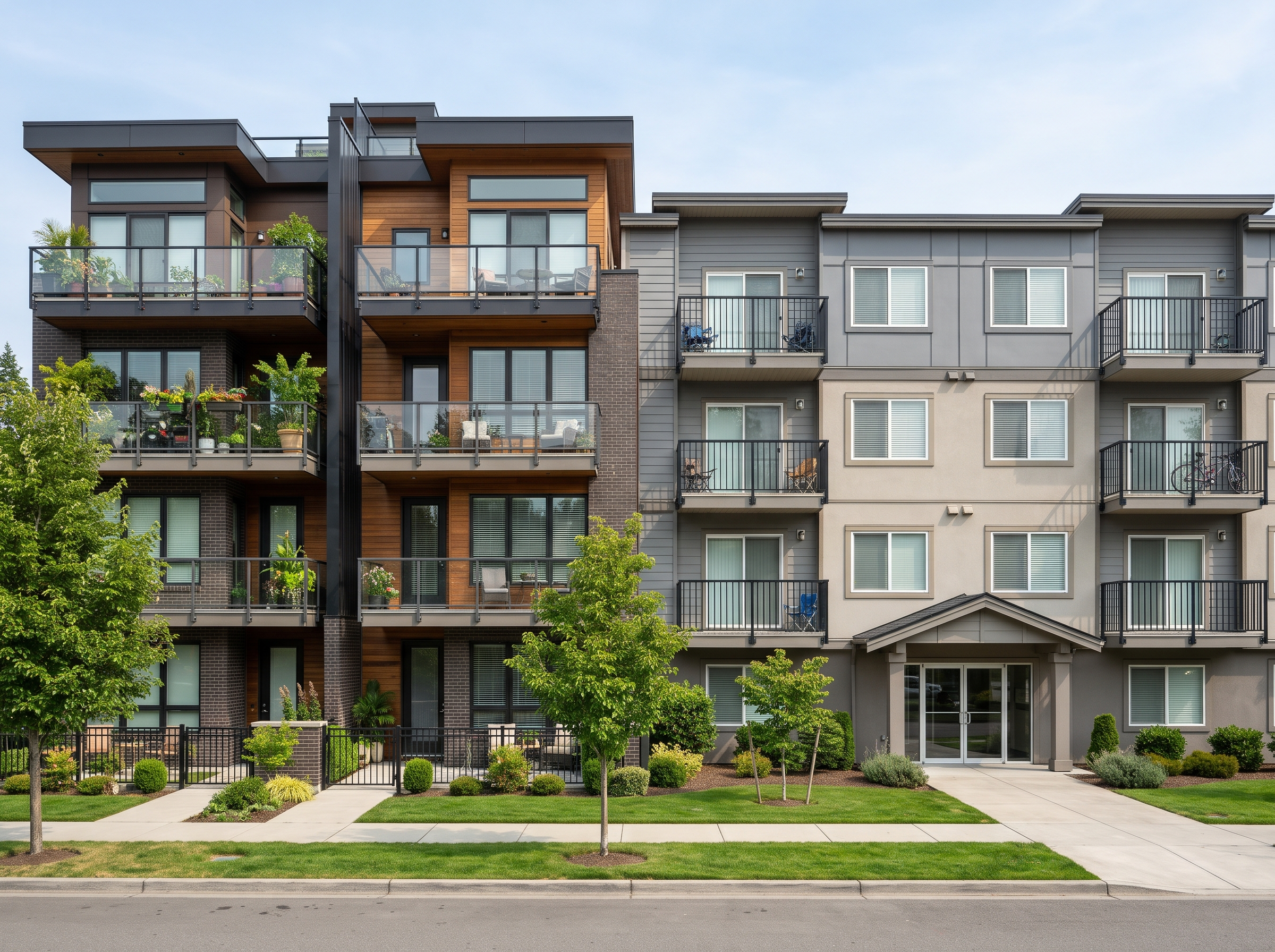
Condo or Apartment? Key Differences, Costs, and Which Is Better
A condo and an apartment can look almost identical, but the biggest difference is ownership. A condominium, commonly called a condo, is an individually owned residential unit within a larger building or community. An apartment is generally a rental home managed by a landlord or property management company, although the word apartment describes the type of home rather than a specific ownership arrangement.

In the United States, both options may offer similar floor plans, shared amenities, parking, and building services. However, ownership, monthly payments, maintenance responsibilities, lease terms, and community rules can vary considerably. Understanding these differences can help you decide whether to rent, buy, or move into a particular property.
What Is the Difference Between a Condo and an Apartment?
The main difference between a condo and an apartment is how the individual unit is owned and managed.
A condo is usually owned by an individual who may live in it or rent it to someone else. An apartment is commonly rented from a landlord or property management company, which handles the property under a lease agreement.
For example, two units in the same residential building might have the same layout and use the same swimming pool, gym, elevators, and parking area. One unit could be owned by a private condo owner, while another could be rented directly from an apartment management company.
The important distinction is that a condo describes an ownership structure, while an apartment commonly describes a residential unit or rental arrangement. A condo can be rented, and an apartment-style unit can be individually owned.
What Is a Condominium?
A condominium, or condo, is a privately owned residential unit in a building or community where residents share ownership or use of common areas.
When someone buys a condo, they generally own their individual unit and share responsibility for common property through a condominium association or homeowners association (HOA), depending on the community’s legal structure.
Common areas may include:
- Hallways and elevators
- Swimming pools
- Fitness centers
- Parking facilities
- Landscaping and outdoor spaces
- Clubhouses and shared recreational areas
Condo owners typically pay monthly or periodic association fees. These fees help cover the maintenance and operation of shared facilities, insurance for common areas, management, and reserve funds for future repairs.
Can You Rent a Condo?
Yes. A condo owner can often rent the unit to another person. In that situation, the tenant signs a lease with the individual owner rather than necessarily renting from the building’s management company.
However, condominium associations may have rental restrictions, minimum lease periods, registration requirements, or other rules. These requirements vary by community and applicable state and local law.
What Is an Apartment?
An apartment is a self-contained residential unit within a larger building or residential complex. In the United States, apartments are commonly rented by individuals or families under a lease agreement.
Apartment buildings are often owned by a landlord, real estate investment company, or property management organization. The owner or management company is generally responsible for maintaining the building and handling tenant concerns.
Typical apartment features include:
- One or more bedrooms
- A kitchen and bathroom
- A living area
- Shared hallways and entrances
- Optional parking
- Shared amenities such as a gym or swimming pool
Apartment residents usually pay monthly rent. Depending on the lease, they may also pay for utilities, parking, pet fees, renter’s insurance, or other charges.
Can an Apartment Be Owned?
Yes. The word apartment does not automatically mean a unit is rented. In some countries and U.S. real estate contexts, an apartment-style home may be individually owned as a condominium or another form of property ownership.
In everyday American usage, however, apartment often refers to a rental unit, while condo commonly signals individual ownership.
Condo vs. Apartment: Key Differences
Although condos and apartments can have similar designs, their ownership and financial arrangements are often different.
| Feature | Condo | Apartment |
|---|---|---|
| Typical ownership | Individually owned unit | Often owned by a landlord or company |
| Occupancy | Owner-occupied or rented | Commonly rented |
| Monthly payment | Mortgage, if financed, plus association fees and other costs | Monthly rent and applicable fees |
| Maintenance | Owner handles unit responsibilities; association handles common areas | Landlord generally handles property maintenance |
| Property taxes | Usually paid by the condo owner | Usually paid by the property owner |
| Association fees | Commonly required | Usually included in property management costs rather than charged separately to each tenant |
| Lease agreement | Required when rented | Usually required |
| Customization | Subject to ownership documents and association rules | Limited by lease terms and landlord approval |
| Amenities | Depend on the building or community | Depend on the property |
| Long-term investment | May build equity if the property appreciates and the mortgage is paid down | Rent does not create ownership equity |
The exact responsibilities and costs depend on the property’s documents, lease, association rules, and state and local laws.

Costs of Living in a Condo or Apartment
The total cost of living in a condo or apartment depends on whether you rent or own, the property’s location, its size, and the services included.
Condo Costs
Buying a condo can involve several expenses beyond the purchase price.
1. Down payment: Buyers commonly make an upfront payment when purchasing a condo with a mortgage. The required amount depends on the loan program, lender requirements, and buyer qualifications.
2. Mortgage payment: If you finance the purchase, you will generally make monthly principal and interest payments.
3. Property taxes: Condo owners are generally responsible for property taxes on their units. Rates and assessment practices vary by location.
4. Condo association fees: These payments help maintain shared areas and fund community expenses. Fees can vary significantly depending on the building, amenities, insurance, and maintenance needs.
5. Insurance: Condo owners commonly need an individual condo insurance policy, often called an HO-6 policy. The association’s master insurance policy may cover certain shared structures or building components, but the exact coverage depends on the policy and governing documents.
6. Repairs and special assessments: Owners may need to pay for repairs inside their units. Associations can also impose special assessments when regular funds and reserves are insufficient for certain expenses.
Apartment Costs
Renting an apartment usually involves fewer ownership-related expenses, but tenants may still face several upfront and recurring charges.
- Monthly rent
- Security deposit, subject to state and local rules
- Application or screening fees where permitted
- Utility bills not included in rent
- Parking charges
- Pet rent or pet fees
- Renter’s insurance
- Optional amenity or service fees
Before signing a lease, review which utilities and services are included. A lower advertised rent may not represent the full monthly cost if the property charges separately for parking, trash, internet, or amenities.
Pros and Cons of Condos
Buying or renting a condo can be attractive for people who want a residential property with shared amenities and a more ownership-focused arrangement.
Advantages of Condos
Potential to build equity: When you buy a condo, you own an asset. Paying down the mortgage may increase your equity, although property values can rise or fall.
Access to shared amenities: Many condo communities provide swimming pools, fitness rooms, security features, and recreational spaces.
More control over the unit: Owners may have greater freedom to renovate or personalize their homes, subject to association rules, building restrictions, and local requirements.
Potential rental income: Some owners rent their condos to tenants, provided the community’s governing documents and applicable laws allow it.
Disadvantages of Condos
Association fees: Monthly fees add to the cost of ownership and may increase over time.
Special assessments: Owners can face additional charges for major repairs or unexpected community expenses.
Association restrictions: Rules may limit renovations, pets, rentals, noise, or use of common facilities.
Responsibility for ownership costs: Owners must account for property taxes, insurance, repairs, and potential changes in property value.
Pros and Cons of Apartments
Apartments are often suitable for people who want a place to live without purchasing a property.
Advantages of Apartments
Lower upfront financial commitment: Renting usually does not require a down payment or mortgage approval. Tenants may still need to pay a security deposit and other move-in charges.
Maintenance support: Landlords are generally responsible for maintaining rental properties and addressing repair requests, subject to the lease and applicable law.
Flexibility: Lease agreements may allow tenants to move after a fixed term or under other permitted arrangements.
Fewer ownership responsibilities: Tenants generally do not pay the property’s real estate taxes directly or manage major building repairs.
Disadvantages of Apartments
No ownership equity: Monthly rent pays for the right to occupy the property, not ownership of the home.
Rent increases: Rent may increase at renewal or under applicable lease terms and local laws.
Limited customization: Tenants usually need permission before making significant changes to the unit.
Landlord and lease restrictions: Rules may cover pets, guests, parking, noise, subletting, and other aspects of daily living.

Is It Better to Rent a Condo or an Apartment?
Renting a condo or an apartment can both be good choices. The better option depends on the property, landlord, lease terms, monthly cost, and your personal priorities.
When renting a condo, you generally deal with an individual owner. That owner may offer a unit with distinctive finishes, appliances, or furnishings. However, you may also need to follow both the lease agreement and applicable condominium association rules.
When renting an apartment in a professionally managed complex, you typically deal with a property management team. This may provide a more standardized process for maintenance requests, payments, and lease administration.
| Consideration | Renting a Condo | Renting an Apartment |
|---|---|---|
| Landlord | Often an individual owner | Often a company or property owner |
| Maintenance contact | Condo owner or designated manager | Property management team |
| Unit features | May vary by individual owner | Often more standardized |
| Community rules | Condo association rules may apply | Property rules and lease terms apply |
| Lease terms | Depend on the owner and applicable law | Depend on the landlord and applicable law |
| Amenities | Depend on the condo community | Depend on the apartment complex |
Before choosing, compare the complete monthly cost, maintenance arrangements, parking, utility responsibilities, and rules that affect your daily life.

How to Choose Between a Condo and an Apartment
Choosing between these housing options becomes easier when you consider your finances, lifestyle, and long-term plans.
1. Decide Whether You Want to Rent or Buy
If you want to own property and potentially build equity, buying a condo may be worth considering. If you prefer flexibility and do not want the financial responsibilities of ownership, renting may be more suitable.
Remember that buying a condo involves more than comparing a mortgage payment with monthly rent. Include taxes, insurance, association fees, maintenance, closing costs, and possible special assessments.
2. Compare the Full Monthly Cost
Ask for a complete breakdown of all recurring expenses. For a condo, include mortgage payments if applicable, association fees, utilities, insurance, taxes, and maintenance. For an apartment, include rent, utilities, parking, pet charges, and other lease-related fees.
3. Review the Rules
Condo associations and apartment landlords can have different restrictions. Read the governing documents or lease agreement to understand rules about pets, parking, guests, renovations, rentals, and shared facilities.
4. Check Maintenance Responsibilities
Find out who handles plumbing problems, appliance repairs, heating and cooling issues, and building maintenance. If you are buying a condo, review the association’s maintenance responsibilities and financial condition.
5. Consider Your Long-Term Plans
If you expect to relocate soon, renting may offer greater flexibility. If you plan to stay in one area for several years, buying a condo could be worth evaluating, provided the purchase fits your budget and financial goals.
6. Research the Location
Compare commute times, public transportation, schools, grocery stores, healthcare facilities, parking, and neighborhood conditions. A suitable location can matter as much as the difference between a condo and an apartment.
Important Rules and Documents to Check in the United States
Condo ownership and apartment rentals are affected by different documents and laws. Before signing a purchase agreement or lease, review the requirements that apply to the specific property.
Condo Documents
If you are buying a condo, request and review:
- Declaration and CC&Rs: Explain ownership rights, restrictions, and responsibilities.
- Association bylaws and rules: Describe how the association operates and what owners can or cannot do.
- Budget and financial statements: Show how the association manages its money.
- Reserve study or reserve information: Helps you understand whether funds are being set aside for major repairs.
- Meeting minutes: May reveal upcoming projects, disputes, or financial concerns.
- Insurance documents: Explain what the association’s master policy covers and what the individual owner must insure.
Association fees, insurance responsibilities, and special assessments can significantly affect the cost of condo ownership. Fannie Mae recommends reviewing association finances and understanding how fees support maintenance and future repairs. Fannie Mae+2
Apartment Lease and Tenant Rules
Before renting an apartment or a condo, read the lease carefully. Check the rent amount, lease length, renewal terms, security deposit, utility responsibilities, parking charges, pet rules, and maintenance procedures.
Landlord and tenant responsibilities are not identical across the United States. Federal housing protections apply nationwide in relevant circumstances, while many landlord-tenant requirements, including security deposit limits, repair procedures, and notice periods, depend on state and sometimes city or county law. Do not assume that a rule in one state applies everywhere.

For example, a tenant renting a condo may have to follow the owner’s lease as well as applicable condominium community rules. Ask who handles maintenance requests and whether the owner or property manager is responsible for communicating with the association.
FAQs:
Conclusion
The main difference between a condo and an apartment is ownership. A condo is generally an individually owned unit in a shared building or community, while an apartment is commonly a rental unit managed by a landlord or property company.
Buying a condo may suit someone who wants to own a home and is comfortable paying association fees and handling ownership responsibilities. Renting an apartment may be a better fit for someone who values flexibility and wants to avoid the financial commitments of purchasing property.