Wind Idioms: 35 Common Expressions About Wind With Meanings and Examples
Wind idioms are expressions that use the idea of moving air to describe everyday situations, feelings, decisions, and unexpected events. Phrases such as throw caution to the wind, get wind of something, and take the wind out of someone’s sails have meanings that go beyond the weather. They help people communicate ideas in a colorful, natural way.
In American English, wind-related expressions appear in everyday conversations, books, movies, workplace discussions, and informal storytelling. Some describe taking risks, while others refer to hearing a rumor, recovering energy, moving quickly, or dealing with change. Learning these idioms makes it easier to understand figurative language and recognize what people mean in different contexts.
What Are Wind Idioms?
Wind idioms are phrases that use the word wind or the image of wind to express a figurative meaning. For example, when someone says, “I got my second wind,” they usually mean they regained energy after feeling tired, not that they experienced a change in the weather.

These expressions can be informal, humorous, descriptive, or suitable for professional communication. Some are closely related to sailing, where wind affects a ship’s movement and direction. Others use wind as a symbol of speed, uncertainty, freedom, or sudden change.
35 Common Wind Idioms With Meanings and Examples
The following wind idioms include their meanings and example sentences to help you understand how Americans use them in everyday English.
1. Throw Caution to the Wind
Meaning: To take a risk without worrying too much about possible consequences.
Example: Maya threw caution to the wind and applied for a job that seemed beyond her experience.
When to use it: Use this expression when someone decides to act boldly instead of being overly careful. It can describe exciting decisions, although it may also suggest poor judgment.
2. Get Wind of Something
Meaning: To hear about information, news, or a secret, often before it becomes public.
Example: The employees got wind of the company’s planned changes before the official announcement.
When to use it: This phrase is common when discussing rumors, private information, or unexpected news. It often suggests that someone learned something indirectly.
3. Get a Second Wind
Meaning: To regain energy after feeling tired or exhausted.
Example: I was ready to stop studying, but after a short break, I got my second wind.
When to use it: Use this idiom when someone feels refreshed and can continue an activity with renewed energy. It is common in conversations about exercise, work, and studying.
4. Take the Wind Out of Someone’s Sails
Meaning: To reduce someone’s confidence, enthusiasm, or determination.
Example: Her negative comments took the wind out of his sails just before the presentation.
When to use it: This expression works when criticism, disappointment, or unexpected news weakens someone’s motivation.
5. Sail Close to the Wind
Meaning: To take a risk by coming close to breaking a rule or crossing an acceptable limit.
Example: The contractor was sailing close to the wind by repeatedly ignoring safety guidelines.
When to use it: Use this idiom when someone’s behavior is risky, questionable, or nearly unacceptable. It can apply to workplace decisions, business practices, and personal conduct.
6. See Which Way the Wind Blows
Meaning: To wait and observe a situation before making a decision.
Example: Before announcing her plans, Dana decided to see which way the wind blew at the next staff meeting.
When to use it: This phrase is useful when the outcome is uncertain and a person wants more information before acting.
7. Run Like the Wind
Meaning: To run extremely fast.
Example: The boy ran like the wind to catch the school bus.
When to use it: This is an informal, vivid expression for speed. Although it specifically mentions running, it can also be used playfully to describe someone rushing away.
8. Blow Over
Meaning: To pass without causing lasting trouble or serious consequences.
Example: The disagreement between the neighbors eventually blew over.
When to use it: Use this phrasal verb when an argument, controversy, or temporary problem gradually loses importance. It is especially common in everyday American conversations.
9. A Windfall
Meaning: An unexpected gain, especially money or another valuable benefit.
Example: The unexpected tax refund was a welcome windfall for the family.
When to use it: This expression is frequently used in financial and personal contexts. A windfall might come from an inheritance, a bonus, a refund, or an unexpected business opportunity.
10. Gone With the Wind
Meaning: Completely gone, lost, or disappeared.
Example: By the time we returned to the park, our picnic blanket had gone with the wind.
When to use it: The phrase can be used literally or figuratively to describe something that has disappeared. It is also the title of the famous 1939 film Gone with the Wind, so context helps determine the intended meaning.
11. A Wind of Change
Meaning: A sign that important changes are beginning or are likely to happen.
Example: The new leadership brought a wind of change to the organization.
When to use it: This expression is often used in discussions about workplaces, communities, politics, and social developments. The plural phrase the winds of change is also common.
12. Blow Someone Away
Meaning: To impress, amaze, or astonish someone greatly.
Example: The singer’s powerful performance blew the audience away.
When to use it: This informal expression is often used to describe impressive performances, achievements, ideas, or unexpected results. It can have other meanings in different contexts, so the surrounding sentence matters.
13. Blow Hot and Cold
Meaning: To keep changing one’s attitude, feelings, or level of interest.
Example: Marcus blows hot and cold about joining the basketball team.
When to use it: Use this idiom when someone alternates between enthusiasm and hesitation, support and opposition, or friendliness and distance.
14. Sail Before the Wind
Meaning: To move forward with favorable conditions or make progress with little resistance.
Example: With strong customer support and a reliable team, the new business seemed to sail before the wind.
When to use it: This sailing-related expression describes progress made under favorable circumstances. In modern American English, have the wind at your back is often a more natural alternative.
15. Have the Wind at Your Back
Meaning: To have favorable circumstances that make success easier.
Example: With a growing customer base and an experienced team, the startup had the wind at its back.
When to use it: This expression is useful in conversations about careers, businesses, sports, and personal goals. It suggests that circumstances are helping someone move forward.

16. Into the Wind
Meaning: Against the direction of the wind; figuratively, against resistance or opposition.
Example: The candidate kept campaigning into the wind despite the difficult political climate.
When to use it: This expression can describe literal movement against the wind or a figurative struggle against unfavorable circumstances.
17. Spit in the Wind
Meaning: To attempt something pointless or ineffective, especially when the effort is likely to fail.
Example: Trying to persuade him without addressing his concerns is like spitting in the wind.
When to use it: This informal phrase describes wasted effort. It often suggests that a person is working against circumstances that make success unlikely.
18. Three Sheets to the Wind
Meaning: Very drunk.
Example: The character in the comedy was three sheets to the wind by the end of the party.
When to use it: This is an informal, sometimes humorous expression associated with drinking. Avoid it in formal writing or serious discussions about alcohol.
usingenglish.com
+1
19. All Wind and No Rain
Meaning: Full of talk or promises but lacking meaningful action or results.
Example: The manager promised major improvements, but the employees thought he was all wind and no rain.
When to use it: This less-common expression criticizes someone whose words are not supported by action. In everyday American English, all talk and no action is generally more familiar.
20. A Straw in the Wind
Meaning: A small sign that suggests a possible change or reveals the direction of future events.
Example: The sudden increase in customer complaints was a straw in the wind for the company’s upcoming challenges.
When to use it: This expression is more common in formal writing, analysis, and discussions of trends than in casual conversation.
21. Put the Wind Up Someone
Meaning: To frighten or worry someone.
Example: The unexpected warning put the wind up the new employees.
When to use it: This expression is primarily associated with British English. American speakers are more likely to say scare someone or make someone nervous.
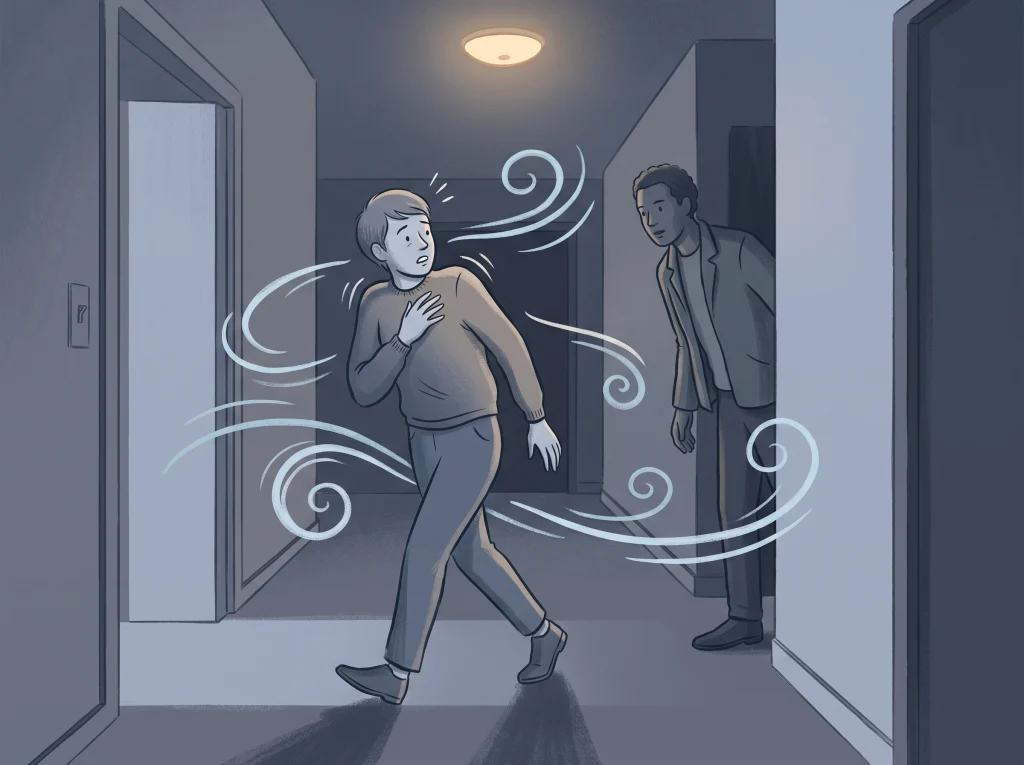
22. Twist in the Wind
Meaning: To leave someone in an uncertain, uncomfortable, or unsupported situation.
Example: The company left its customers twisting in the wind while it delayed announcing a solution.
When to use it: This phrase can describe someone who has been abandoned without guidance, help, or a clear answer. It often conveys frustration or criticism.
23. Wind Down
Meaning: To relax gradually after activity or to bring something to a gradual close.
Example: I like to wind down with a book after a busy day at work.
When to use it: In American English, wind down is common in conversations about bedtime routines, relaxation, meetings, events, and businesses. It can describe either a person becoming calmer or an activity gradually ending.
24. Wind Up
Meaning: To end up in a particular situation, place, or condition.
Example: We took a wrong turn and wound up on a road we had never seen before.
When to use it: This informal phrasal verb is especially useful when describing an unexpected result. It can also mean to bring something to a conclusion, depending on context.
25. Wind Up Doing Something
Meaning: To eventually do something, often when it was not the original plan.
Example: I intended to clean my room, but I wound up reorganizing the entire house.
When to use it: Use this expression to describe the final result of a series of events or decisions. It is common in spoken American English.
26. Wind Up Somewhere
Meaning: To eventually arrive at or find oneself in a particular place.
Example: After driving for hours without a clear plan, we wound up in a small town near the coast.
When to use it: This phrase is useful for describing unexpected destinations or situations. The past form wound up is pronounced like wownd up, not like the past tense of the noun wind when it rhymes with pinned.
27. Wind Something Up
Meaning: To finish, conclude, or bring an activity to an end.
Example: The team wound up the meeting by reviewing its next steps.
When to use it: This expression works in professional and casual situations. It can refer to finishing a meeting, discussion, project, or event.
28. Wind Up With Something
Meaning: To end up possessing, receiving, or having something.
Example: After comparing several used cars, I wound up with a reliable sedan.
When to use it: Use this phrase when describing the final result of a choice or process, especially when the result differs from the original expectation.
29. Gone to the Winds
Meaning: Scattered, lost, or abandoned, especially when plans or hopes fall apart.
Example: Our plans for an outdoor wedding went to the winds when the venue unexpectedly closed.
When to use it: This is an uncommon variation. In everyday American English, the plans went out the window or the plans fell apart sounds more natural.
30. The Wind Beneath My Wings
Meaning: A person who quietly supports, encourages, or helps someone else succeed.
Example: My parents were the wind beneath my wings throughout college.
When to use it: This affectionate expression is suitable for thank-you messages, speeches, cards, and personal conversations. It emphasizes the importance of someone’s support.
31. Like the Wind
Meaning: Very quickly or with great speed.
Example: The dog raced like the wind across the open field.
When to use it: This simile is a simple way to emphasize speed in storytelling and everyday conversation.
32. Swift as the Wind
Meaning: Extremely fast or quick.
Example: The runner was swift as the wind during the final lap.
When to use it: This expression is more literary or descriptive than ordinary conversation. It works well in stories, speeches, and vivid descriptions.
33. The Winds of Fortune
Meaning: Changes in circumstances that influence whether someone succeeds or fails.
Example: The winds of fortune shifted when the small company secured its first major contract.
When to use it: This is a figurative, somewhat literary expression for changing luck or circumstances. It can describe either favorable or unfavorable developments.
34. Sail Against the Wind
Meaning: To struggle against opposition, resistance, or difficult circumstances.
Example: The nonprofit sailed against the wind while trying to fund its community program.
When to use it: This expression draws on the difficulty of sailing against the wind. It is useful for describing a challenging effort, although go against the current and face an uphill battle may sound more natural in everyday American speech.
35. It’s an Ill Wind That Blows Nobody Any Good
Meaning: Even a bad event may bring an advantage or opportunity to someone.
Example: The store’s temporary closure was disappointing, but it gave the neighboring business a chance to attract new customers. As the saying goes, it’s an ill wind that blows nobody any good.
When to use it: This traditional proverb suggests that difficult circumstances can sometimes create unexpected benefits. It is more likely to appear in storytelling or reflective writing than in casual conversation.
Wind Idioms Used in Everyday American English
Some wind idioms are much more common in the United States than others. The following expressions are especially useful for everyday conversations, writing, and understanding American media.
| Wind idiom | Meaning | Example |
|---|---|---|
| Throw caution to the wind | Take a risk | She threw caution to the wind and started a business. |
| Get wind of something | Hear about information | We got wind of the changes early. |
| Get a second wind | Regain energy | I got a second wind after lunch. |
| Take the wind out of someone’s sails | Reduce confidence | The criticism took the wind out of his sails. |
| Blow over | Pass without lasting trouble | The argument will eventually blow over. |
| Have the wind at your back | Have favorable circumstances | She has the wind at her back in her new career. |
| Run like the wind | Run very fast | He ran like the wind to catch the train. |
| Wind down | Relax or gradually finish | I wind down before bed. |
| Wind up | Eventually end up somewhere or in a situation | We wound up at a different restaurant. |
| A windfall | An unexpected benefit | The refund was a welcome windfall. |
These expressions have slightly different levels of formality. Get wind of something often appears in conversations about rumors or private information, while have the wind at your back is useful when discussing favorable conditions.

Collins English Dictionary
+1
How to Use Wind Idioms Correctly
Learning the meaning of an idiom is only the first step. You also need to understand how it fits into a sentence and which verb forms to use.
1. Pay Attention to Verb Tenses
Many wind expressions change form according to the time being described.
- Present: She gets a second wind after resting.
- Past: She got a second wind after resting.
- Present perfect: She has gotten a second wind after taking a break.
- Future: She will get a second wind after some rest.
For phrasal verbs such as wind up, the past tense is wound up.
For example: “We wound up staying at home because of the rain.”
2. Understand the Difference Between Literal and Figurative Meaning
Wind-related expressions do not always describe actual weather.
Consider these examples:
- Literal: The wind blew the leaves across the yard.
- Figurative: The unexpected news took the wind out of her sails.
The first sentence describes moving air. The second describes a loss of confidence or enthusiasm.
3. Match the Expression to the Situation
Some expressions are informal, while others sound more literary or traditional. For example, three sheets to the wind is informal and humorous, whereas a straw in the wind is more suitable for discussing early signs of a larger change.
Choosing the right expression helps your English sound natural rather than forced.
Common Mistakes When Using Wind Idioms
English learners sometimes confuse wind idioms because their literal meanings do not explain their figurative meanings.
Mistake 1: Using “get wind of” to describe the weather.
Incorrect: “I got wind of the cold weather on my face.”
Correct: “I got wind of the office party from a coworker.”
The expression means hearing about information, not feeling moving air.
Mistake 2: Confusing “wind down” with “wind up.”
“Wind down” often means to relax or gradually finish an activity. “Wind up” can mean to end up in a situation or bring an activity to a close.
Examples:
- I wind down by listening to music.
- We wound up watching a movie.
- The host wound up the meeting at 4 p.m.
Mistake 3: Treating every wind expression as equally common.
Phrases such as get a second wind and throw caution to the wind are useful in modern American English. Expressions such as put the wind up someone are more strongly associated with British English, while a straw in the wind is more formal or literary.
Mistake 4: Taking an idiom literally.
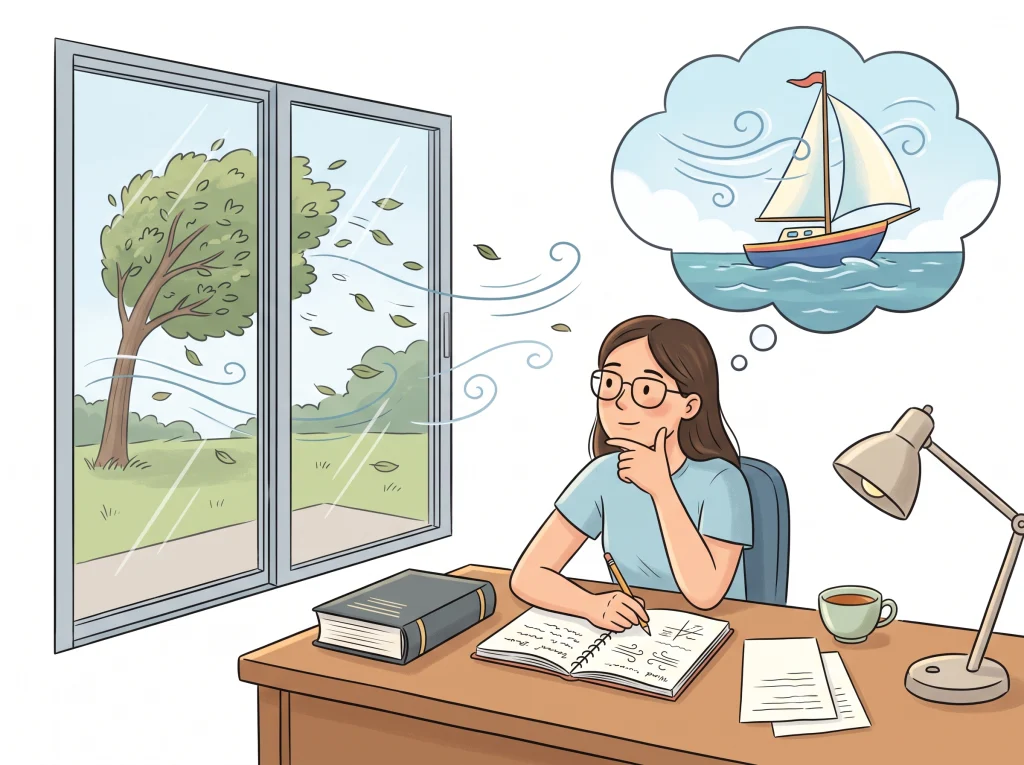
If someone says that criticism “took the wind out of his sails,” they are describing disappointment or reduced confidence, not a real sailing problem.
Frequently Asked Questions:
Conclusion
Wind idioms add color and meaning to everyday English. Expressions such as throw caution to the wind, get wind of something, get a second wind, and take the wind out of someone’s sails help describe decisions, rumors, renewed energy, and changing confidence.
For English learners, the best way to remember these phrases is to learn each meaning alongside a complete example sentence. Start with the most common expressions and practice using them in conversations, personal writing, or short stories. With regular practice, wind idioms will become easier to recognize and use naturally in American English.