20 Pregnant Idioms and Expressions: Meanings and Examples
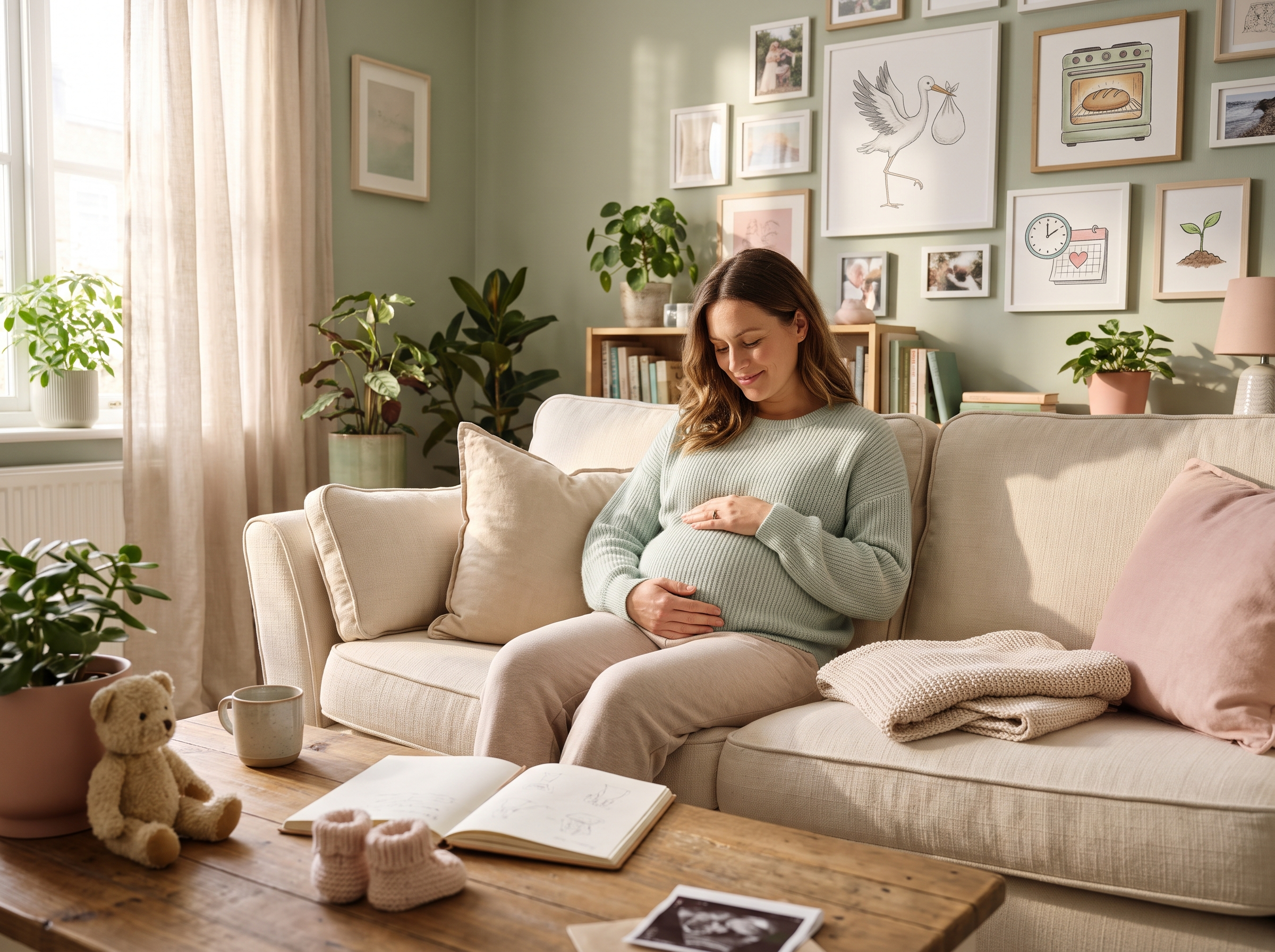
Pregnancy-related idioms are expressions people use to talk about expecting a baby, becoming a parent, or the changes that come with pregnancy. Some are warm and playful, such as “have a bun in the oven,” while others are informal or potentially offensive, such as “knocked up.”
These expressions appear in everyday conversations, books, movies, and popular culture. Understanding their meanings, tone, and context can help English learners use them naturally and avoid awkward situations.
Not every expression in this list is a traditional idiom. Some are euphemisms, slang terms, or common phrases that communicate the same idea. The examples below explain how each expression is used, especially in American English.
What Are Pregnant Idioms?
Pregnant idioms are figurative or informal expressions that refer to pregnancy without always using the direct word pregnant. People may use them to announce a pregnancy, share happy news, make a joke, or speak more gently about expecting a child.
For example, when someone says, “She has a bun in the oven,” they mean she is pregnant. The expression compares a developing baby to a bun baking inside an oven.
Some pregnancy expressions are widely understood in the United States, while others are more common in British or Australian English. Their tone also varies. A phrase that sounds funny between close friends may feel inappropriate when used with a coworker or someone you do not know well.
Common Pregnant Idioms and Their Meanings
Here are common expressions connected with pregnancy, along with their meanings and examples.
1. Have a Bun in the Oven
Meaning: To be pregnant.
This is one of the best-known humorous expressions for pregnancy. The bun represents the baby, while the oven represents the womb. Cambridge Dictionary identifies it as an old-fashioned, humorous idiom. Cambridge English Dictionary+1
Example:
“My sister has a bun in the oven, so our family is planning a baby shower.”
2. Eating for Two
Meaning: To be pregnant, humorously referring to the mother and baby.
People sometimes use this phrase when talking about a pregnant person’s appetite. However, it should not be taken as literal dietary advice or a reason to eat twice as much food.
Example:
“Everyone joked that Maria was eating for two when she ordered another dessert.”
3. The Patter of Tiny Feet
Meaning: The expected arrival of a baby.
This humorous expression refers to the small footsteps people associate with young children. It can be used to suggest that someone is expecting a baby. Cambridge English Dictionary+1
Example:
“The couple announced that they would soon hear the patter of tiny feet.”
4. Be Expecting
Meaning: To be pregnant or waiting for a baby to be born.
This is a common, gentle expression in American English. It is not a traditional idiom, but it is one of the most natural ways to talk about pregnancy.
Example:
“My neighbors are expecting their first child in March.”
5. Have a Baby on the Way
Meaning: To be expecting a baby.
This friendly phrase focuses on the upcoming arrival rather than the pregnancy itself. It works well in casual conversations and announcements.
Example:
“Congratulations! I heard you have a baby on the way.”

6. Be With Child
Meaning: To be pregnant.
This is an older, more formal-sounding expression. It appears in literature and traditional writing but is less common in everyday American conversation. English meaning – Cambridge Dictionary+1
Example:
“The old novel describes a young woman who was with child.”
7. Be in the Family Way
Meaning: To be pregnant.
This is an old-fashioned, informal expression. It is more likely to appear in older books, historical dialogue, or humorous conversation than in modern everyday American English. Cambridge English Dictionary
Example:
“Her grandmother suspected she was in the family way.”
8. Carrying a Child
Meaning: To be pregnant.
This expression describes pregnancy in a straightforward but gentle way. It is common in personal conversations and writing, although expecting a baby is often more natural in everyday American English.
Example:
“She is carrying her first child and preparing for the baby’s arrival.”
9. Have One on the Way
Meaning: To be expecting a baby.
This is a casual way to say that a baby is expected soon. The phrase can refer to a first child or another addition to the family.
Example:
“They already have two children and have another one on the way.”
10. Be Preggers
Meaning: To be pregnant.
Preggers is an informal, playful slang term. It is usually heard in casual conversation rather than professional or formal settings.
Example:
“My friend told us she was preggers during our weekend get-together.”
Informal and Old-Fashioned Pregnancy Expressions
Some pregnancy expressions are strongly associated with particular regions or generations. Knowing their tone can help you understand them without accidentally using a phrase that sounds rude or outdated.
11. Get Knocked Up
Meaning: To make someone pregnant or, in informal American slang, to become pregnant.
This expression is blunt and can sound disrespectful or judgmental. It may also suggest an unplanned pregnancy, depending on the context. It is best avoided when congratulating someone or discussing a pregnancy sensitively. definition in the Cambridge English Dictionary+1
Example:
“The character in the comedy used the phrase ‘knocked up’ when discussing an unexpected pregnancy.”
12. Be Up the Duff
Meaning: To be pregnant.
This is British and Australian slang, not a standard American expression. It may sound unfamiliar to many people in the United States.
Example:
“In the British television show, one character jokingly says that her friend is up the duff.”
13. Be in the Pudding Club
Meaning: To be pregnant.
This is an old-fashioned British expression. It is generally used humorously and is not common in everyday American English.
Example:
“The phrase ‘in the pudding club’ appeared in the historical novel as a playful reference to pregnancy.”
14. Be Up the Spout
Meaning: To be pregnant.
This is another informal British expression. It is old-fashioned and may carry a negative or joking tone depending on how it is used.
Example:
“The older character used the expression ‘up the spout’ instead of saying that someone was pregnant.”
15. Be in an Interesting Condition
Meaning: To be pregnant.
This is a euphemism that avoids directly mentioning pregnancy. It sounds old-fashioned and is more likely to appear in historical writing than modern conversation.
Example:
“The letter politely hinted that the young woman was in an interesting condition.”
16. Be in a Delicate Condition
Meaning: To be pregnant.
This expression presents pregnancy as a delicate or sensitive situation. It is an older euphemism and may sound overly formal today.
Example:
“Her relatives believed she was in a delicate condition and offered to help with household tasks.”
Positive and Gentle Ways to Talk About Pregnancy
Not every useful pregnancy expression is an idiom. Some everyday phrases are more appropriate when sharing personal news or congratulating someone.
17. A Little One on the Way
Meaning: A baby is expected.
This affectionate expression is common in pregnancy announcements, greeting cards, and conversations with family and friends.
Example:
“We are excited to welcome a little one on the way this summer.”
18. Expecting a Bundle of Joy
Meaning: Waiting for a baby, described as a source of happiness.
A bundle of joy is an affectionate expression for a baby. When someone says a couple is expecting a bundle of joy, they mean the couple is preparing for a baby’s arrival.
Example:
“Our neighbors are expecting a bundle of joy in December.”
19. The Happy Event
Meaning: The birth of a baby.
This expression refers to the anticipated birth rather than pregnancy itself. It has a traditional, somewhat formal tone.
Example:
“The family is making arrangements for the happy event next month.”
20. Start a Family
Meaning: To begin having children or build a family with children.
This phrase is broader than pregnancy. It can describe a couple’s decision to have children, whether they are already expecting or are planning for the future.
Example:
“After several years of marriage, they decided to start a family.”
How to Use Pregnancy Idioms Naturally
Choosing the right expression depends on the situation, your relationship with the person, and the tone you want to convey.
For everyday American English, these phrases are generally easy to understand:
| Situation | Natural expression |
|---|---|
| Sharing pregnancy news | “We’re expecting a baby.” |
| Making a lighthearted announcement | “We have a bun in the oven.” |
| Congratulating someone | “Congratulations on your baby on the way!” |
| Talking about a future child | “They’re expecting a little one.” |
| Referring to an upcoming birth | “The patter of tiny feet is coming soon.” |
| Discussing pregnancy formally | “She is pregnant.” |
When speaking to someone about their pregnancy, it is usually best to use respectful, direct language. If you are unsure whether a person is pregnant, avoid guessing based on their appearance. Wait until they share the news themselves.

Expressions That Can Be Misunderstood
Some phrases connected with pregnancy have meanings that go beyond their literal words. Others may refer to pregnancy but sound outdated, regional, or insensitive.
“Eating for two” is a humorous expression, not a medical recommendation. Pregnancy nutrition needs vary, and the phrase should not be interpreted as advice to double food intake. downloads.bbc.co.uk+1
“Knocked up” is slang and can sound disrespectful. It is not a good choice for a formal announcement, a workplace conversation, or a sensitive discussion.
“In the family way” and “with child” are older expressions. They are useful to recognize when reading older books, but most Americans would more naturally say pregnant or expecting.
There is also an expression that learners sometimes confuse with pregnancy idioms: “pregnant pause.” It does not mean that someone is pregnant. It describes a meaningful or noticeable silence during a conversation. Cambridge English Dictionary+1
Frequently Asked Questions:
Conclusion
Pregnant idioms and expressions add humor, warmth, and variety to everyday English. Phrases such as “a bun in the oven,” “eating for two,” and “the patter of tiny feet” are useful to recognize, while expressions such as “up the duff” and “in the family way” are more regional or old-fashioned.
For modern American conversations, “expecting a baby,” “having a baby on the way,” and “a little one on the way” are generally natural and friendly choices. Use slang carefully, and remember that respectful, direct language is often best when discussing someone’s pregnancy.