40 Idioms About Fashion: Meanings and Examples in American English
Fashion is about more than clothes, shoes, and accessories. It also gives English speakers many colorful expressions for describing personal style, changing trends, confidence, and appearance. Idioms about fashion can help you sound more natural when discussing outfits, shopping, or the latest styles with friends and coworkers.
Some fashion idioms refer directly to clothing, such as dressed to the nines and fit like a glove. Others use clothing as a metaphor for everyday situations, including wearing many hats, cut from the same cloth, and a wolf in sheep’s clothing. Learning these expressions can improve your understanding of American conversations, books, movies, and social media.
Below are 40 fashion-related idioms and expressions, along with their meanings and examples. Some describe clothing and appearance directly, while others use fashion-related imagery to communicate broader ideas.
Common Idioms About Fashion and Clothing
These expressions describe outfits, clothing choices, and the way clothes look or fit. They are useful in everyday conversations about getting dressed, attending events, and expressing personal style.
1. Dressed to the Nines
Meaning: Wearing very stylish, elegant, or impressive clothes.
This expression is often used when someone looks especially attractive or formal at an important event.
Example: Everyone was dressed to the nines for the company’s annual awards dinner.
2. Fit Like a Glove
Meaning: To fit perfectly, especially when talking about clothes or shoes.
The expression can also describe something that suits a person or situation extremely well.
Example: These new jeans fit like a glove, so I am keeping them.
3. Fashion Statement
Meaning: A noticeable clothing choice or style that expresses personality, taste, or individuality.
A fashion statement may involve a bold color, unusual accessory, or distinctive outfit.
Example: Her bright red boots made a fashion statement at the party.
4. Wear the Pants
Meaning: To be the person who makes the important decisions in a relationship, family, or organization.
Although the phrase refers to clothing, it is usually about authority rather than fashion. Depending on the situation, it can sound old-fashioned or reinforce gender stereotypes.
Example: Everyone knows that Maya wears the pants when it comes to planning family vacations.
5. In Someone’s Shoes
Meaning: To imagine yourself in another person’s situation.
This expression is useful when discussing clothing only in a figurative sense, particularly when showing empathy for someone else’s choices or challenges.
Example: If you were in her shoes, you might choose a more comfortable outfit for the long flight.
6. Hand-Me-Down
Meaning: Clothing or another item passed from one person to another after the first person has finished using it.
Hand-me-downs are common among siblings and can be a practical way to save money.
Example: My younger brother loves wearing the hand-me-down jackets he gets from me.
7. Off the Rack
Meaning: Clothing sold in standard sizes rather than made specifically for an individual.
The phrase is especially common when comparing ready-made clothes with custom-tailored garments.
Example: I bought an off-the-rack suit instead of paying for a custom-made one.
8. Tailor-Made
Meaning: Made specifically for a person’s measurements or needs.
Although it often describes clothing, it can also refer to something perfectly suited to a particular person or purpose.
Example: The tailor-made dress fit her beautifully.
9. Put on Your Sunday Best
Meaning: To wear your nicest clothes for a special occasion.
The expression traditionally refers to dressing well for Sunday church services, but it can be used for weddings, celebrations, and other formal events.
Example: We put on our Sunday best for our grandparents’ anniversary celebration.
10. Dressed to Kill
Meaning: Wearing extremely attractive, stylish, or striking clothes.
This expression is often used for someone who wants to make a strong impression. It is figurative rather than a literal reference to violence.
Example: She was dressed to kill in a black evening gown and matching heels.
Idioms About Personal Style and Appearance
The following expressions describe how people present themselves, how their clothes affect their appearance, and how fashion can communicate personality.
11. Keep Up Appearances
Meaning: To maintain a particular image or impression, even when the reality is different.
People may use this expression when someone tries to look wealthy, successful, or well-dressed despite financial or personal difficulties.
Example: They continued to keep up appearances by wearing expensive clothes even after losing much of their income.
12. Clothes Make the Man
Meaning: A person’s clothing can influence how others perceive them.
This traditional saying emphasizes the effect of appearance on first impressions. However, clothing does not determine someone’s character or worth.
Example: My father always says that clothes make the man, especially when dressing for a job interview.
13. Cut From the Same Cloth
Meaning: To be very similar to another person in personality, behavior, or values.
The expression compares people to pieces of fabric from the same material.
Example: The two designers are cut from the same cloth because they both prefer simple, timeless styles.
14. A Wolf in Sheep’s Clothing
Meaning: A person who appears harmless or friendly but hides harmful intentions.
This expression comes from the image of a dangerous wolf disguising itself as a sheep.
Example: The salesperson seemed helpful, but he turned out to be a wolf in sheep’s clothing.
15. Wear Your Heart on Your Sleeve
Meaning: To show your emotions openly rather than hide them.
The expression uses clothing imagery to suggest that feelings are visible to everyone.
Example: Daniel wears his heart on his sleeve, so everyone knows when he loves an outfit or dislikes a new trend.
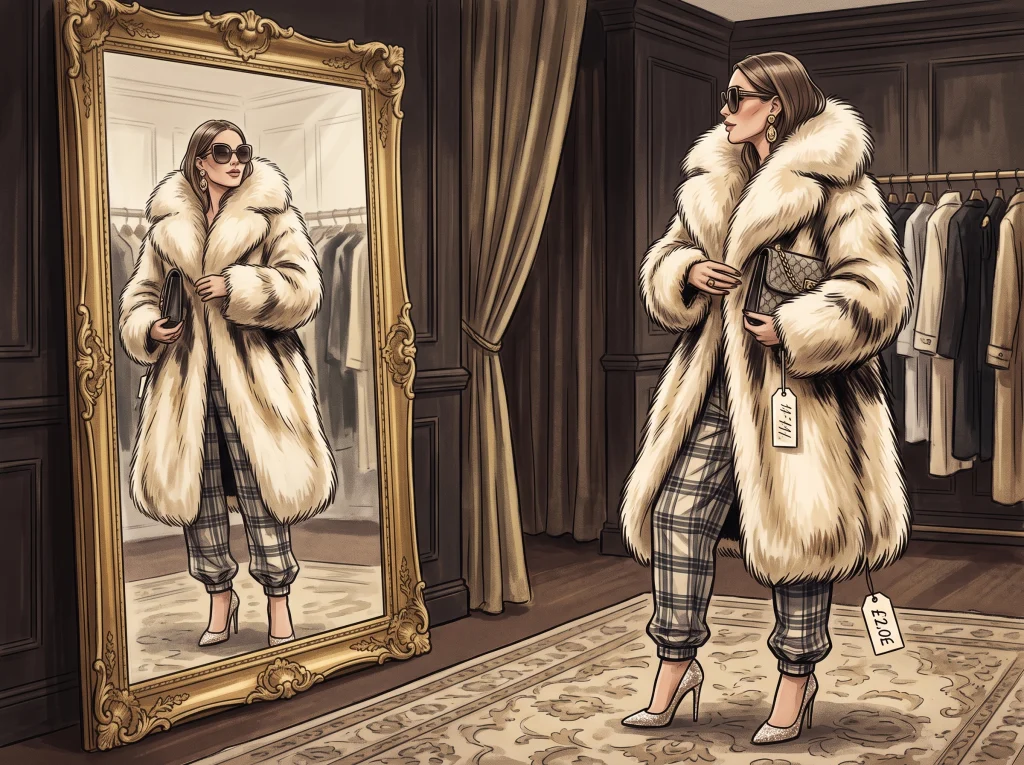
16. All Fur Coat and No Knickers
Meaning: Someone or something that looks impressive on the outside but lacks substance.
This informal British expression refers to appearance without much behind it. It is less common in everyday American English, where alternatives such as all style and no substance may sound more natural.
Example: The boutique’s advertising was impressive, but the products were disappointing. It was all fur coat and no knickers.
17. Put on a New Face
Meaning: To change one’s expression or outward manner, often to hide feelings or present a different attitude.
This expression is not exclusively about fashion, but it relates to personal presentation.
Example: She put on a cheerful new face before greeting customers, even though she was having a difficult day.
18. Dress for Success
Meaning: To choose clothing that creates a professional impression and supports your goals.
The phrase is common in discussions about interviews, workplace attire, and business settings.
Example: Marcus decided to dress for success by wearing a clean, well-fitted suit to his interview.
19. Look the Part
Meaning: To have the appearance expected for a particular role, job, or activity.
Looking the part does not necessarily mean someone has the skills needed to perform the role.
Example: She looked the part of a fashion editor in her tailored blazer and stylish glasses.
20. Make a Good Impression
Meaning: To cause others to develop a positive opinion of you.
Clothing can help create a good first impression, particularly in professional or formal settings.
Example: Wearing neat, appropriate clothes helped him make a good impression at his first meeting with the team.
Idioms About Fashion Trends and Popularity
Fashion changes constantly. These expressions help describe styles that are popular, outdated, unusual, or widely accepted.
21. In Vogue
Meaning: Currently fashionable, popular, or widely admired.
The word vogue is closely associated with fashion, but the expression can also describe popular ideas or activities.
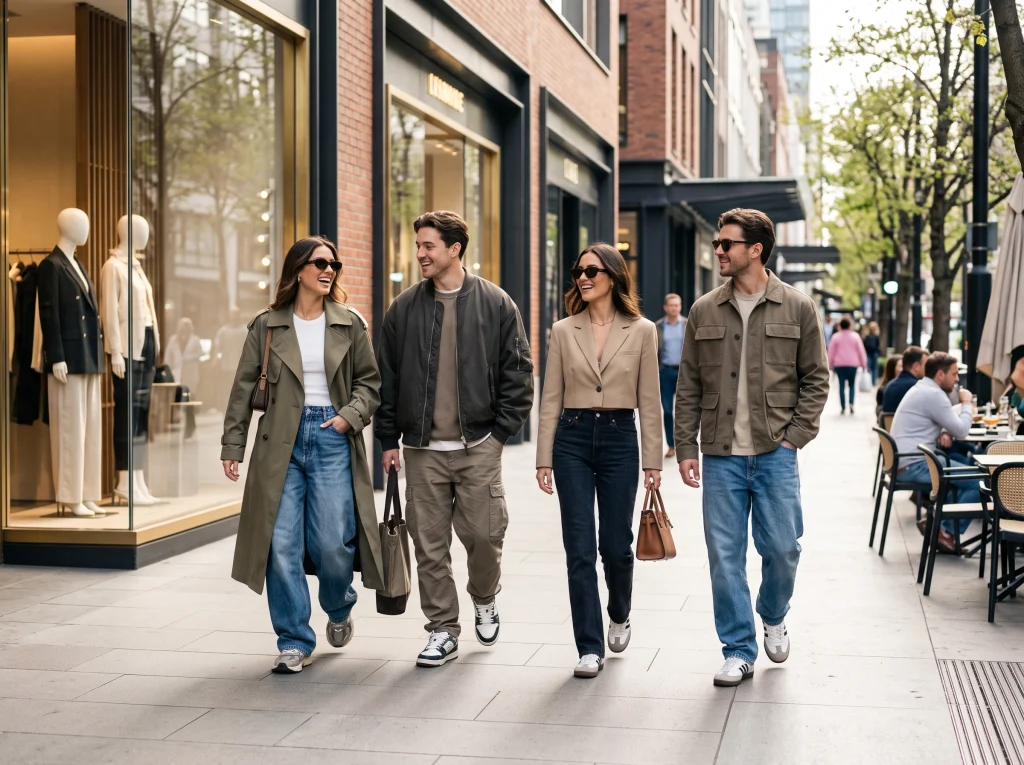
Example: Oversized jackets are in vogue this fall.
22. All the Rage
Meaning: Extremely popular or fashionable at a particular time.
This phrase is often used for clothing, hairstyles, products, and cultural trends.
Example: Vintage sneakers are all the rage among college students this year.
23. The Latest Thing
Meaning: The newest or most fashionable product, idea, or trend.
The expression can refer to clothes and accessories, as well as technology and entertainment.
Example: Everyone at school wanted the latest thing in designer backpacks.
24. Old Hat
Meaning: Something that is no longer new, exciting, or fashionable.
This informal expression is useful when discussing trends that have lost their popularity.
Example: Skinny jeans may seem old hat to some shoppers who prefer wider-leg styles.
25. Ahead of the Curve
Meaning: More advanced or aware of new developments than other people.
In fashion, the phrase describes someone who recognizes emerging trends before they become popular.
Example: The designer was ahead of the curve by introducing sustainable fabrics before they became widely discussed.
26. Behind the Times
Meaning: Not keeping up with current styles, ideas, or developments.
This expression can describe clothing that looks outdated, but it can also refer to old-fashioned opinions or methods.
Example: My uncle thinks bright sneakers are a passing fad, but his fashion opinions are sometimes behind the times.
27. Set the Trend
Meaning: To introduce a style or behavior that other people begin to follow.
Designers, celebrities, influencers, and ordinary people can all set trends.
Example: The singer helped set the trend for oversized sunglasses in the early 2000s.
28. Follow the Crowd
Meaning: To do what most other people are doing rather than make an independent choice.
The expression applies to fashion when people copy popular styles simply because everyone else wears them.
Example: Instead of following the crowd, she chose clothes that reflected her own personality.
29. Make Waves
Meaning: To attract attention or cause a noticeable change.
In fashion, a designer or public figure may make waves by introducing a bold collection or challenging established expectations.
Example: The young designer made waves with a collection made from recycled materials.
30. A Passing Fad
Meaning: A short-lived trend that becomes popular but does not last.
A fad may attract considerable attention before people lose interest.
Example: Some shoppers believe that extremely oversized accessories are a passing fad.
Idioms About Confidence and Self-Expression
Fashion can influence how people feel and express themselves, but personal style is not limited to following trends. These expressions describe individuality, confidence, and the choices people make.
31. Wear Many Hats
Meaning: To perform several different roles or responsibilities.
Although the phrase is not limited to fashion, hats provide the clothing image behind the expression.
Example: As a small business owner, Nina wears many hats, including designer, manager, and salesperson.
32. Put Your Best Foot Forward
Meaning: To make the best possible impression or approach a situation with effort and confidence.
This expression can apply to choosing an outfit for an important event, but it is also common in professional and personal situations.
Example: I put my best foot forward by choosing a polished outfit and preparing carefully for the interview.
33. Stand Out From the Crowd
Meaning: To be noticeably different from other people.
A person can stand out through distinctive clothing, original ideas, or exceptional abilities.
Example: His colorful jackets help him stand out from the crowd at fashion events.
34. Be Comfortable in Your Own Skin
Meaning: To feel confident and accepting of who you are.
The expression encourages self-acceptance rather than trying to satisfy everyone else’s expectations.
Example: She is comfortable in her own skin and wears whatever makes her feel confident.
35. March to the Beat of Your Own Drum
Meaning: To live or behave according to your own preferences instead of following other people’s expectations.
This expression describes people who develop their own style rather than copying every new trend.
Example: He marches to the beat of his own drum by wearing vintage clothes and designing his own accessories.
36. Break the Mold
Meaning: To do something differently from what is traditional or expected.
In fashion, this can describe a designer who challenges conventional ideas about clothing or beauty.
Example: The fashion brand broke the mold by creating a collection that challenged traditional ideas about formal wear.
37. Come Into Fashion
Meaning: To become popular or fashionable.
The phrase is often used for clothing styles, colors, fabrics, and accessories that gain popularity.
Example: Wide-leg trousers came into fashion again after years of slimmer styles dominating many stores.
38. Go Out of Fashion
Meaning: To stop being fashionable or popular.
Fashion trends frequently change, so an item that once seemed modern may eventually look outdated.
Example: That particular jacket style went out of fashion, but it may return someday.
39. Mix and Match
Meaning: To combine different items, colors, patterns, or styles to create a suitable combination.
This is a common fashion expression rather than a traditional figurative idiom, but it is highly useful when talking about personal style.
Example: I like to mix and match neutral pants with colorful shirts to create different outfits.
40. Less Is More
Meaning: A simple approach can be more effective or attractive than an overly complicated one.
In fashion, this expression often supports minimalist outfits, subtle accessories, and clean designs.
Example: She chose a plain black dress and small earrings because she believes less is more.
How to Use Fashion Idioms in Everyday American English
Fashion-related expressions are useful in conversations about shopping, workplace clothing, social events, and personal preferences. The key is to understand the meaning and tone of each expression before using it.
For example, you might say, “You’re dressed to the nines!” when complimenting a friend’s formal outfit. If someone wears a distinctive combination of colors and accessories, you could say, “Your outfit really stands out from the crowd.” When discussing a trend, you might say, “That style is all the rage right now.”
Some expressions are more appropriate for particular situations. Dress for success and look the part work well in professional discussions, while old hat and all the rage sound natural in casual conversations about trends. A wolf in sheep’s clothing describes hidden intentions, so it should not be used as a simple compliment about someone’s clothes.
Remember that not every fashion-related expression is a traditional idiom. Phrases such as fashion statement, mix and match, and dress for success are common expressions that belong naturally in conversations about style. Learning both idioms and everyday fashion vocabulary will help you communicate more clearly.

Common Mistakes When Using Fashion Idioms
Fashion idioms can make conversations more expressive, but using them incorrectly may confuse your listener. Pay attention to their meanings, grammar, and context.
Confusing literal and figurative meanings: Wear the pants usually refers to decision-making authority, not the person who wears trousers. Similarly, wear many hats means performing several roles rather than wearing multiple hats at once.
Using trend expressions incorrectly: In vogue and all the rage describe something that is currently popular. Old hat describes something familiar or outdated, while a passing fad emphasizes that a trend is unlikely to last.
Assuming every expression is equally common in American English: Some phrases, such as all fur coat and no knickers, are associated more strongly with British English. American speakers may prefer all style and no substance to express a similar idea.
Using idioms in overly formal writing: Idioms often work well in conversation, blogs, fashion articles, and informal messages. In a formal business report, a direct statement such as “The design is currently popular” may be clearer than “The design is all the rage.”
Forgetting the intended tone: Expressions such as dressed to kill are generally compliments about appearance, whereas a wolf in sheep’s clothing is a warning about someone’s character. Choosing the right expression helps you communicate the intended meaning.
FAQs:
Conclusion
Idioms about fashion offer an engaging way to talk about clothing, personal style, changing trends, and self-confidence. Expressions such as dressed to the nines, in vogue, look the part, and stand out from the crowd are especially useful when describing outfits and appearances in American English.