Prime or Choice? Meaning, Differences, and Which Is Better
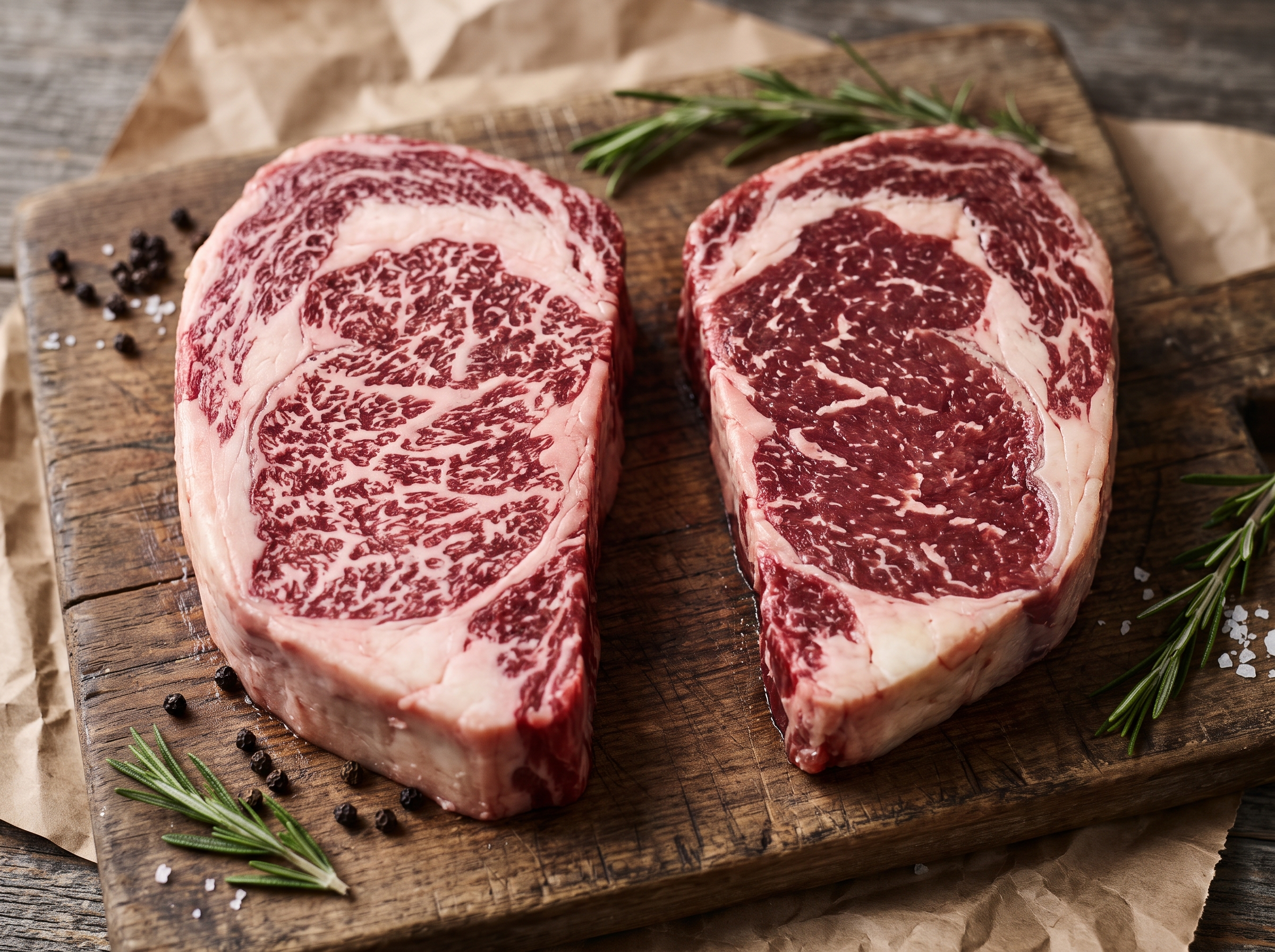
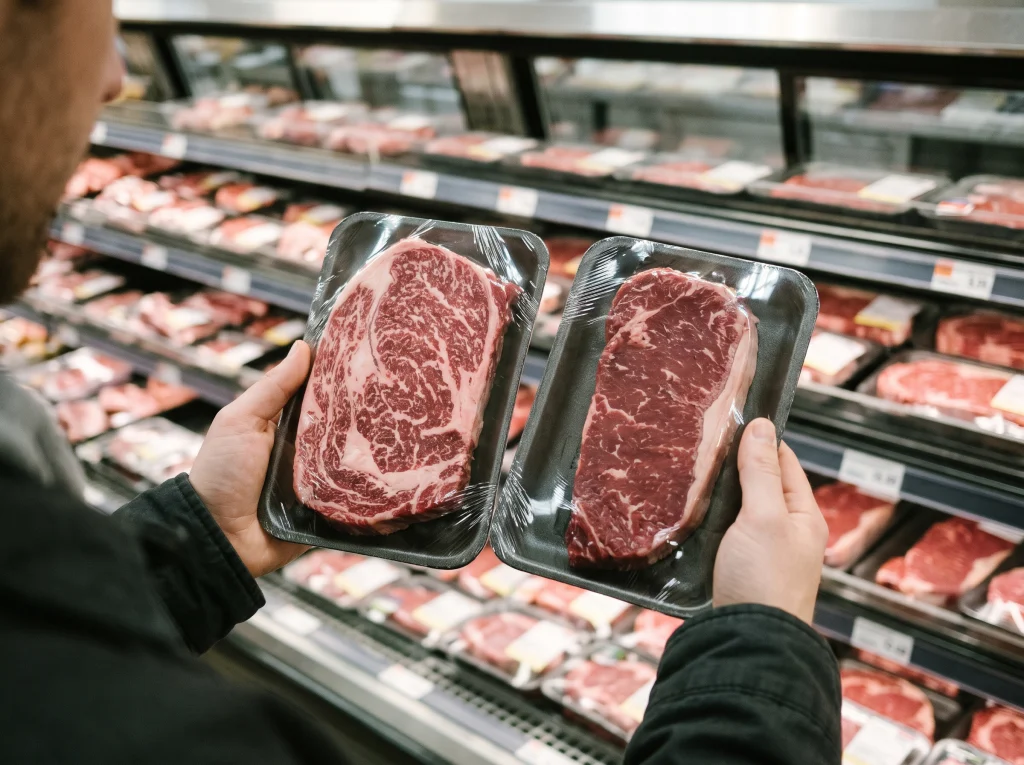
When comparing Prime or Choice beef at an American grocery store or steakhouse, the main difference is marbling, which refers to the small streaks of fat distributed throughout the meat. USDA Prime beef has more marbling than USDA Choice beef, which can make it richer, juicier, and more flavorful. Choice beef is also high quality and often offers excellent flavor and tenderness at a lower price.
Both grades can make a delicious steak. The better option depends on the cut of beef, your cooking method, your budget, and how much marbling you prefer. Understanding the USDA grading system can help you choose the right beef for grilling, roasting, special occasions, or everyday meals. Ask USDA
What Is Prime Beef?
USDA Prime is the highest standard quality grade for beef in the USDA’s main beef quality grading system. It is known for its abundant marbling, which helps improve the meat’s tenderness, juiciness, and flavor.
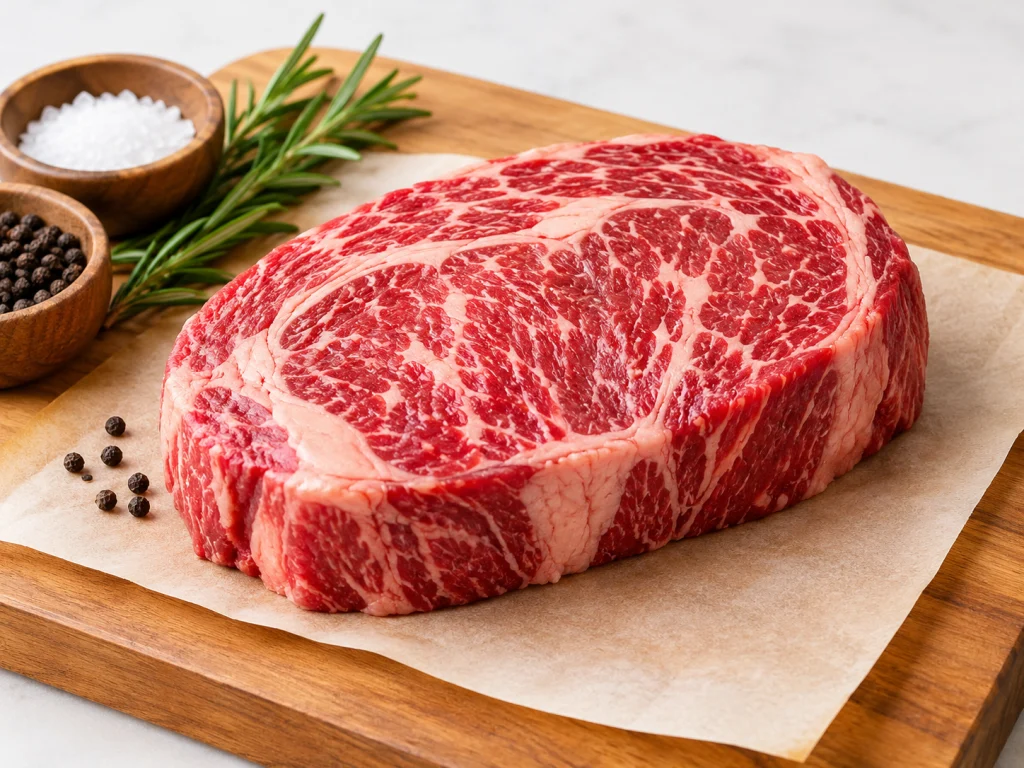
Prime beef comes from young, well-fed cattle that meet the USDA’s quality requirements. Because it has more intramuscular fat than Choice beef, it is particularly popular for premium steaks and restaurant meals. You may find it at specialty butcher shops, high-end steakhouses, and some large grocery stores.
What Makes Prime Beef Special?
The main characteristic of Prime beef is its marbling. These fine streaks of fat are distributed within the muscle rather than appearing only along the outside of the cut. As the beef cooks, some of this fat melts, helping the meat retain moisture and develop a rich flavor.
Prime beef is particularly suitable for cooking methods that use high heat, including grilling, broiling, and pan-searing. Cuts from the rib and loin are popular choices because they are naturally tender and work well with these methods.
Prime beef is often more expensive than Choice beef because it meets a higher quality grading standard and is in demand for premium dining. However, a higher grade does not guarantee that every steak will taste better to every person. Cooking technique, freshness, cut selection, and personal preference also influence the final result.
What Is Choice Beef?
USDA Choice is a high-quality beef grade that has less marbling than Prime but can still deliver excellent tenderness, flavor, and juiciness. It is a popular option for American households, restaurants, and people who want a good steak without paying the highest price.
Choice beef has enough marbling to make many cuts flavorful and enjoyable. Ribeye, strip steak, and tenderloin from the Choice grade can all be excellent options when properly prepared. The exact eating experience depends on the particular cut and how it is cooked.
Why Choose Choice Beef?
Choice beef offers a practical balance between quality and cost. It is widely available in American supermarkets, making it convenient for everyday cooking, family dinners, and backyard barbecues.
Choice steaks from the rib and loin are generally well suited to grilling, broiling, and pan-searing. Less tender cuts, such as chuck, often benefit from slow cooking or braising to help break down connective tissue.
For example, a Choice ribeye can make a satisfying grilled steak without the extra expense of Prime. A Choice chuck roast can also produce a tender, flavorful meal when cooked slowly with broth, vegetables, and seasonings.
Choice does not mean low quality. It is one of the USDA’s major retail beef quality grades, and it can be an excellent purchase when you select the right cut for your recipe. Agricultural Marketing Service
Prime vs. Choice: Key Differences
Prime and Choice are both USDA beef quality grades, but they differ in their minimum marbling requirements and the eating characteristics associated with them.
| Feature | USDA Prime | USDA Choice |
|---|---|---|
| Quality grade | Highest of the two | One level below Prime |
| Marbling | Slightly abundant or greater | Small amount or greater, depending on maturity |
| Tenderness | Often very tender, depending on the cut | Can also be very tender, especially rib and loin cuts |
| Juiciness | Often higher because of greater marbling | Generally good, but varies by cut |
| Flavor | Often richer and more buttery | Beefy and flavorful |
| Fat content | Generally higher within comparable cuts | Generally lower than comparable Prime cuts |
| Price | Usually more expensive | Usually more affordable |
| Availability | Available at some supermarkets, butcher shops, and restaurants | Widely available in supermarkets and restaurants |
| Best uses | Premium steaks, grilling, broiling, and special meals | Everyday steaks, roasts, grilling, and family dinners |
These are general differences rather than guarantees for every individual steak. The USDA assigns quality grades using standards that consider the animal’s maturity and marbling, among other characteristics. A particular cut’s natural structure and cooking method also affect tenderness and flavor. Agricultural Marketing Service
1. Marbling and Fat Distribution
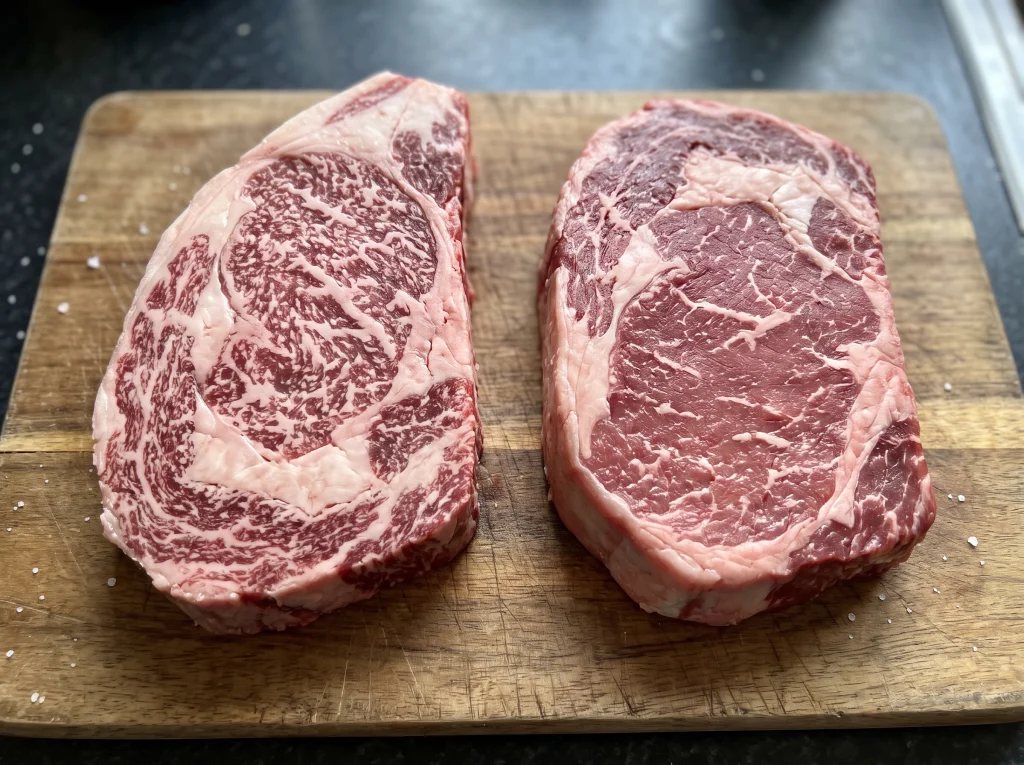
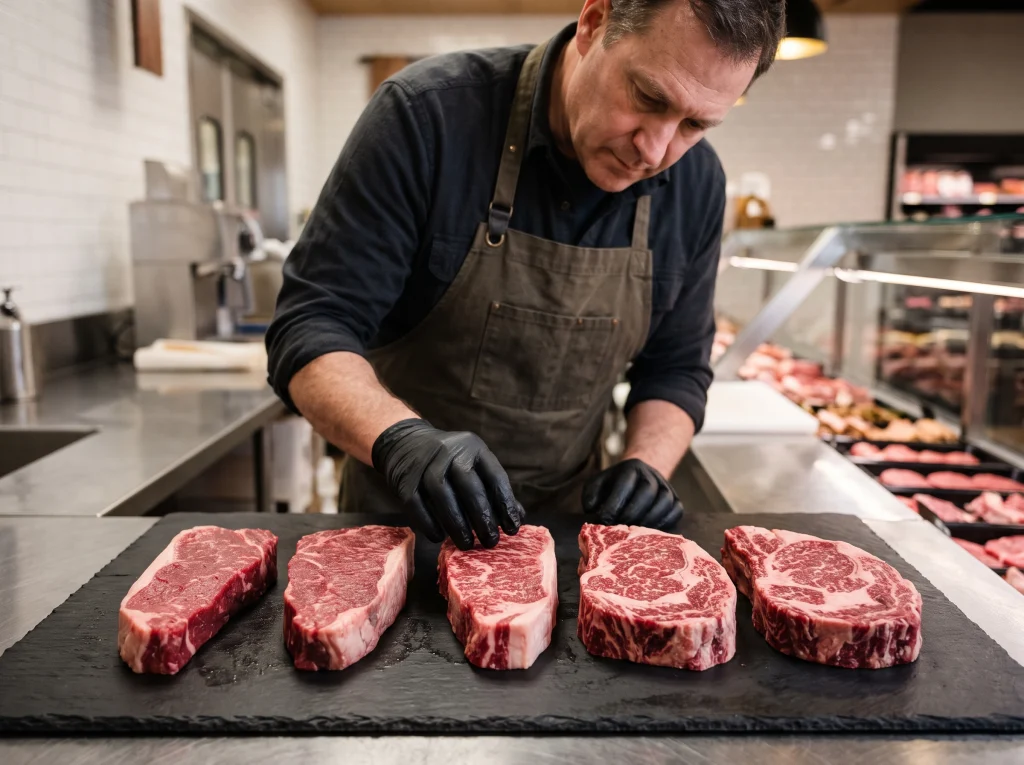
Marbling is the most noticeable difference between Prime and Choice beef. Prime must meet a higher minimum marbling standard, while Choice includes beef with a broader range of marbling levels.
More marbling often contributes to a juicier, richer eating experience. However, visible fat is not the only factor that determines whether a steak turns out tender. The muscle, cut, preparation, and cooking temperature also matter.
2. Tenderness and Juiciness
Prime beef often has an advantage in perceived tenderness and juiciness because of its higher marbling. This difference can be especially noticeable when comparing similar steaks cooked using the same method.
However, Choice beef can also be tender and juicy. A well-prepared Choice strip steak may be more enjoyable than an overcooked Prime steak. Selecting a naturally tender cut and avoiding overcooking can make a substantial difference.
3. Flavor
Prime beef often delivers a richer flavor because its marbling adds fat to the eating experience. Some people enjoy this buttery quality, particularly in ribeye steaks.
Choice beef has a pronounced beef flavor that many people prefer. If you like a steak with less richness or want to save money while still enjoying a quality cut, Choice may suit you better.
4. Price and Value
Prime beef generally costs more than comparable Choice beef, although actual prices depend on the store, cut, location, season, and current supply.
For a special dinner, the additional cost of Prime ribeye or strip steak may be worthwhile. For regular family meals, Choice can offer better value, especially when the cooking method suits the cut.
Instead of choosing by grade alone, compare the price per pound, the amount of visible marbling, and the intended recipe before purchasing.
Which Is Better, Prime or Choice Beef?
Prime is often the better choice if you want a richly marbled steak for grilling, a celebration, or a premium restaurant-style meal. Choice is often the better choice if you want quality beef at a more manageable price for everyday cooking.
Neither grade is automatically the best for every recipe. A tender, well-marbled Choice ribeye may be ideal for grilling, while a Choice chuck roast may be the right purchase for a slow-cooked Sunday dinner.
Use these general guidelines when deciding:
- Choose Prime for a premium steak, a special occasion, or a richer, more marbled eating experience.
- Choose Choice for everyday steaks, family cookouts, and meals where value matters.
- Compare the actual cuts when deciding between two packages because marbling and cut characteristics can vary.
- Match the grade to the recipe rather than paying more for Prime when the extra marbling will not make a meaningful difference to your dish.
Your cooking skills matter, too. Correct seasoning, suitable heat, proper cooking time, and resting the steak after cooking all contribute to a satisfying result.
Which Cuts of Beef Should You Buy?
The best beef grade depends partly on the cut you plan to prepare. Some cuts are naturally tender, while others contain more connective tissue and benefit from slow cooking.
Ribeye Steak
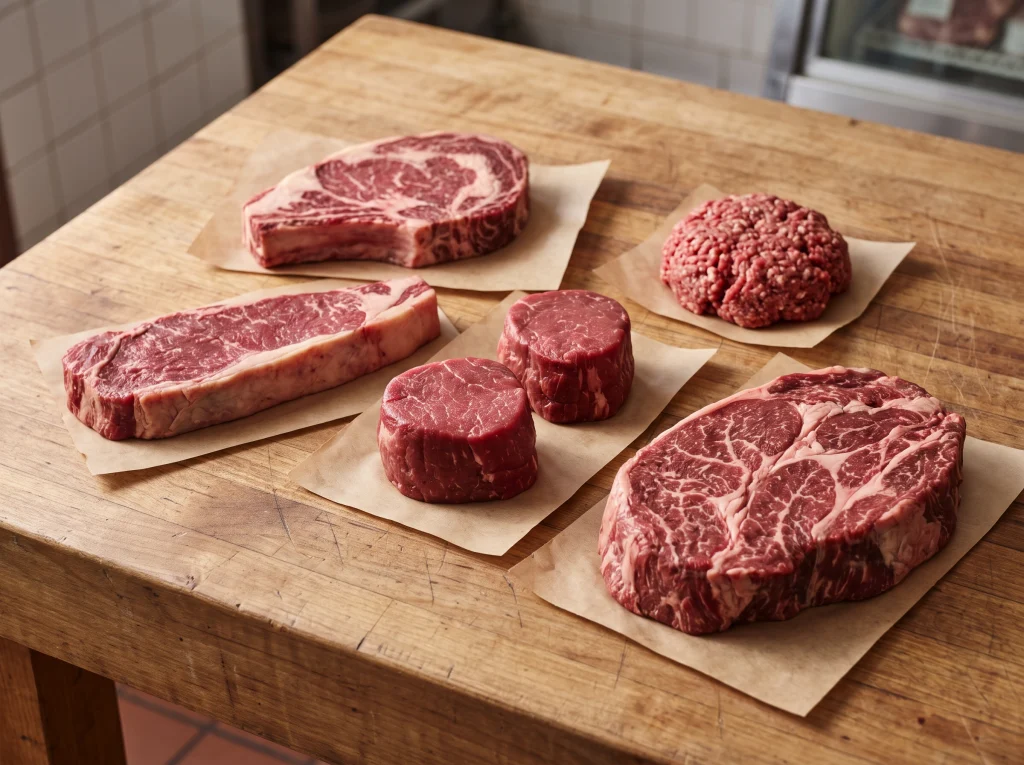
Ribeye is one of the best cuts for comparing Prime and Choice beef. Prime ribeye typically has more marbling, creating a rich flavor and juicy texture when grilled or pan-seared. Choice ribeye is also an excellent option if you want a flavorful steak at a lower price.
Best choice: Prime for a richer steak, or Choice for everyday grilling.
New York Strip Steak
New York strip steak comes from the short loin and is known for its firm texture and satisfying beef flavor. Prime strip steak can offer additional richness, while Choice strip steak provides a good balance of tenderness, flavor, and value.
Best choice: Either grade, depending on your budget and preferred level of marbling.
Tenderloin and Filet Mignon
Tenderloin is naturally tender and generally leaner than ribeye. Because it has less marbling than many other premium cuts, choosing Prime does not necessarily create the same noticeable difference that it might in a ribeye.
Best choice: Choice can be an excellent value for tenderloin, while Prime is worth considering if you prefer additional richness.
Chuck Roast
Chuck roast comes from the shoulder area and contains connective tissue that benefits from slow cooking. Both Prime and Choice chuck roast can work well in pot roast recipes, stews, and braised dishes.
Best choice: Choice for an affordable family meal, provided you cook it long enough to become tender.
Brisket
Brisket is a popular choice for barbecue, smoking, and slow cooking. Its final texture depends on the amount and distribution of fat, the structure of the cut, cooking temperature, and time.
Prime brisket may offer more marbling, which can be beneficial during a long smoking session. Choice brisket can also produce excellent results when properly prepared.
Best choice: Prime for additional marbling or Choice for a more budget-conscious barbecue.
How to Choose Between Prime and Choice at the Grocery Store
Choosing beef at a supermarket involves more than reading the grade on the package. The cut, visible marbling, freshness, and intended cooking method all deserve attention.
Follow these steps when shopping:
- Check the USDA grade. Look for the official USDA Prime or USDA Choice designation on the package or display.
- Compare marbling. Within the same cut, look for fine white streaks distributed throughout the lean meat rather than relying only on a thick layer of external fat.
- Consider the cut. Ribeye and strip steaks are good candidates for grilling, while chuck roast and brisket are well suited to slow cooking.
- Compare the price per pound. Calculate whether the additional cost of Prime is worthwhile for the meal you are planning.
- Check the packaging. Choose packages that are properly sealed and kept refrigerated, and follow the product’s storage instructions.
- Plan your cooking method. Match the cut to the technique so that you get the best possible texture and flavor from your purchase.
If you are buying beef for a special dinner, Prime may be worth the additional cost. If you are preparing meals for several people, Choice can help you manage your grocery budget without sacrificing quality.
Is Prime Beef Worth the Extra Cost?
Prime beef can be worth the extra money when marbling is an important part of the meal. For example, if you are grilling ribeye steaks for a birthday dinner, the additional richness of Prime may make the meal more enjoyable.
However, paying more does not guarantee a better result. A poorly cooked Prime steak can become dry or tough, while a carefully prepared Choice steak can be tender and flavorful.
The cooking method also matters. Prime’s extra marbling may be particularly appealing for high-heat cooking, but slow-cooked dishes often depend more on the cut, connective tissue, moisture, and cooking time than on choosing the highest quality grade.
Consider these situations:
| Situation | Recommended option | Reason |
|---|---|---|
| Special occasion steak dinner | Prime | More marbling and a richer eating experience |
| Everyday grilled steak | Choice | Quality and value |
| Family pot roast | Choice | Often a practical choice for slow cooking |
| Premium ribeye dinner | Prime | Greater marbling may improve richness and juiciness |
| Tenderloin or filet mignon | Choice or Prime | Tenderness is already a major characteristic of this cut |
| Smoked brisket | Choice or Prime | Both can work well, depending on marbling and preparation |
| Grocery shopping on a budget | Choice | Usually costs less than the comparable Prime cut |
Prices vary by retailer, region, and cut, so compare current prices rather than assuming the difference will always be the same.
Common Misunderstandings About USDA Beef Grades
Understanding what beef grades measure can help you avoid common shopping mistakes.
Prime Does Not Mean the Beef Is Automatically Safe
USDA beef quality grades and food safety inspection serve different purposes. Federal inspection for wholesomeness is mandatory, while USDA quality grading is voluntary and provided as a separate service.
Prime describes a quality grade, not a guarantee that meat is free from harmful bacteria. Proper refrigeration, handling, and cooking remain important regardless of whether the beef is Prime or Choice. Ask USDA
Choice Does Not Mean Average or Low-Quality Beef
Choice is a high-quality grade, not a label for inferior meat. Many Choice steaks are tender, juicy, and flavorful, particularly when they come from naturally tender cuts and are cooked properly.
The difference between a good Choice steak and a good Prime steak may be less important to some people than the cut, seasoning, cooking technique, and personal taste.
Quality Grade Is Different From Yield Grade
The USDA uses separate systems to describe beef quality and yield.
Quality grade relates to characteristics associated with eating quality, including tenderness, juiciness, and flavor. Yield grade estimates the proportion of closely trimmed, boneless retail cuts that can be obtained from a carcass.
Yield grades range from 1 to 5, with Yield Grade 1 generally indicating the highest expected cutability. These numbers should not be confused with the Prime, Choice, and Select quality grades. Agricultural Marketing Service
Prime Is Not Always the Best Option for Every Recipe
A high quality grade does not eliminate the need to choose the right cut. A Prime chuck roast still needs appropriate cooking to become tender, while a Choice tenderloin can be naturally tender without having the highest level of marbling.
For the best results, consider both the grade and the cut before deciding what to buy.
Frequently Asked Questions:
Conclusion
When choosing Prime or Choice beef, the biggest difference is the amount of marbling and the richer eating experience that Prime often provides. Prime is a strong option for premium steaks and special occasions, while Choice offers excellent quality and value for everyday meals.
For most shoppers, the smartest approach is to match the beef grade to the cut, recipe, and budget. If you enjoy a rich, buttery steak, Prime may be worth the extra cost. If you want flavorful beef without spending as much, Choice can be an excellent choice.