Line or Load? Meaning, Differences, and Correct Usage
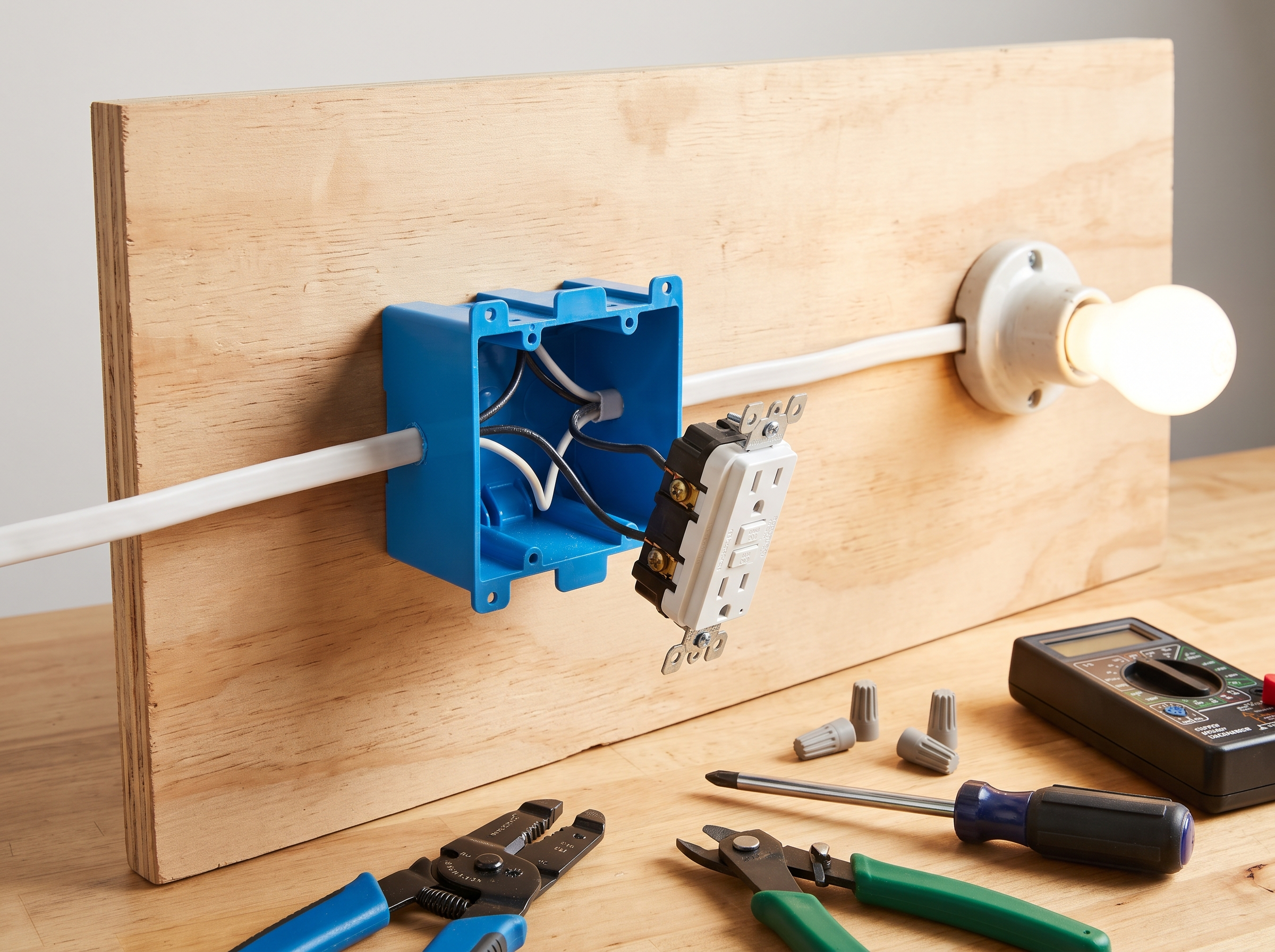
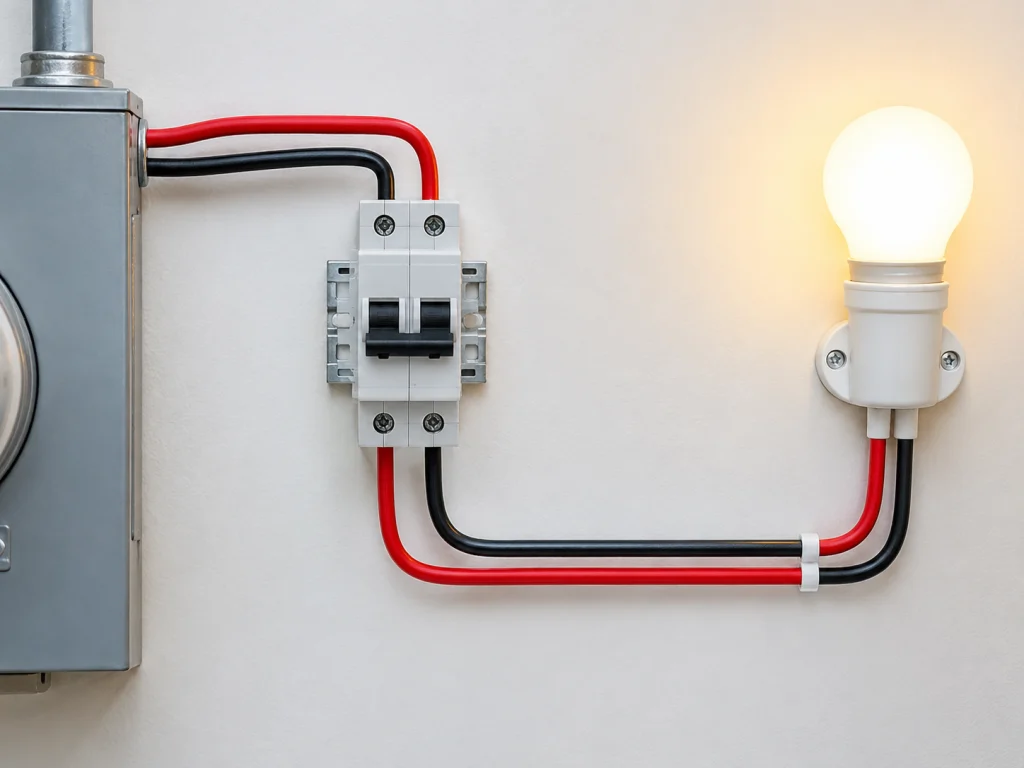
When working with electrical wiring, line and load refer to two different sides of an electrical connection. The line side receives power from the electrical supply, while the load side delivers power to a connected device or to other equipment downstream. Understanding the difference is especially important when installing ground-fault circuit interrupter (GFCI) outlets, arc-fault circuit interrupter (AFCI) devices, switches, and other electrical equipment.
Although the terms sound similar, line and load are not interchangeable on devices with specifically designated terminals. Connecting wires to the wrong terminals can prevent a device from working correctly or compromise its intended protection. This guide explains what line and load mean, how they differ, and what homeowners should know about identifying them safely.
What Does Line Mean in Electrical Wiring?
In electrical wiring, line refers to the incoming side of a device that receives electrical power from the supply. In a typical U.S. home, the incoming power ultimately comes from the electrical service panel through the branch circuit supplying the device.
For example, when electricity reaches a GFCI receptacle from the circuit breaker, the incoming conductors connect to the terminals marked LINE, following the manufacturer’s wiring diagram.
The line side is sometimes called the supply side or input side. It provides the electricity that the device uses or controls.
Line connections commonly appear on:
- GFCI receptacles used in kitchens, bathrooms, garages, and outdoor areas.
- AFCI receptacles and other protective devices.
- Certain switches and electronic controls.
- Electrical equipment with clearly designated input and output terminals.
The exact terminal arrangement depends on the device. Always use the manufacturer’s instructions rather than assuming that a particular screw position indicates the line connection.
leviton.com+1
What Does Load Mean in Electrical Wiring?
In electrical wiring, load refers to the side that supplies power to a connected device, circuit, or piece of equipment. On a GFCI receptacle, the LOAD terminals can send protected power to other outlets connected downstream.
For example, one GFCI receptacle may protect itself and several properly connected downstream receptacles. The incoming supply connects to LINE, while the outgoing conductors for those additional receptacles connect to LOAD when the device is designed and configured for that purpose.
The word load also has a broader electrical meaning. A light bulb, refrigerator, television, or electric motor is an electrical load because it consumes electrical energy. In a terminal-labeling context, however, LOAD identifies the outgoing connection side of a particular device.
Load connections are commonly relevant to:
- Downstream receptacles protected by a GFCI.
- Circuits connected through certain protective devices.
- Equipment connected to the output terminals of a control or power device.
- Electrical systems in which the manufacturer identifies separate supply and load terminals.
Not every electrical device has separate terminals labeled LINE and LOAD. Their presence and function depend on the device’s design.
Line vs. Load: Key Differences
The main difference between line and load is the direction of power flow relative to the device.
| Feature | Line | Load |
|---|---|---|
| Basic meaning | Incoming power side | Outgoing power side |
| Common label | LINE | LOAD |
| Power direction | Into the device | Out of the device toward connected equipment |
| Typical GFCI connection | Incoming supply conductors | Conductors feeding downstream outlets |
| Main purpose | Supplies electricity to the device | Supplies connected equipment |
| Wiring concern | Must connect to the correct input terminals | Must connect to the correct output terminals when used |
For example, consider a bathroom receptacle protected by a GFCI. The cable supplying power from the electrical panel connects to the LINE terminals. If the GFCI also protects another receptacle farther along the circuit, the outgoing cable may connect to the LOAD terminals according to the device instructions.
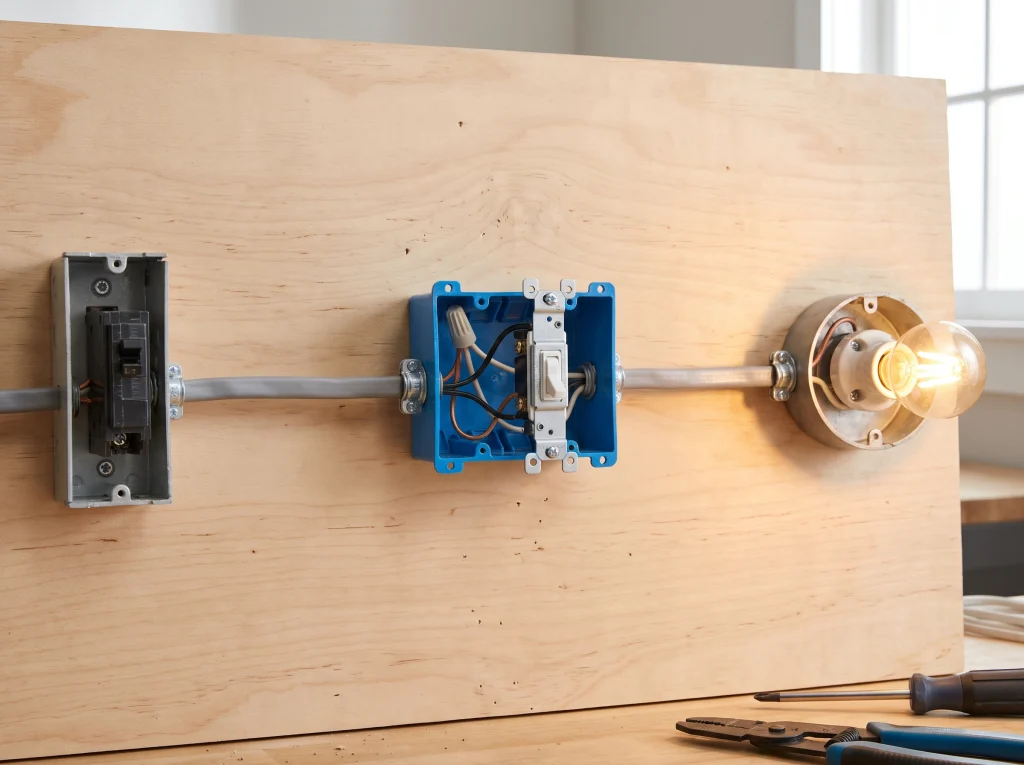
The distinction matters because a protective device must be wired correctly to provide its intended protection.
Fine Homebuilding+1
How to Identify Line and Load Wires
Identifying line and load requires more than looking at wire colors. In many U.S. residential circuits, black insulation commonly identifies a hot conductor and white insulation commonly identifies a neutral conductor, but these colors do not tell you by themselves whether a cable is the incoming line or outgoing load. Wiring arrangements can vary, and older or modified installations may not follow expected conventions.
The following principles can help explain the identification process.
1. Check the device labels
Look for markings such as LINE, LOAD, HOT, WHITE, or the manufacturer’s wiring diagram. These labels identify the intended connection points, but you must still determine which cable is the supply and which, if any, feeds downstream equipment.
2. Consult the manufacturer’s instructions
Manufacturers may place LINE and LOAD terminals in different positions. Some GFCI receptacles cover the LOAD terminals with a warning sticker until they are needed. Other devices use different terminal arrangements or electronic safety features.
Never assume that the upper terminals are LINE and the lower terminals are LOAD without checking the model’s instructions.
leviton.com+1
3. Understand the circuit layout
The line cable brings power to the device. A load cable carries power onward to other equipment or outlets when connected through the device.
A box may contain multiple cables, and their purpose cannot always be established reliably from appearance alone. If the wiring is unclear, a qualified electrician can identify the conductors using appropriate test equipment and safe procedures.
4. Do not rely on wire color alone
A black wire does not automatically mean line, and a white wire does not automatically mean load. These colors generally indicate conductor roles in common residential wiring, not whether the cable is incoming or outgoing.
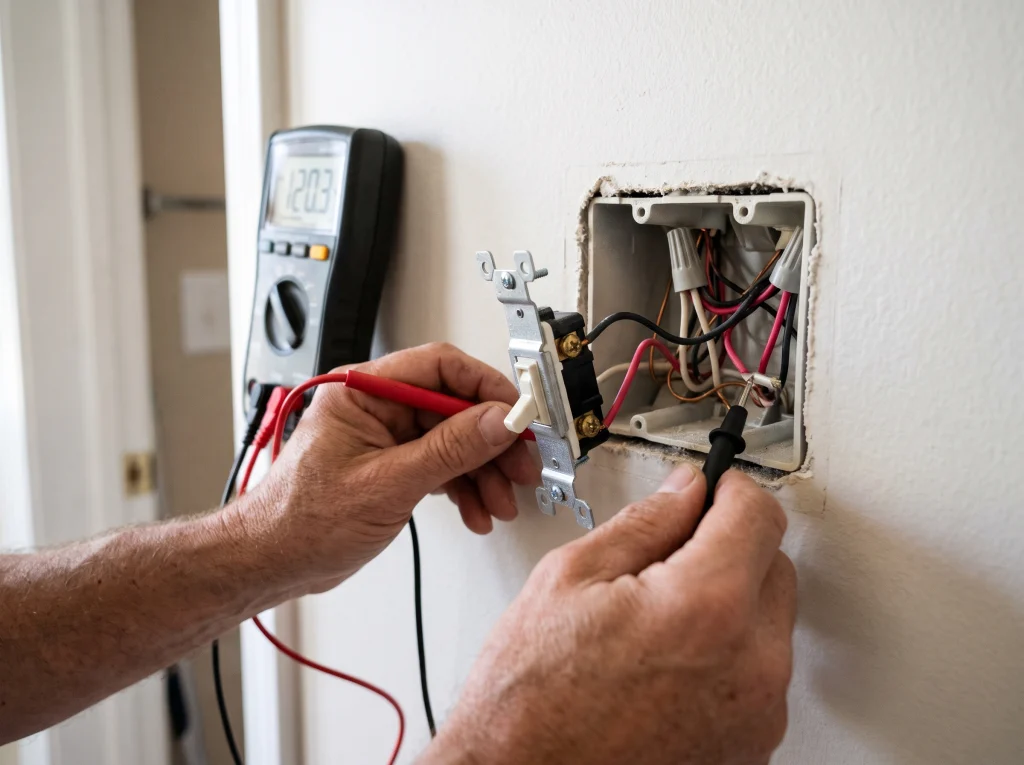
Never handle exposed conductors or attempt to identify energized wires by touching them. Electrical testing should be performed only by someone qualified to do so safely.
Where Are Line and Load Terminals Used?
Line and load terminology appears in several types of electrical equipment, but the exact meaning depends on the device.
GFCI receptacles
A ground-fault circuit interrupter (GFCI) helps protect people from electric shock by interrupting power when it detects a ground fault. GFCI protection is commonly required in certain locations under applicable electrical codes.
On a GFCI receptacle, LINE receives incoming power. LOAD can supply downstream receptacles so they receive GFCI protection when the device is correctly wired and designed for that configuration.
If line and load connections are reversed, the receptacle may fail to operate or provide the intended protection. Some newer models prevent the device from being energized when they detect this mistake.
leviton.com+1
AFCI devices
An arc-fault circuit interrupter (AFCI) is designed to detect certain dangerous electrical arcing conditions that could cause fires. Some AFCI receptacles have separate LINE and LOAD terminals.
The incoming supply connects to LINE, while outgoing conductors connect to LOAD when required by the wiring design. Incorrect connections can prevent the device from resetting or functioning as intended.
Always follow the specific AFCI manufacturer’s installation and testing instructions.
leviton.com+1
Switches and other electrical equipment
Some switches and electronic controls distinguish between incoming supply connections and outgoing connections to a controlled load. For example, an electronic lighting control may receive power at its supply terminal and deliver controlled power to a light fixture.
However, conventional switches do not all use the same LINE and LOAD terminal arrangement. Check the device’s wiring diagram before making assumptions.
Common Line and Load Wiring Mistakes
Incorrect wiring can cause electrical devices to malfunction or fail to provide their intended protection. These are some common mistakes to avoid.
Reversing line and load connections: Connecting the incoming supply to LOAD and outgoing conductors to LINE can prevent a protective device from operating properly.
Assuming wire colors identify line and load: Wire color can help identify conductor functions, but it does not reliably establish the direction of power flow through a device.
Using the wrong terminals: Connecting a neutral conductor to a hot terminal, or a grounding conductor to an inappropriate terminal, can create a dangerous wiring condition.
Ignoring manufacturer instructions: Different devices may have different terminal layouts, wiring requirements, and testing procedures. Instructions for one model should not automatically be applied to another.
Failing to test a protective device: A correctly installed GFCI or AFCI should be tested according to the manufacturer’s instructions. A device that will not reset or fails its prescribed test needs further investigation.
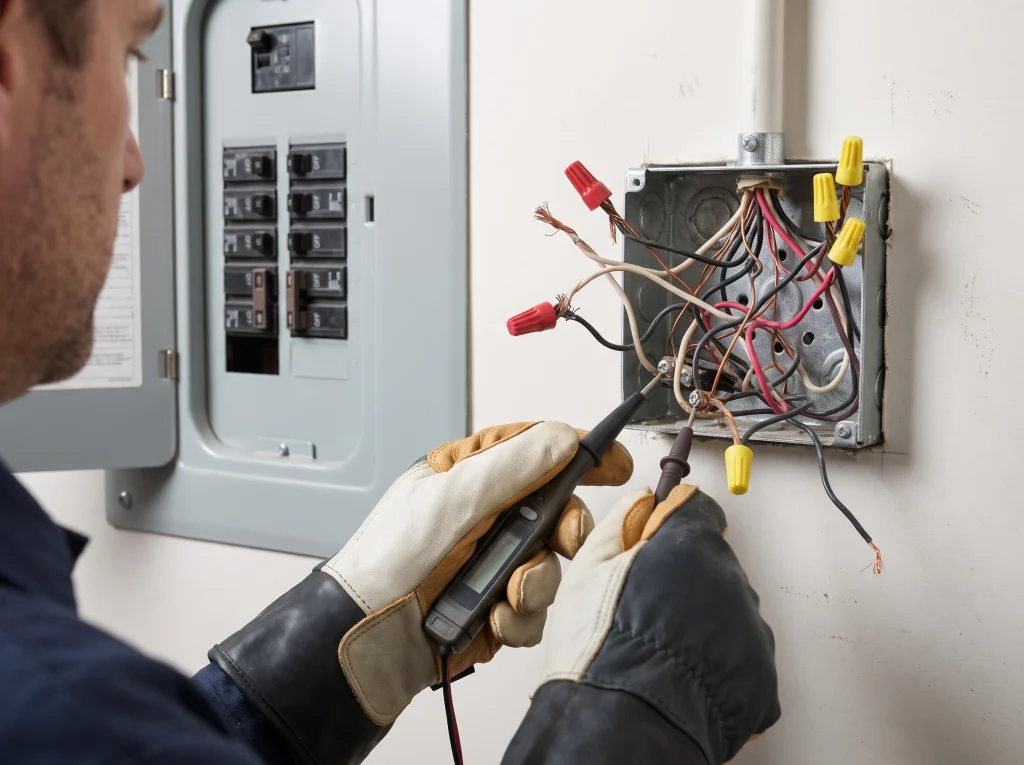
If a protective device does not work as expected, stop using the affected installation until the problem has been assessed and corrected.
leviton.com+2
Safety Tips When Working With Electrical Wiring
Electrical wiring can cause serious injury, fire, or death when handled incorrectly. Before any electrical work, consider these safety principles:
- Turn off the correct circuit breaker before work begins.
- Verify that power is absent using an appropriate tester and safe testing procedures. Do not rely solely on a switch being off.
- Follow the exact wiring diagram supplied with the device.
- Never assume that a conductor is safe based on its color or apparent position.
- Follow applicable electrical codes and local permitting requirements.
- Contact a qualified electrician if the wiring is unfamiliar, damaged, or difficult to identify.
In the United States, electrical requirements can depend on the adopted edition of the National Electrical Code (NEC), state and local amendments, and the authority having jurisdiction. Requirements are not necessarily identical in every city or state.
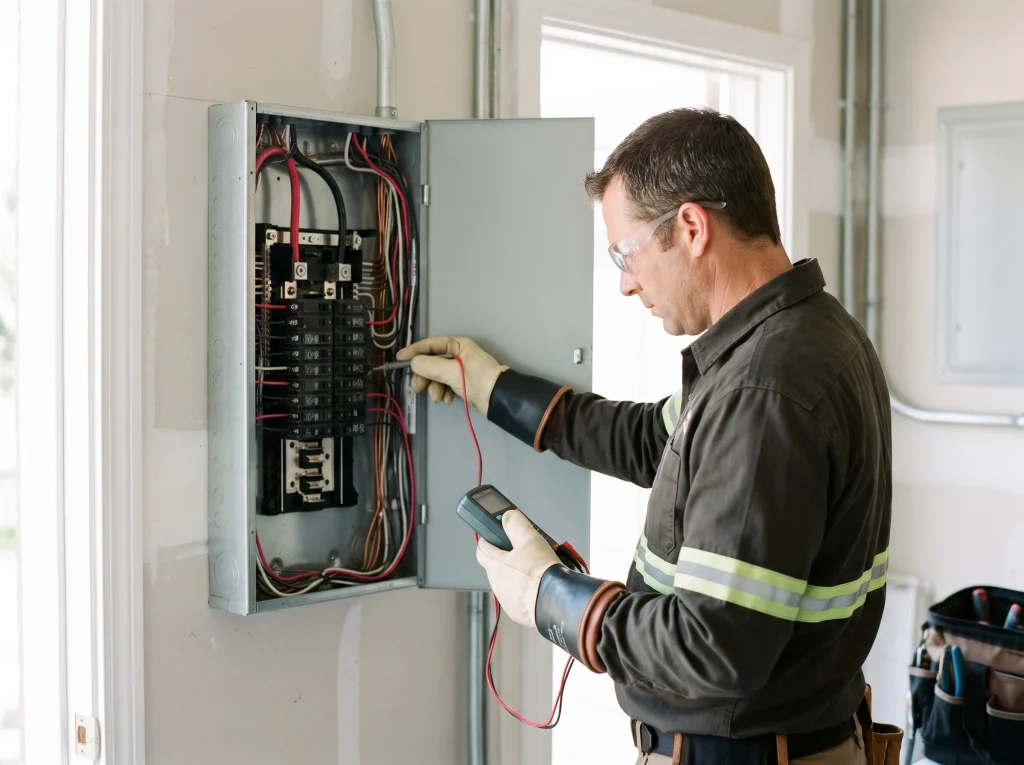
Homeowners should not attempt unfamiliar live-wire testing or make connections based on guesswork. If you cannot confidently identify the incoming supply and outgoing conductors, leave the work to a qualified electrician.
Frequently Asked Questions:
Conclusion
The difference between line and load is straightforward: line brings electrical power into a device, while load refers to the outgoing side that supplies connected equipment. This distinction is especially important when working with GFCI and AFCI receptacles, where incorrect connections can affect the device’s operation and protective function.