Unicorn Idioms: Magical Expressions, Meanings, and Examples
Unicorns have long captured people’s imaginations with their magical appearance, colorful designs, and connection to fantasy. In stories, art, and popular culture, these mythical creatures often represent beauty, wonder, hope, and something extraordinarily rare. Their symbolism has also inspired playful expressions that people use when talking about dreams, individuality, special opportunities, and remarkable experiences.
Unicorn idioms are particularly appealing to English learners, teachers, students, writers, and anyone who enjoys creative language. Some expressions use unicorns as symbols of rarity or uniqueness, while others draw on their magical reputation to describe something wonderful or seemingly impossible. Although many unicorn expressions are modern, informal, or imaginative rather than traditional English idioms, they can still add personality and color to everyday communication.
In this guide, you will learn the meanings of common unicorn related expressions, see how they work in example sentences, and understand when to use them naturally. Whether you are writing a story, creating a classroom activity, or simply looking for a fun way to describe something extraordinary, these expressions can help you communicate with imagination and clarity.
What Are Unicorn Idioms?
Unicorn idioms are expressions that use the image or symbolism of a unicorn to communicate an idea beyond the creature itself. They often suggest rarity, uniqueness, magic, hope, beauty, or something difficult to find.
It is useful to distinguish between established English idioms and creative unicorn expressions. Traditional idioms such as “once in a blue moon” have widely recognized figurative meanings. By contrast, many unicorn phrases are modern metaphors, playful comparisons, or context dependent expressions rather than fixed idioms found in every dictionary.
For example, calling someone “a unicorn” can suggest that the person is unusually special or difficult to find. Describing an opportunity as “a unicorn opportunity” can communicate that it is exceptionally rare. These meanings depend on context, so readers should interpret the expression according to how it is used.
Idioms About Trees: https://learnidioms.com/idioms-about-trees/
Common Unicorn Idioms and Expressions With Meanings and Examples
The following expressions are useful for creative writing, casual conversation, social media captions, and discussions about extraordinary people or experiences. Some are recognizable modern metaphors, while others are imaginative phrases that can be understood from their wording.
| Unicorn expression | Meaning | Example sentence |
|---|---|---|
| A unicorn | A person or thing that is exceptionally rare or special | Our new neighbor is a unicorn because she speaks five languages and plays three instruments. |
| A unicorn in a field of horses | Someone or something noticeably different from others | With her original ideas, Maya felt like a unicorn in a field of horses. |
| Chasing unicorns | Pursuing something extremely unlikely or unrealistic | He spent years chasing unicorns instead of making a practical career plan. |
| A unicorn opportunity | An unusually rare and valuable opportunity | The scholarship was a unicorn opportunity for the aspiring artist. |
| A unicorn among ordinary things | Something that stands out because of its unusual qualities | That little bookstore is a unicorn among ordinary shopping centers. |
| Magical as a unicorn | Wonderfully imaginative or enchanting | The children’s story was magical as a unicorn. |
| A unicorn dream | An imaginative or ambitious dream that seems difficult to achieve | Opening a theater in her hometown was her unicorn dream. |
| A rare unicorn | An exceptionally uncommon person, object, or situation | Finding an apartment with that much space at that price felt like finding a rare unicorn. |
| Unicorn magic | A playful way to describe an extraordinary or seemingly magical effect | A little creativity and unicorn magic transformed the classroom decorations. |
| A unicorn moment | A special or unusually fortunate experience | Seeing the northern lights on our first night was a unicorn moment. |
These expressions work best when the surrounding sentence makes the intended meaning clear. In professional writing, it may be more appropriate to use direct descriptions such as “rare opportunity” or “exceptionally unusual candidate.” In casual conversation, unicorn language can make the same ideas feel more playful and memorable.
Unicorn Expressions About Uniqueness and Individuality
Unicorns are often used as symbols of individuality because they stand apart from ordinary animals in popular fantasy imagery. This makes unicorn comparisons useful when describing people who have unusual talents, distinctive personalities, or an original approach to life.
1. A unicorn in a field of horses
Meaning: Someone who stands out among people who seem similar in a particular setting.
Example: In a group of experienced accountants, Jordan was a unicorn because he also created award winning animated films.
This expression can be used affectionately to celebrate individuality. It should not suggest that other people are less valuable simply because they are different.
2. A unicorn among ordinary things
Meaning: A person or object with qualities that make it unusually memorable.
Example: The tiny family owned bakery was a unicorn among large commercial stores because every pastry was made by hand.
The phrase is useful when describing distinctive businesses, creative projects, or experiences that feel different from the usual options.
3. A rare unicorn
Meaning: Someone or something that is difficult to find because of a particular combination of qualities.
Example: A reliable contractor who communicates clearly and finishes every project on time can feel like a rare unicorn.
This expression is common in informal descriptions, especially when someone wants to emphasize how unusual a combination of desirable qualities seems.
Unicorn Expressions About Hope, Dreams, and Imagination
Unicorns are closely associated with fantasy and magic, making them natural symbols for imaginative ideas and hopeful ambitions. These expressions can bring a lighthearted tone to conversations about creativity, personal goals, and wonderful experiences.
4. Chasing unicorns
Meaning: Trying to achieve something that may be unrealistic, unavailable, or extremely difficult to obtain.
Example: Instead of applying for realistic jobs, he kept chasing unicorns that required experience he did not have.
The phrase can be humorous, but it can also express concern about spending too much time pursuing an impractical goal. Context determines whether it sounds encouraging or critical.
5. A unicorn dream
Meaning: A highly imaginative or ambitious personal dream.
Example: Her unicorn dream was to write a bestselling fantasy novel and see it adapted into a movie.
This is a creative expression rather than a fixed traditional idiom. It can work well in personal essays, informal discussions, and imaginative writing.
6. Unicorn magic
Meaning: A playful expression for something that seems wonderful, surprising, or almost magical.
Example: The volunteers added a little unicorn magic to the school fair with colorful decorations and handmade games.
This phrase is especially suitable for cheerful settings, children’s activities, party themes, and creative projects.
7. Magical as a unicorn
Meaning: Extremely enchanting, imaginative, or delightful.
Example: The garden looked magical as a unicorn when the tiny lights began glowing after sunset.
This comparison is easy to understand because it draws on the familiar fantasy image of unicorns. It is most appropriate in expressive or informal language.
Unicorn Expressions About Rare Opportunities and Extraordinary Things
Unicorn imagery is also useful when describing something that is exceptionally uncommon. In business, everyday conversation, and personal storytelling, people sometimes use the word “unicorn” to emphasize that a person, opportunity, or discovery is difficult to find.
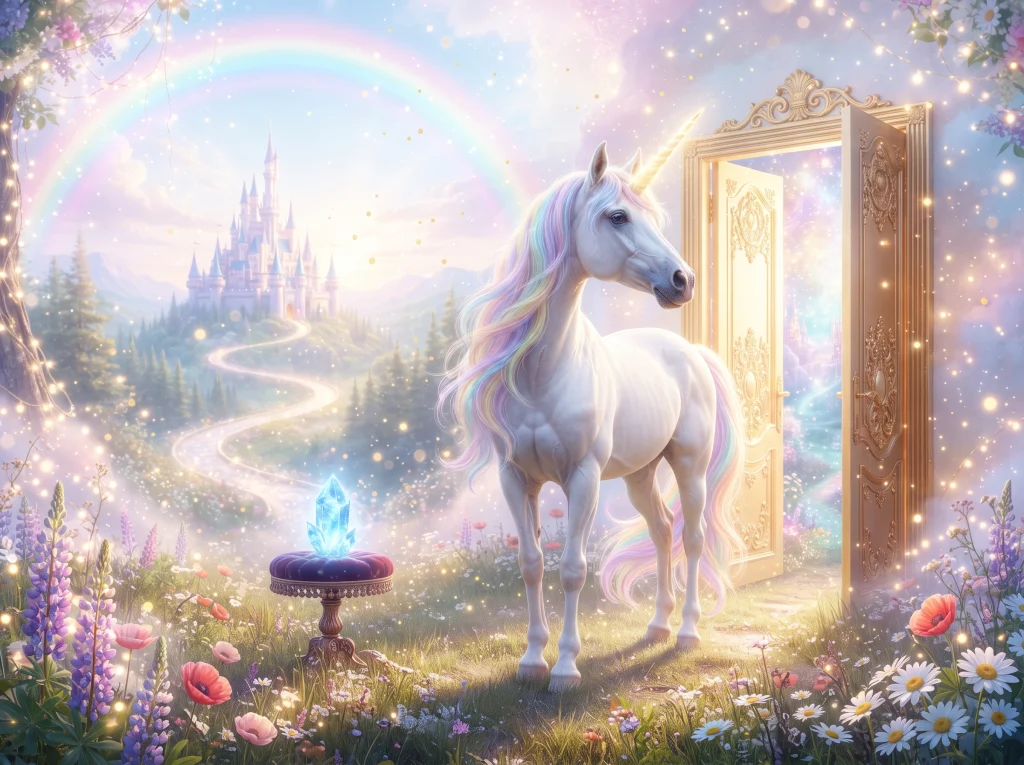
8. A unicorn opportunity
Meaning: An opportunity that is unusually rare, valuable, or difficult to encounter.
Example: Getting a fully funded scholarship at her preferred university was a unicorn opportunity.
The expression emphasizes how special an opportunity feels. It is informal, so a phrase such as “rare opportunity” may be more suitable in formal applications or reports.
9. A unicorn moment
Meaning: A memorable experience that feels unusually fortunate, special, or extraordinary.
Example: Meeting her favorite author by chance at a neighborhood coffee shop was a unicorn moment.
This phrase can be used for personal stories, travel memories, and unexpected experiences that feel almost too wonderful to be real.
10. A unicorn among ordinary things
Meaning: Something that stands out because it has qualities that are rarely found elsewhere.
Example: The old record store was a unicorn among ordinary shops because it carried music from artists nobody else stocked.
This expression can help a writer highlight originality without needing a long explanation.
11. A rare unicorn
Meaning: An unusually uncommon find or combination of characteristics.
Example: A used car with low mileage, a clean service history, and an affordable price was a rare unicorn.
Although “rare unicorn” is somewhat repetitive because unicorns already symbolize rarity, the repetition can add emphasis in casual or humorous writing.
Are Unicorn Idioms Used in Everyday English?
Yes, unicorn related expressions appear in informal English, particularly in conversations about unusual people, rare finds, fantasy, and extraordinary opportunities. However, not every phrase containing “unicorn” is a standard idiom.
The word also has a specific modern business meaning. In startup terminology, a unicorn company is a privately held startup valued at $1 billion or more. This is a business term, not simply a poetic expression about something magical. Its meaning comes from the rarity historically associated with companies reaching that valuation.
In everyday speech, someone might say, “We found a unicorn apartment,” meaning that the apartment has an unusually desirable combination of features. In a business discussion, however, “unicorn startup” usually refers to the company’s valuation category.
Understanding the context helps you avoid confusion between fantasy imagery, casual metaphors, and specialized terminology.
How to Use Unicorn Expressions Naturally
Unicorn expressions can make language more vivid, but they work best when they fit the audience and situation. Follow these practical tips to use them effectively.

1. Choose the expression that matches your meaning
Use “a unicorn opportunity” when emphasizing rarity, “chasing unicorns” when discussing an unrealistic pursuit, and “unicorn magic” when describing something playful or enchanting.
Example: “Finding a quiet beach with no crowds during peak season felt like finding a unicorn.”
The comparison communicates that the experience was unusually difficult to find.
2. Make the context clear
Because many unicorn phrases are creative metaphors, readers may not recognize them as established idioms. Provide enough information for the intended meaning to be understood.
Example: “Our team finally found a unicorn candidate: someone with the technical skills we needed and experience in our exact industry.”
The explanation after the colon makes the figurative meaning clear.
3. Match the tone to your audience
Unicorn expressions generally suit casual conversation, creative writing, entertainment, and playful marketing. They may feel too informal for legal documents, academic papers, or highly technical reports.
For a formal sentence, write:
“The company identified an exceptionally rare investment opportunity.”
For a more playful sentence, write:
“The company finally found its unicorn opportunity.”
Both communicate rarity, but the tone is different.
4. Avoid using too many magical expressions together
A single well placed metaphor can make a sentence memorable. Several similar expressions in a short paragraph can make writing feel repetitive or overly whimsical.
Instead of describing something as a unicorn dream, unicorn moment, unicorn opportunity, and unicorn magic all at once, choose the one that communicates the central idea most clearly.
5. Remember that unicorn comparisons are not always compliments
Calling someone a unicorn can be positive when it celebrates a rare combination of talents. However, describing someone as unusual or different can sound dismissive if the surrounding language is negative.
Think about the meaning your reader is likely to take from the comparison before using it to describe a person.
FAQ About Unicorn Idioms
Conclusion
Unicorn idioms and expressions offer a playful way to talk about uniqueness, hope, imagination, rare opportunities, and extraordinary experiences. Some, such as calling someone “a unicorn,” are recognizable modern metaphors, while others are creative expressions whose meanings become clear through context.
Whether you are describing a rare opportunity, celebrating someone’s individuality, or sharing a moment that felt almost magical, unicorn expressions can make your words more colorful and memorable.






One Comment