30+ Drink Idioms: Meanings, Examples, and Common Expressions in English
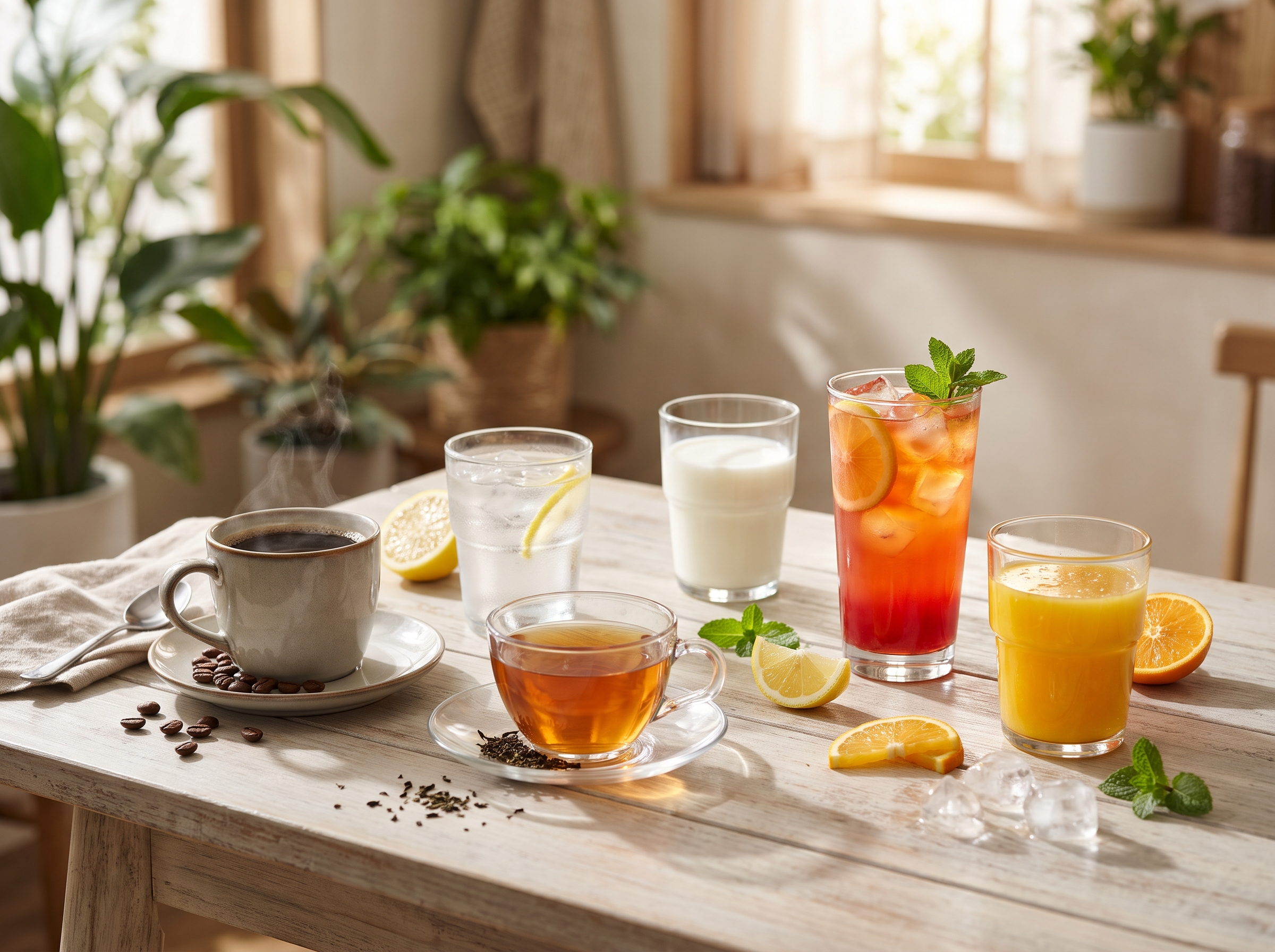
Drink idioms are common English expressions that use words related to beverages, drinking, and refreshments to communicate ideas beyond their literal meanings. Expressions such as a storm in a teacup, spill the tea, not my cup of tea, and drink like a fish appear in everyday conversations, books, movies, and informal American English.
Some drink idioms describe gossip, personality, emotions, or social situations, while others express agreement, disagreement, or unexpected problems. Learning these expressions can help English learners understand native speakers and communicate more naturally.

This guide covers more than 30 drink-related idioms, including their meanings, example sentences, and practical ways to use them in everyday conversations.
What Are Drink Idioms?
Drink idioms are figurative expressions that contain words associated with beverages, such as tea, coffee, water, milk, or alcohol. Their meanings are usually different from the literal meanings of the individual words.
For example, when someone says, “That’s not my cup of tea,” they are not necessarily talking about tea. They mean that something does not match their interests or preferences.
Similarly, “spill the tea” means to share gossip or interesting information, not to accidentally pour a drink.
Drink idioms are especially common in informal conversations, although some expressions are also appropriate in professional or written English.
Common Drink Idioms and Their Meanings
The following drink idioms are useful in everyday American English. Some describe personal preferences, while others refer to gossip, mistakes, difficult situations, or social behavior.
1. Not My Cup of Tea
Meaning: Something that someone does not enjoy or find interesting.
Example: Horror movies are not my cup of tea because I prefer comedies.
2. Spill the Tea
Meaning: To share gossip, secrets, or interesting information about someone or something.
Example: Everyone wants to know what happened at the party, so spill the tea!
3. A Tempest in a Teapot
Meaning: A small problem that people exaggerate and treat as a major issue.
Example: Their argument about the seating arrangement was just a tempest in a teapot.
Note: Americans commonly use “a tempest in a teapot.” The British expression is “a storm in a teacup.” Cambridge English Dictionary+2
4. Cry Over Spilled Milk
Meaning: To feel upset about something that has already happened and cannot be changed.
Example: You made a small mistake on the application, but there’s no use crying over spilled milk.
5. Throw Cold Water on Something
Meaning: To discourage an idea, plan, or suggestion by expressing negativity.
Example: I was excited about starting a small business, but my friend threw cold water on the idea.
6. Drink Like a Fish
Meaning: To consume a large amount of alcohol, often regularly.
Example: Before he decided to stop drinking, he used to drink like a fish.
Usage note: This expression is informal and can sound critical when describing someone’s drinking habits. Cambridge English Dictionary+1
7. Water Under the Bridge
Meaning: Past problems or disagreements that no longer cause anger or concern.
Example: We had a few disagreements in college, but that’s all water under the bridge now.
8. In Hot Water
Meaning: To be in trouble because of something you have done.
Example: Jake got in hot water with his manager after missing an important meeting.
9. Like a Duck to Water
Meaning: To learn a new activity or skill very quickly and naturally.
Example: My sister took to her new teaching job like a duck to water.
10. Water Off a Duck’s Back
Meaning: Criticism or insults that do not upset or affect someone.
Example: Negative comments are like water off a duck’s back to her.
11. Test the Waters
Meaning: To try something carefully or find out how people will react before making a bigger decision.
Example: The restaurant owner decided to test the waters by offering a new breakfast menu for one week.
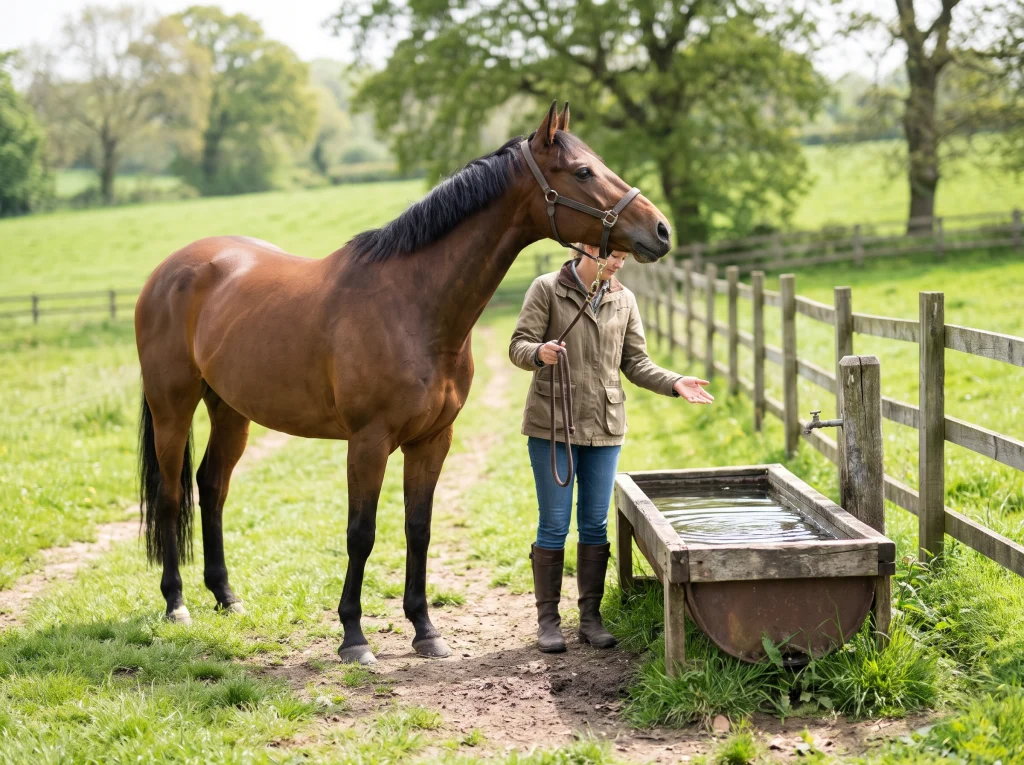
12. You Can Lead a Horse to Water, but You Can’t Make It Drink
Meaning: You can give someone an opportunity or advice, but you cannot force them to accept it.
Example: I’ve offered my brother several English courses, but he refuses to study. You can lead a horse to water, but you can’t make it drink.
13. Dead in the Water
Meaning: Something that has failed or has no realistic chance of succeeding.
Example: Without financial support, their new business proposal was dead in the water.
14. A Fish Out of Water
Meaning: A person who feels uncomfortable or out of place in an unfamiliar situation.
Example: I felt like a fish out of water at my first formal business dinner.
15. Drown Your Sorrows
Meaning: To drink alcohol in an attempt to forget sadness, disappointment, or personal problems.
Example: After losing his job, he went to a bar to drown his sorrows.
16. Drink to Someone’s Health
Meaning: To raise a glass and wish someone good health or happiness.
Example: Everyone raised their glasses to drink to the bride and groom’s health.
17. Bottoms Up!
Meaning: An informal expression encouraging people to finish their drinks.
Example: Everyone lifted their glasses, and the host shouted, “Bottoms up!”
18. Wake Up and Smell the Coffee
Meaning: To recognize the truth about a situation, especially when someone has been ignoring reality.
Example: It’s time to wake up and smell the coffee. The company is losing money every month.
19. Take Something With a Grain of Salt
Meaning: To avoid believing something completely because it may not be accurate or reliable.
Example: Take online celebrity rumors with a grain of salt because many are exaggerated.
20. Milk Something for All It’s Worth
Meaning: To take full advantage of a situation, sometimes for personal benefit.
Example: He kept milking his unexpected success for all it was worth by accepting every interview.
21. Be Like Oil and Water
Meaning: Two people who have very different personalities and do not get along.
Example: My cousins are like oil and water because they disagree about almost everything.
22. Pour Oil on Troubled Waters
Meaning: To calm an argument or difficult situation and help people reach an agreement.
Example: The teacher tried to pour oil on troubled waters when two students started arguing.
23. A Cup of Joe
Meaning: An informal American expression for a cup of coffee.
Example: I usually start my morning with a hot cup of joe.
24. On the Rocks
Meaning: A drink, usually an alcoholic one, served over ice. The expression can also describe a relationship or situation experiencing serious difficulties.
Example: He ordered a glass of whiskey on the rocks.
Another example: Their marriage has been on the rocks for several months.
25. Take the Plunge
Meaning: To make an important decision or do something challenging after thinking about it.
Example: After saving money for two years, she finally took the plunge and opened her own café.
26. Drink Someone Under the Table
Meaning: To drink more alcohol than another person without becoming as intoxicated.
Example: He claimed he could drink everyone under the table, but nobody believed him.

27. Have a Few Too Many
Meaning: To drink more alcohol than is sensible or intended.
Example: Mark had a few too many at the wedding and decided to take a taxi home.
28. Raise a Glass
Meaning: To celebrate or honor someone or something by lifting a drink.
Example: Let’s raise a glass to our team’s hard work and success.
29. Wet Your Whistle
Meaning: To have a drink, especially to satisfy thirst.
Example: We stopped at a small café to wet our whistles after walking around town.
30. Drink Something In
Meaning: To look at, listen to, or enjoy something carefully and take it all in.
Example: She stood on the balcony and drank in the beautiful mountain scenery.
31. As Useful as a Chocolate Teapot
Meaning: Completely useless or unsuitable for its intended purpose.
Example: This broken printer is as useful as a chocolate teapot.
32. You Can’t Make Someone Drink
Meaning: You cannot force another person to accept an opportunity, follow advice, or change their behavior.
Example: I’ve explained the benefits of learning English, but he isn’t interested. You can’t make someone drink.
Note: This is a shortened, conversational variation of “You can lead a horse to water, but you can’t make it drink.”
Idioms About Tea and Coffee
Tea and coffee appear in several familiar English expressions. Some are used to describe personal preferences, while others communicate gossip or the need to recognize reality.
| Idiom | Meaning | Example |
|---|---|---|
| Not my cup of tea | Not something I enjoy | Country music is not my cup of tea. |
| Spill the tea | Share gossip | She finally spilled the tea about the meeting. |
| A tempest in a teapot | An exaggerated minor problem | Their disagreement was a tempest in a teapot. |
| Wake up and smell the coffee | Recognize reality | Wake up and smell the coffee before it’s too late. |
| A cup of joe | A cup of coffee | I’ll grab a cup of joe before work. |
| Tea party | A gathering for drinking tea; sometimes a figurative reference to a social event | The children organized a little tea party. |
In American conversations, “spill the tea” is especially common in informal discussions about celebrities, relationships, and personal news. “Not my cup of tea” is more widely applicable because it can describe almost any preference, from entertainment to food and hobbies.

Idioms About Water and Other Drinks
Water and milk also appear in many figurative expressions. These idioms often describe emotions, mistakes, difficult circumstances, and relationships.
| Idiom | Meaning | Example |
|---|---|---|
| Water under the bridge | Past problems that no longer matter | Our disagreement is water under the bridge. |
| In hot water | In trouble | She is in hot water with her parents. |
| Throw cold water on | Discourage an idea | Don’t throw cold water on his plans. |
| Test the waters | Try something cautiously | We tested the waters before launching the product. |
| Water off a duck’s back | Criticism that has no effect | His insults are water off a duck’s back. |
| Cry over spilled milk | Regret something that cannot be changed | Don’t cry over spilled milk. |
| Milk something for all it’s worth | Take full advantage of something | They milked the opportunity for all it was worth. |
| Pour oil on troubled waters | Calm a disagreement | She tried to pour oil on troubled waters. |
| Dead in the water | Unlikely to succeed | The project was dead in the water. |
These expressions are useful when discussing workplace problems, family disagreements, personal decisions, and everyday challenges.
Idioms About Alcohol and Drinking
Some English idioms refer specifically to alcohol, drinking habits, celebrations, and social gatherings. These expressions are generally informal and should be used with attention to context.
| Idiom | Meaning | Example |
|---|---|---|
| Drink like a fish | Drink too much alcohol | He used to drink like a fish. |
| Drown your sorrows | Drink to forget sadness | He went out to drown his sorrows. |
| Drink someone under the table | Drink more alcohol than another person | She joked that she could drink him under the table. |
| Have a few too many | Drink too much alcohol | He had a few too many at the party. |
| Bottoms up | Finish your drink | Bottoms up, everyone! |
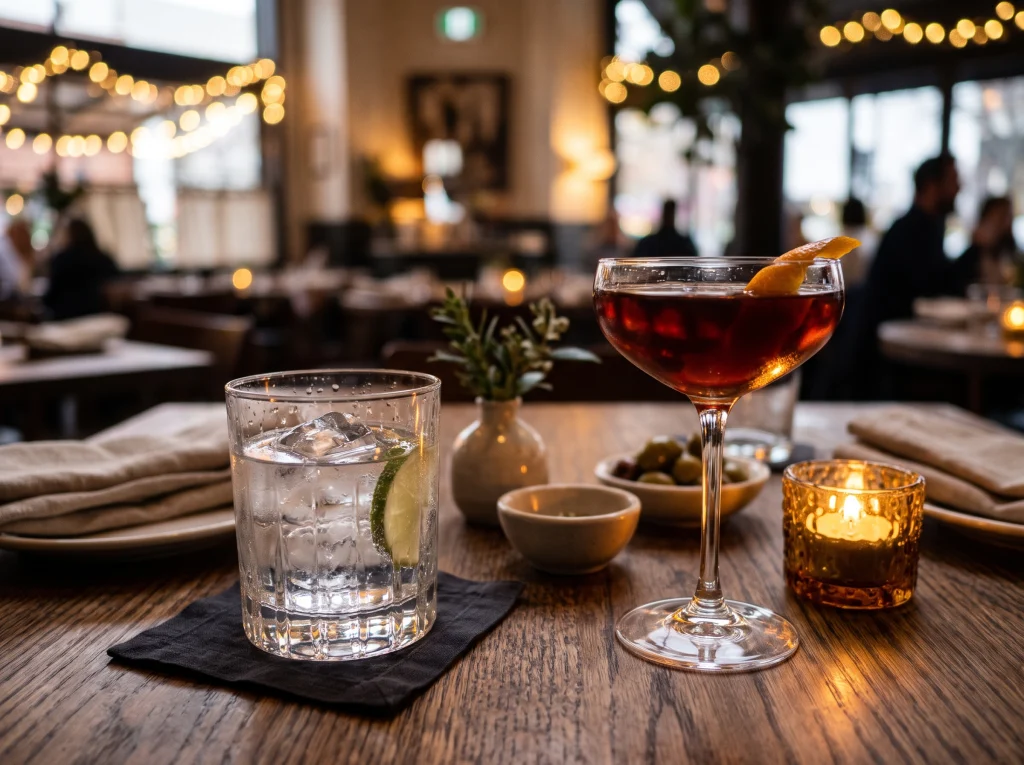
| On the rocks | Served with ice | He ordered his drink on the rocks. |
| Raise a glass | Celebrate or honor someone | Let’s raise a glass to the happy couple. |
| Drink to someone’s health | Make a toast wishing someone well | We drank to our friend’s health. |
These expressions are common in movies, books, social conversations, and informal storytelling. Some describe excessive drinking, so they are not suitable for every situation.
Funny and Informal Drink Expressions
Some drink-related expressions are humorous or casual. They are particularly useful in friendly conversations, social media posts, and informal storytelling.
| Expression | Meaning | Example |
|---|---|---|
| Wet your whistle | Have a drink | Let’s stop for a drink and wet our whistles. |
| A cup of joe | A cup of coffee | I need a cup of joe before my morning meeting. |
| Bottoms up | Finish your drink | Bottoms up! We have a long night ahead. |
| Have a few too many | Drink too much | He had a few too many at the celebration. |
| Not for all the tea in China | Not under any circumstances, regardless of the reward | I wouldn’t sell my family home for all the tea in China. |
| As useful as a chocolate teapot | Completely useless | This old computer is as useful as a chocolate teapot. |
| Spill the tea | Share interesting gossip | Come on, spill the tea about your new job. |

How to Use Drink Idioms in Everyday English
Learning an idiom’s meaning is important, but understanding when and how to use it makes your English more natural.
Here are some practical ways to use drink idioms correctly.
1. Use idioms in everyday conversations.
Try expressions such as “not my cup of tea” when discussing personal interests or “water under the bridge” when talking about past disagreements.
2. Understand the situation before using an idiom.
Some expressions are humorous, while others can sound critical. For example, calling someone a person who “drinks like a fish” may offend them because it suggests excessive alcohol consumption.
3. Learn idioms through complete sentences.
Memorizing individual expressions is less effective than understanding how they work in conversations. Read examples, listen to native English speakers, and practice creating your own sentences.
4. Pay attention to formal and informal language.
Expressions such as “spill the tea” and “bottoms up” are informal. They are suitable for friendly conversations but may not be appropriate in professional reports or formal business communication.
5. Practice using a few expressions regularly.
Choose three or four idioms and use them in different sentences throughout the week. Gradually add more expressions as you become comfortable with their meanings.
Common Mistakes to Avoid When Using Drink Idioms
English learners sometimes misunderstand drink idioms because their figurative meanings differ from their literal meanings.
Here are some common mistakes to avoid:
- Confusing literal and figurative meanings: “Water under the bridge” does not refer to water physically flowing beneath a bridge. It describes past problems that no longer matter.
- Using informal expressions in formal situations: “Spill the tea” is better suited to casual conversations than professional presentations.
- Ignoring cultural differences: Americans generally say “a tempest in a teapot,” while “a storm in a teacup” is more common in British English.
- Using alcohol-related idioms carelessly: Expressions such as “drink like a fish” can sound judgmental or disrespectful.
- Memorizing without practicing: Knowing an idiom’s definition does not automatically mean you can use it naturally.

Understanding these differences will help you communicate more confidently and avoid misunderstandings.
Frequently Asked Questions:
Conclusion
Drink idioms add color and personality to everyday English. Expressions such as “not my cup of tea,” “spill the tea,” “in hot water,” and “water under the bridge” help speakers communicate preferences, gossip, difficulties, and past experiences in a natural way.
Learning these expressions also makes it easier to understand American conversations, movies, books, and informal discussions. Start by practicing a few common drink idioms, understand their meanings in context, and gradually include them in your everyday English.