
Cut or Bulk? Meaning, Differences, and Which Is Right for You
If you want to build muscle, lose body fat, or improve your physique, you have probably come across the terms cutting and bulking. These are two common fitness strategies used by people who strength train, bodybuilders, and recreational gym members. Although both approaches can help you work toward a stronger physique, they serve different purposes.
Bulking means eating enough calories to support muscle growth, usually with a modest calorie surplus. Cutting means eating fewer calories than your body uses to reduce body fat while maintaining as much muscle as possible. Choosing between a cut or bulk depends on your current body composition, training experience, nutrition habits, and personal goals.
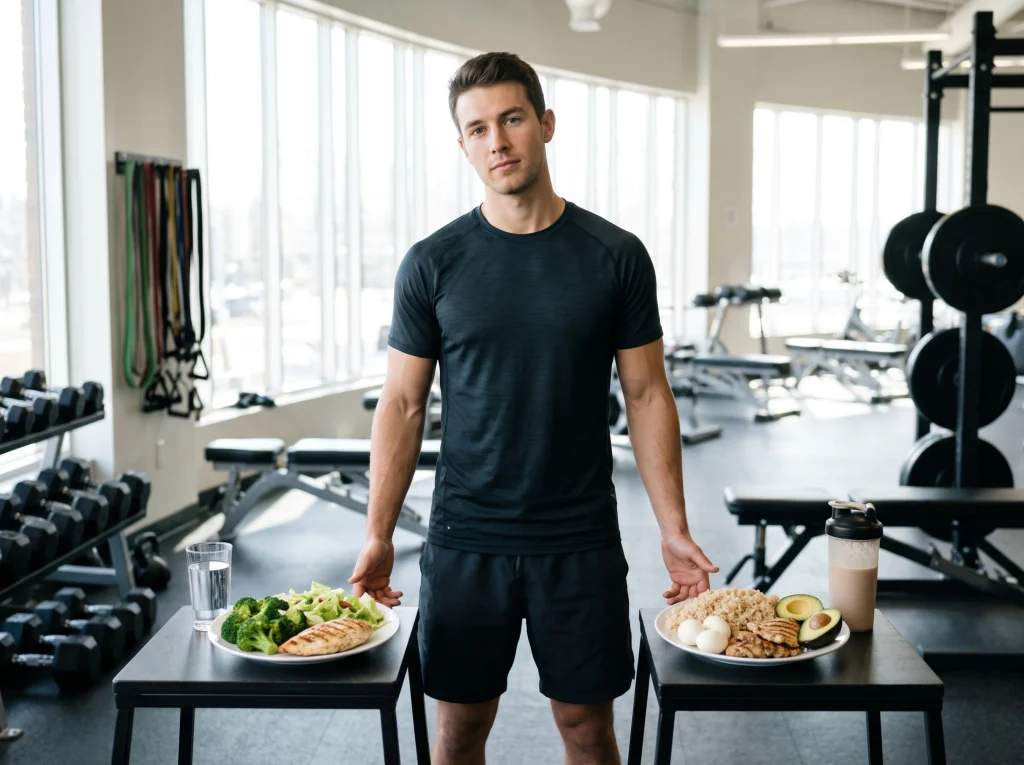
Neither approach is automatically better. Some people benefit from building muscle first, while others prefer to reduce excess body fat before focusing on muscle growth. Beginners may also be able to build muscle and lose fat at the same time, particularly when they begin resistance training and follow a suitable nutrition plan.
What Does Cut or Bulk Mean?
In fitness, the phrase “cut or bulk” refers to choosing between two nutrition and training phases.
A bulk focuses on gaining muscle by combining resistance training with sufficient food and recovery. A cut focuses on losing body fat while maintaining muscle through resistance training, adequate protein, and a controlled calorie deficit.
The main difference is your calorie balance. During a bulk, you generally eat slightly more calories than your body burns. During a cut, you eat fewer calories than your body burns. Both phases require consistent workouts, appropriate nutrition, and enough sleep to support progress.
The terms are especially common in bodybuilding, but you do not need to compete in bodybuilding to use either strategy. Your choice should support your health, strength, appearance, and long-term fitness goals.
Cutting vs. Bulking: Key Differences
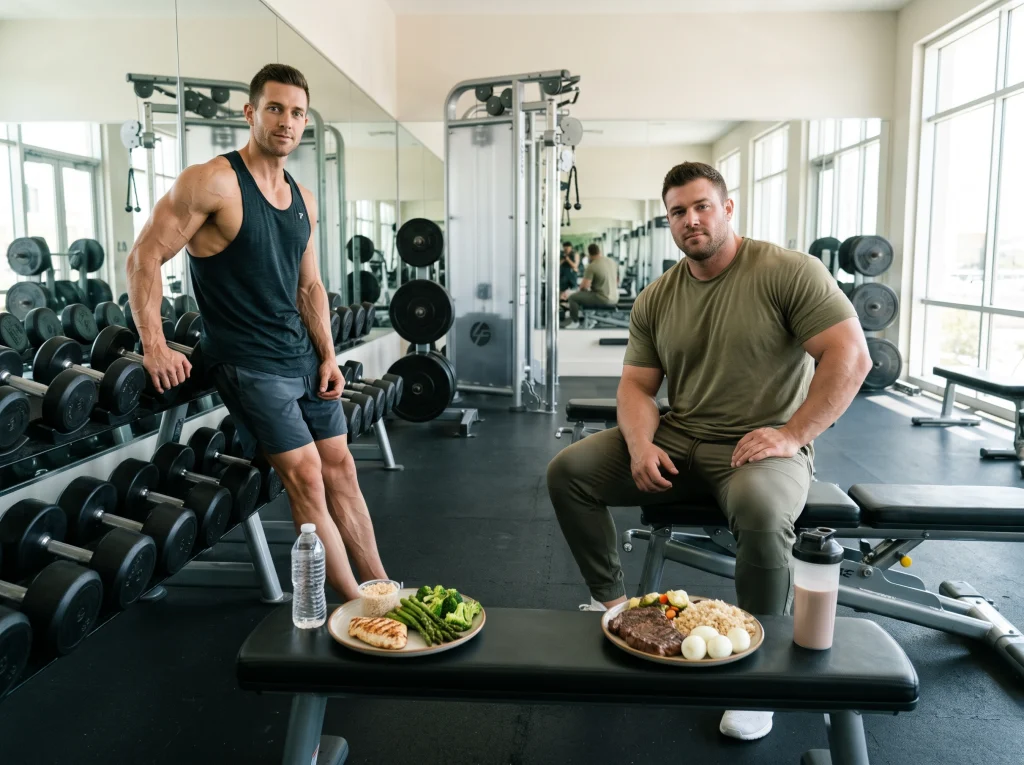
The biggest difference between cutting and bulking is the result you want to achieve. Bulking prioritizes muscle growth, while cutting prioritizes fat loss and muscle retention. Your workout routine may remain similar during both phases, but your calorie intake and recovery needs can change.
| Feature | Bulking | Cutting |
|---|---|---|
| Main goal | Build muscle and strength | Reduce body fat |
| Calorie balance | Usually a small surplus | A moderate deficit |
| Body weight | Generally increases | Generally decreases |
| Muscle growth | Primary focus | Usually focused on preservation |
| Strength training | Essential for muscle growth | Essential for muscle retention |
| Protein intake | Supports muscle building | Helps preserve muscle |
| Common challenge | Gaining too much fat | Losing muscle or energy |
| Best suited for | People prioritizing muscle gain | People prioritizing fat loss |
Both approaches work best when combined with progressive resistance training, adequate protein, and consistent sleep. Research on body composition supports using a calorie surplus to support muscle gain and a calorie deficit to promote fat loss.
PMC
+1
What Is Bulking in Fitness?
Bulking is a fitness phase in which you eat slightly more calories than your body needs to maintain its current weight. The extra energy supports demanding workouts, muscle recovery, and the development of new muscle tissue.
The goal is not to gain weight as quickly as possible. A well-planned bulk aims to increase muscle mass while limiting unnecessary fat gain.
How Does Bulking Work?
During a bulk, you combine resistance training with adequate nutrition and gradually increase the demands placed on your muscles. Your body needs sufficient energy, protein, and recovery time to adapt to training.
For example, someone who maintains their weight at approximately 2,400 calories per day might begin by eating around 2,550 to 2,650 calories. These numbers are illustrative rather than universal recommendations. Your actual calorie needs depend on your body size, activity level, training experience, and individual response.
Track your average weight, gym performance, and measurements over several weeks. If your weight is not increasing and your training progress has stalled, you may need a small adjustment. If your waist measurement rises quickly without corresponding improvements in strength or muscle size, your surplus may be larger than necessary.
Types of Bulking
There are two common approaches to bulking.
Lean bulking: You eat a modest calorie surplus and prioritize nutrient-dense foods, protein, and structured strength training. This approach aims to support gradual muscle growth while limiting excessive fat gain.
Dirty bulking: You eat a large surplus and place fewer restrictions on food choices. Although this can increase body weight, rapid weight gain may include substantial fat rather than muscle. It can also make a later cutting phase longer and more difficult.
For most people interested in improving body composition, a controlled surplus is a more practical starting point than aggressive bulking.
What Is Cutting in Fitness?
Cutting is a nutrition phase designed to reduce body fat while preserving as much muscle as possible. You achieve this by consuming fewer calories than your body uses over time, while continuing resistance training and eating sufficient protein.
A successful cut does not require eliminating carbohydrates, avoiding all dietary fats, or following an extreme diet. Instead, it involves a manageable calorie deficit that allows you to maintain a consistent routine.
How Does Cutting Work?
Suppose you maintain your weight at approximately 2,400 calories per day. You might begin a cut at around 2,100 to 2,200 calories, depending on your circumstances. These are example figures, not a personalized prescription.
During a cut, monitor your weight trend, waist measurement, workout performance, hunger, and energy levels. Weight can fluctuate because of changes in water retention, carbohydrate intake, and digestion, so a single weigh-in does not tell the whole story.
A gradual rate of weight loss is generally preferable when preserving muscle is important. Resistance training and adequate protein help reduce the risk of losing lean mass during a calorie deficit.
PMC
+1
Types of Cutting
Traditional cutting: You maintain a calorie deficit for several weeks or months while focusing on fat loss and muscle retention.
Mini-cutting: You follow a shorter period of calorie restriction, often after a bulk, to address unwanted fat gain. It can be more demanding and is not necessary for everyone.
Neither method guarantees a particular appearance or amount of fat loss. Your results depend on your starting point, adherence, training, and individual response.
Should You Cut or Bulk First?
The right choice depends on your current body composition and primary goal. You do not need to follow the same order as a competitive bodybuilder.

Consider bulking if muscle growth is your priority.
If you are relatively lean, want to gain size, and already have a consistent strength-training routine, a modest calorie surplus may help you make progress.

Consider cutting if reducing body fat is your priority.
If excess body fat is a concern and you want to improve muscle definition, a moderate calorie deficit may be more appropriate.
Consider body recomposition if you are a beginner.
Body recomposition means gaining muscle while losing fat. Beginners, people returning after a break, and some individuals with higher body fat may achieve both without deliberately bulking or cutting.
If you are already at a comfortable weight, feel healthy, and want to improve your lifting performance, maintaining your weight while training consistently is another reasonable option.
There is no universally correct body-fat percentage that tells everyone when to cut or bulk. Health, age, training history, and personal circumstances matter. Avoid choosing a phase solely because of a number on a scale or pressure to achieve a particular appearance.
How to Cut or Bulk Based on Your Fitness Goals
Before changing your calorie intake, identify the outcome that matters most to you.
| Your goal | Practical starting point |
|---|---|
| Gain muscle and size | Resistance training with a modest calorie surplus |
| Lose fat while retaining muscle | Moderate calorie deficit with strength training |
| Improve strength without changing weight much | Eat around maintenance calories and follow a progressive program |
| Build muscle as a beginner | Establish consistent training and adequate nutrition; consider recomposition |
| Prepare for a bodybuilding competition | Plan the phases around competition requirements with qualified guidance |
| Improve general health and fitness | Focus on sustainable eating, physical activity, sleep, and strength |
Step 1: Establish Your Maintenance Calories
Maintenance calories are the approximate amount of energy you need to keep your body weight stable. They vary according to body size, age, sex, daily movement, and exercise.
You can estimate your needs using a reputable calorie calculator, then compare the estimate with your actual weight trend over a few weeks. Treat the result as a starting point rather than an exact measurement.
Step 2: Choose a Small Adjustment
For bulking, start with a modest calorie surplus. For cutting, use a manageable calorie deficit. Large changes are not automatically more effective, and aggressive restriction can make it harder to maintain training quality and adequate nutrition.
Step 3: Follow a Consistent Strength Program
Train the major muscle groups regularly and use progressive overload, which means gradually increasing the challenge through weight, repetitions, sets, or improved technique. Keep your workouts appropriate for your experience and allow enough time for recovery.
Step 4: Review Your Progress
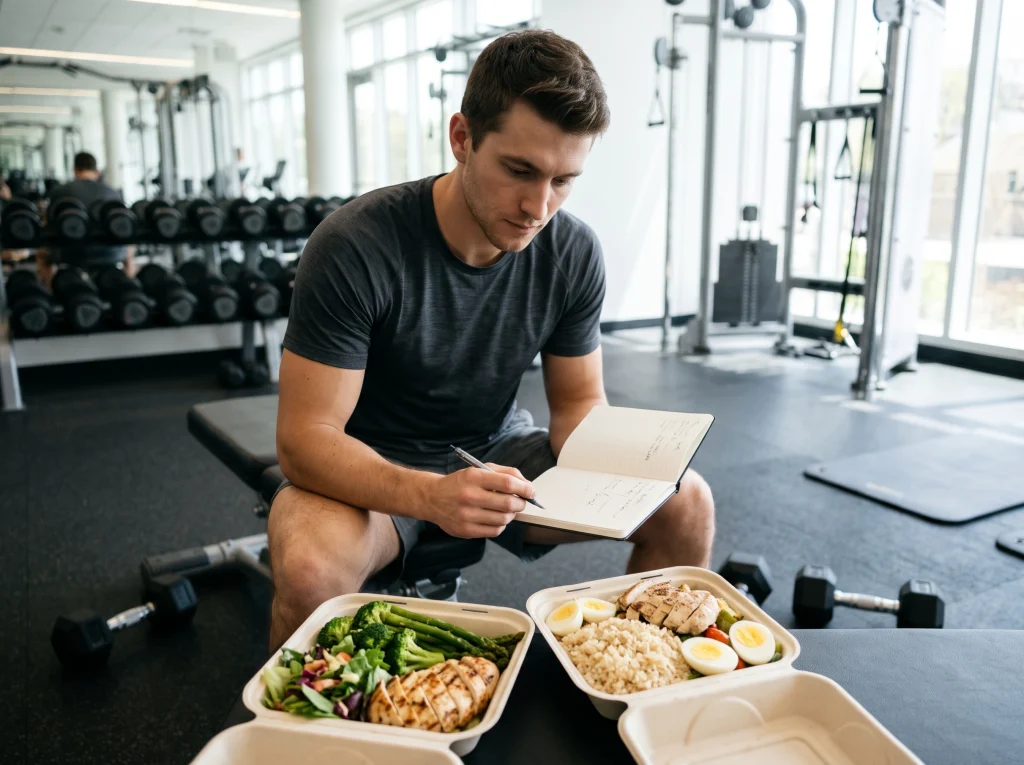
Assess trends over several weeks rather than reacting to daily changes. If your strength, measurements, and weight are moving in a direction that matches your goal, continue with the plan. Make small adjustments when progress stalls or your recovery deteriorates.
How Long Should You Cut or Bulk?
There is no fixed duration for either phase. The appropriate timeline depends on your starting body composition, goals, calorie intake, training experience, and ability to recover.
A bulk may last several months because muscle growth generally takes time. A cutting phase may take weeks to months, depending on how much fat you intend to lose and how gradually you approach the process.
| Phase | What to monitor | When to reassess |
|---|---|---|
| Bulking | Weight trend, strength, waist measurement | When fat gain accelerates or progress stalls |
| Cutting | Weight trend, strength, energy, recovery | When the target is reached or fatigue becomes difficult to manage |
| Maintenance | Weight stability, performance, habits | When your goals or circumstances change |
You do not need to switch phases according to a calendar. Reassess your progress and health rather than continuing a bulk or cut simply because you planned to follow it for a particular number of weeks.
Nutrition Tips for Cutting and Bulking
Nutrition plays a central role in both phases. You can make progress with different eating patterns, provided your overall calorie intake, protein consumption, and food quality support your goal.
Prioritize Protein
Protein supplies the amino acids your body uses to repair and build muscle. A position stand from the International Society of Sports Nutrition suggests that approximately 1.4 to 2.0 grams of protein per kilogram of body weight per day is sufficient for most exercising individuals. Individual needs can differ, particularly during calorie restriction.
PubMed
+1
For example, an adult weighing 165 pounds, or about 75 kilograms, would fall within a general range of approximately 105 to 150 grams per day using that guideline. This is an illustrative calculation, not a requirement for every person.
Useful protein sources include chicken, fish, eggs, Greek yogurt, cottage cheese, beans, lentils, tofu, and lean meat. Protein powder can be convenient, but it is not essential if you meet your needs through food.
Choose Nutrient-Dense Foods
Build meals around protein sources, fruits, vegetables, whole grains, and suitable sources of dietary fat. These foods provide important nutrients and can make your eating plan easier to sustain.
During a bulk, calorie-dense foods such as nuts, nut butter, olive oil, rice, and oats can help you meet your energy needs. During a cut, vegetables, fruit, lean protein, and high-fiber foods can help make meals satisfying while keeping calorie intake manageable.
You do not have to eliminate favorite foods. Overall intake and consistency matter more than labeling every food as either good or bad.
Keep Carbohydrates and Healthy Fats in Your Diet
Carbohydrates provide energy for training, while dietary fats support essential body functions. Adjust the amounts according to your calorie needs, preferences, and performance rather than removing either macronutrient without a good reason.
Get Enough Sleep and Recovery
Muscle growth and training adaptation require recovery. Aim for a regular sleep schedule, take rest days when needed, and avoid increasing workout volume so quickly that you cannot recover.
If calorie restriction causes persistent fatigue, dizziness, declining performance, or significant changes in mood, reconsider the plan and seek advice from a qualified health professional.
Common Cutting and Bulking Mistakes
Even a well-designed plan can produce disappointing results when nutrition and training are inconsistent. Avoid these common mistakes.
1. Eating too much during a bulk. A large calorie surplus does not guarantee faster muscle growth. Start conservatively and adjust according to your progress.
2. Cutting calories too aggressively. Severe restriction can contribute to fatigue, poor workouts, nutrient deficiencies, and muscle loss. Choose a sustainable deficit instead.
3. Neglecting strength training. Cardio can support cardiovascular health and energy expenditure, but resistance training is especially important for building or preserving muscle.
4. Eating too little protein. Protein supports muscle repair and maintenance. Include protein-rich foods throughout your day.
5. Changing your plan too frequently. Daily weight fluctuations are normal. Give your approach enough time to evaluate meaningful trends before making adjustments.
6. Ignoring recovery. Insufficient sleep, excessive training, and inadequate nutrition can interfere with progress in either phase.
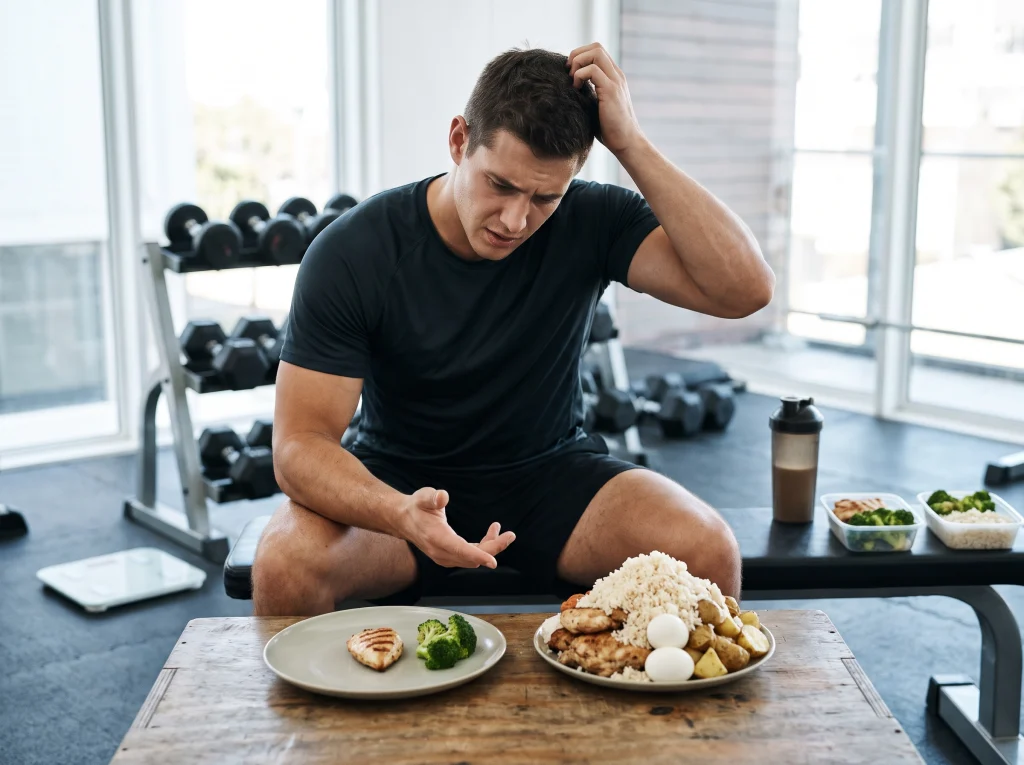
7. Comparing your results with other people. Genetics, training experience, lifestyle, and starting body composition influence how quickly people gain muscle or lose fat. Measure success against your own progress.
FAQs:
Conclusion
Choosing between a cut or bulk comes down to your current needs and long-term fitness goals. Bulking generally suits people who want to prioritize muscle growth, while cutting is designed to reduce body fat and preserve existing muscle. If you are new to strength training, returning after a break, or interested in improving your overall body composition, you may benefit from focusing on consistent training and balanced nutrition before committing to either phase.