Idioms for Clean: 40 Common Expressions With Meanings and Examples
Idioms for clean are expressions that use the idea of cleanliness to describe much more than washing or removing dirt. In American English, the word clean can refer to physical cleanliness, honesty, innocence, fairness, good behavior, a fresh start, or complete separation.

For example, clean as a whistle means extremely clean, while come clean means to admit the truth about something that has been kept secret. A clean slate refers to a fresh start, and clean up your act means to begin behaving in a more responsible way. These meanings are established in standard English dictionaries, including Oxford and Collins.
Learning these expressions helps English learners understand conversations, movies, books, workplace communication, and everyday American speech more naturally.
40 Common Idioms for Clean
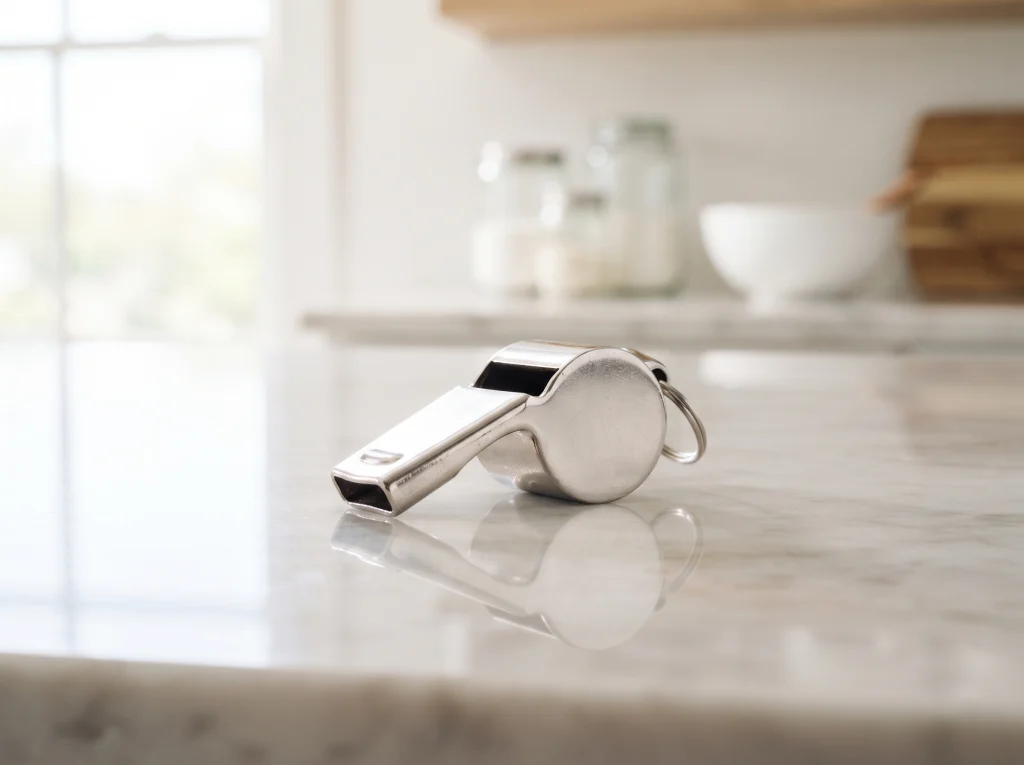
1. Clean as a Whistle
Meaning: Extremely clean or spotless.
Example: After several hours of scrubbing, the kitchen was clean as a whistle.
This expression is often used for rooms, objects, vehicles, and other things that look exceptionally clean. It can also describe someone who is free from wrongdoing.
2. Squeaky Clean
Meaning: Completely clean, or free from anything improper or dishonest.
Example: The bathroom was squeaky clean after the cleaning service finished.
It can also describe a person’s reputation or behavior.
3. Spick and Span
Meaning: Very clean, neat, and well organized.
Example: Their new apartment was spick and span before the guests arrived.
This expression is especially useful when you want to emphasize both cleanliness and neatness.
4. Neat as a Pin
Meaning: Extremely neat and tidy.
Example: Her office is always neat as a pin.
The expression focuses more on order and neatness than simple physical cleanliness.
5. Clean House
Meaning: To remove unwanted people or things, or to make a house clean.
Example: The new manager decided to clean house and replace several outdated procedures.
In American English, the expression can be literal or figurative. Oxford identifies clean house as a North American English expression.
6. Clean Sweep
Meaning: To remove everything unwanted or to win everything in a competition.
Example: The team made a clean sweep of the awards.
The phrase can describe a complete victory or a thorough removal of people or things.
7. Clean Up Your Act
Meaning: To improve your behavior and start acting more responsibly.
Example: If he wants to keep his job, he needs to clean up his act.
This informal expression is common when someone needs to change negative or irresponsible behavior.
8. Keep Your Nose Clean
Meaning: Stay out of trouble and avoid doing anything wrong or illegal.
Example: Since getting his new job, he has been keeping his nose clean.
This is an informal expression and is often used when talking about avoiding trouble.
9. Come Clean
Meaning: Admit the truth about something that you have kept secret.
Example: She finally came clean about what happened at the meeting.
You can say come clean about something or come clean with someone.
10. Clean Slate
Meaning: A fresh start without past mistakes or problems.
Example: Moving to a new city gave him a clean slate.
The phrase can describe a personal situation, relationship, job, project, or other new beginning.
11. Wipe the Slate Clean
Meaning: Forget past mistakes or disagreements and start again.
Example: After their disagreement, the two friends decided to wipe the slate clean.
It often suggests forgiveness or a decision to move forward.
12. A Clean Break
Meaning: A complete separation from a person, organization, situation, or way of life.
Example: She wanted to make a clean break with her old routine.
A clean break means leaving something behind without maintaining the previous connection.
13. Clean Bill of Health
Meaning: A report or assessment saying that someone is healthy or something is in good condition.
Example: After several tests, the doctor gave him a clean bill of health.
The expression can also be used for things such as buildings, systems, or equipment when an inspection finds no serious problems.
14. Make a Clean Breast of It
Meaning: Tell the complete truth about something, especially something wrong that you have done.
Example: He decided to make a clean breast of it and explain everything to his parents.
This expression is less common in everyday American conversation than come clean, but it is a recognized idiom.

15. Clean Hands
Meaning: Freedom from guilt or wrongdoing.
Example: The investigation showed that she had clean hands in the matter.
The expression is usually figurative rather than a description of physically washed hands.
16. Clean Record
Meaning: A record showing no previous wrongdoing, offenses, or serious problems.
Example: He has a clean driving record.
A clean record is often used for legal, driving, employment, or disciplinary history.
17. Clean Sheet
Meaning: A record with no previous mistakes or, in sports, a game in which the opposing team scores no goals.
Example: The goalkeeper kept a clean sheet in Saturday’s game.
The expression can have different meanings depending on context.
18. Start With a Clean Sheet
Meaning: Begin again without allowing previous problems to affect the new situation.
Example: The new manager wanted everyone to start with a clean sheet.
It is similar to start with a clean slate.
19. Clean Conscience
Meaning: A feeling that you have done nothing wrong.
Example: I can leave the company with a clean conscience because I did my best.
This expression is commonly used when someone wants to emphasize that they have acted honestly or responsibly.
20. Clean Living
Meaning: A lifestyle based on healthy or morally responsible habits.
Example: He credits clean living and regular exercise for his healthy routine.
The meaning depends on context and can refer to avoiding harmful habits or following a disciplined lifestyle.
Idioms About Physical Cleanliness and Neatness

21. As Clean as a Whistle
This is another common form of clean as a whistle.
Meaning: Extremely clean.
Example: We left the rental house as clean as a whistle.
The phrase is informal and useful in everyday conversation.
22. Clean Up Nicely
Meaning: To look attractive, neat, or well dressed after getting cleaned up or dressed appropriately.
Example: He usually wears casual clothes, but he cleaned up nicely for the wedding.
This expression is commonly used when someone looks noticeably more polished than usual.
23. Polish Up
Meaning: To make something cleaner, shinier, or more attractive, or to improve something.
Example: She polished up the presentation before showing it to the client.
The phrase can be literal or figurative.
24. Fresh as a Daisy
Meaning: Looking or feeling fresh, energetic, and healthy.
Example: After a full night’s sleep, she felt fresh as a daisy.
This expression is related to freshness rather than physical cleanliness alone.
25. Whiter Than White
Meaning: Extremely white, pure, or clean.
Example: The freshly washed towels looked whiter than white.
The phrase can be literal or figurative depending on context.
26. Clean-Cut
Meaning: Neat, well groomed, and tidy in appearance.
Example: The new employee had a clean-cut appearance.
In American English, clean-cut commonly describes a person’s neat and conventional appearance.
27. Clean Up
Meaning: To make something clean or to become clean and presentable.
Example: We need to clean up the kitchen before dinner.
Unlike many expressions on this list, clean up is generally a phrasal verb rather than a traditional idiom. It is included because it is an extremely common expression related to the topic.
28. Clean Out
Meaning: To remove everything from a place or container.
Example: We need to clean out the garage before winter.
The expression can also have figurative meanings in informal American English.
29. Spring Cleaning
Meaning: A thorough cleaning and organizing of a home, often associated with spring.
Example: We spent Saturday doing our spring cleaning.
It is a common American English expression for a large household cleaning project.
30. Clean Up After Someone
Meaning: To clean a place after another person has made it dirty or messy.
Example: I am tired of cleaning up after everyone in the kitchen.
The phrase can also be used figuratively when someone must deal with the consequences of another person’s actions.
Idioms About Honesty and Innocence
31. Come Clean About Something
Meaning: Tell the truth about something that was previously hidden.
Example: The employee came clean about the mistake.
This expression is especially natural when someone admits something after initially keeping it secret.
32. Have Clean Hands
Meaning: Not be responsible for wrongdoing.
Example: She insisted that she had clean hands in the dispute.
The meaning is figurative and relates to innocence or lack of responsibility.
33. Keep Your Nose Clean
Meaning: Avoid trouble or illegal behavior.
Example: He promised his parents that he would keep his nose clean.
This expression is informal and can be used when advising someone to stay out of trouble.
34. Squeaky-Clean Reputation
Meaning: A reputation without known serious wrongdoing or scandal.
Example: The company has built a squeaky-clean reputation for customer service.
Here, squeaky-clean emphasizes an especially clean or respectable image.
35. Clean as a Whistle
Meaning: Completely clean or, in some contexts, free from wrongdoing.
Example: His record was clean as a whistle.
The exact meaning depends on whether the context concerns physical cleanliness or a person’s conduct.
Idioms About Fresh Starts and Change
36. Turn Over a New Leaf
Meaning: Begin behaving differently and make a fresh start.
Example: After graduating, he decided to turn over a new leaf.
Although this expression does not contain the word clean, it is closely related to the idea of starting fresh.
37. Start From Scratch
Meaning: Begin from the beginning without using previous work or preparation.
Example: The first design did not work, so we had to start from scratch.
This phrase is useful when talking about projects, plans, recipes, businesses, and other situations.
38. Make a Fresh Start
Meaning: Begin again in a new or improved way.
Example: She moved to another state to make a fresh start.
It is a straightforward expression that often appears alongside clean slate.
39. Draw a Line Under Something
Meaning: Decide that a past matter is finished and move forward.
Example: We apologized to each other and decided to draw a line under the disagreement.
This expression is more common in British English than American English, so American speakers will often prefer move on, start fresh, or wipe the slate clean.
40. Leave the Past Behind
Meaning: Stop focusing on previous problems and move forward.
Example: He wanted to leave the past behind and focus on his new career.
It is not a traditional idiom containing the word clean, but it expresses the same general idea found in phrases such as clean slate and wipe the slate clean.

Clean Expressions Common in American English
American English uses clean in several figurative ways. It can describe a person’s reputation, a sports result, a complete separation, an honest confession, or a fresh beginning.
For physical cleanliness, expressions such as clean as a whistle, squeaky clean, spick and span, and neat as a pin are useful. For honesty, come clean, clean hands, and keep your nose clean are more appropriate. For a new beginning, clean slate, wipe the slate clean, and clean break are especially useful.
One important point is that not every expression containing the word clean is a traditional idiom. Some are ordinary phrases or phrasal verbs. For example, clean the kitchen is literal, while come clean about the mistake is figurative. Standard dictionaries list several established idioms with clean, including clean slate, clean break, clean sweep, come clean, keep your nose clean, wipe the slate clean, clean bill of health, and clean as a whistle.
How to Use Clean Idioms Naturally
The best way to use clean idioms is to match the expression to its meaning rather than trying to use the word clean literally.
For example, if someone admits a secret, say:
She finally came clean about the mistake.
Do not say:
She finally cleaned about the mistake.
If someone starts over after a difficult period, say:
He was given a clean slate.
If someone leaves a situation completely, say:
She made a clean break from her old routine.
If a room is extremely clean, you can say:
The entire house was clean as a whistle.
Context is important because some expressions have both literal and figurative uses.

Common Mistakes With Clean Idioms
One common mistake is changing the structure of a fixed expression. For example, the established expression is come clean, not come cleaning.
Another mistake is using clean slate when the intended meaning is physical cleanliness. A clean slate usually refers to a fresh start or a record without previous problems, not a freshly washed surface.
Learners may also confuse clean break with a physical break. In everyday figurative use, a clean break means a complete separation from a person, organization, lifestyle, or situation.
Finally, remember that clean up your act refers to behavior, not household cleaning. If your friend needs to behave more responsibly, you can say:
You need to clean up your act.
The expression is informal and commonly used in American English.
Why Clean Idioms Matter in American English
Clean idioms are useful because the word clean has a wide range of figurative meanings in English. It can suggest honesty, fairness, innocence, freshness, good behavior, or a complete change.
Understanding these expressions also helps English learners avoid taking phrases literally. Someone who says I need to come clean is not saying that they need to wash. They mean that they need to tell the truth.
Likewise, someone who gets a clean slate is not receiving a physical piece of slate. They are getting an opportunity to begin again. These expressions appear in everyday conversations, entertainment, school, workplaces, sports, and informal writing.

FAQs:
Conclusion
Learning idioms for clean can help you describe cleanliness, honesty, organization, and proper behavior in more natural American English. Expressions such as clean up your act, keep it clean, come clean, and clean as a whistle can add variety to everyday conversations and writing.
The key is to understand the meaning and context of each expression rather than taking the words literally. With regular practice, these clean related idioms can make your English sound clearer, more natural, and more expressive.