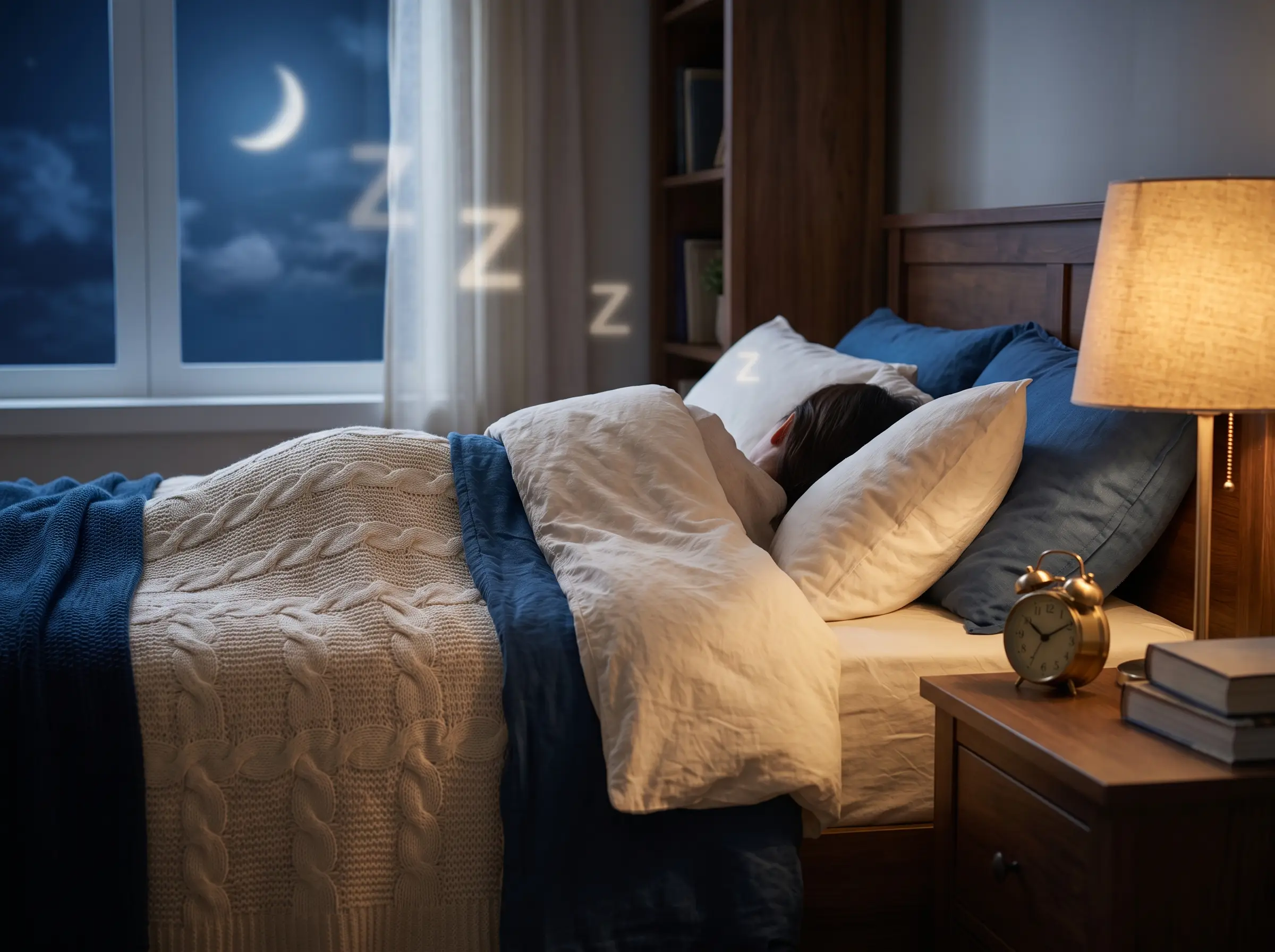
40 Idioms for Sleep: Meanings, Examples, and Easy Usage
Sleep is a simple part of everyday life, but English speakers have many creative ways to talk about it. Instead of always saying “go to bed,” “fall asleep,” or “sleep deeply,” people often use expressions such as “hit the hay,” “catch some Z’s,” and “sleep like a log.”
These idioms for sleep are especially useful in everyday American English. You may hear them in conversations with friends, movies, television shows, books, and casual messages. Some describe going to bed, while others describe deep sleep, tiredness, waking up, or having trouble sleeping.
An idiom does not always mean exactly what its individual words suggest. For example, when someone says, “I’m going to hit the sack,” they are not talking about hitting a physical sack. They simply mean that they are going to bed. Understanding expressions like these can make spoken English easier to follow and help English learners sound more natural.
What Are Idioms for Sleep?
Idioms for sleep are expressions used to describe sleeping, going to bed, feeling tired, taking a nap, staying awake, or having difficulty sleeping.
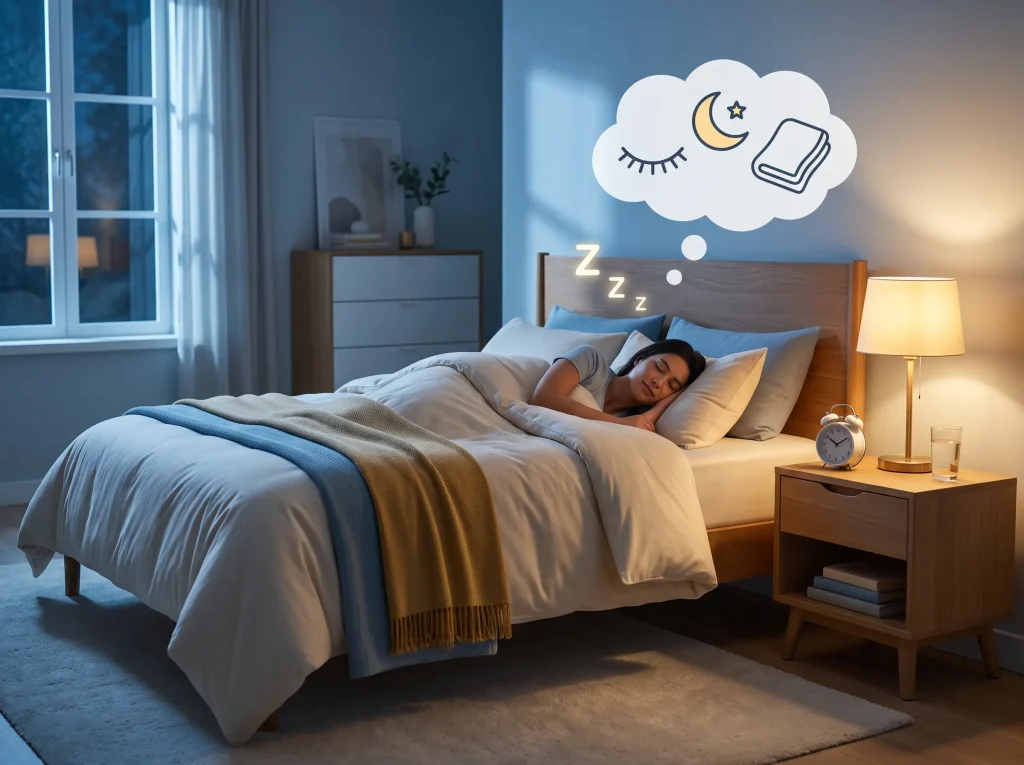
Some expressions are strongly connected with sleep, such as “sleep like a baby” and “out like a light.” Others describe related situations, such as “burn the midnight oil,” which means staying awake late to work or study.
Here are some of the most useful sleep related idioms in American English.
Idioms Lesson Explained Simply: https://learnidioms.com/idioms-lesson/
40 Common Idioms for Sleep
| Idiom | Meaning | Example |
|---|---|---|
| 1. Hit the hay | Go to bed | I’m exhausted, so I’m going to hit the hay. |
| 2. Hit the sack | Go to bed | I have an early meeting, so I’ll hit the sack soon. |
| 3. Catch some Z’s | Get some sleep | I need to catch some Z’s before my night shift. |
| 4. Sleep like a log | Sleep very deeply | I slept like a log after the long hike. |
| 5. Sleep like a baby | Sleep peacefully and soundly | I slept like a baby last night. |
| 6. Out like a light | Fall asleep very quickly | He was out like a light as soon as he got into bed. |
| 7. Dead to the world | Sleeping so deeply that you are unaware of what is happening | She was dead to the world after working all day. |
| 8. Not sleep a wink | Not sleep at all | I didn’t sleep a wink because of the storm. |
| 9. Sleep tight | Sleep well | Goodnight and sleep tight. |
| 10. Call it a night | Stop an activity and go to bed | It’s getting late, so let’s call it a night. |
| 11. Turn in | Go to bed | I think I’ll turn in early tonight. |
| 12. Doze off | Fall asleep lightly or unintentionally | I dozed off while watching TV. |
| 13. Drift off | Gradually fall asleep | She drifted off while listening to music. |
| 14. Drop off | Fall asleep | I dropped off during the movie. |
| 15. Get some shut-eye | Get some sleep | I’m tired and need to get some shut-eye. |
| 16. Forty winks | A short sleep or nap | I took forty winks after lunch. |
| 17. Sawing logs | Snoring loudly | I could hear Dad sawing logs from the next room. |
| 18. Toss and turn | Move around because you cannot sleep comfortably | I tossed and turned all night. |
| 19. Sleep on it | Wait before making a decision | I’m not ready to decide, so I’ll sleep on it. |
| 20. Sleep in | Sleep later than usual | I like to sleep in on Saturdays. |
| 21. Burn the midnight oil | Stay awake late working or studying | She burned the midnight oil to finish her report. |
| 22. Burn the candle at both ends | Work or stay active for long hours without enough rest | He has been burning the candle at both ends lately. |
| 23. Wide awake | Completely awake | I was wide awake at 3 a.m. |
| 24. Counting sheep | Trying to fall asleep by imagining sheep | I was counting sheep but still couldn’t sleep. |
| 25. Beauty sleep | Sleep viewed as helpful for looking rested | I need my beauty sleep before the wedding. |
| 26. Sleep like the dead | Sleep extremely deeply | After the marathon, he slept like the dead. |
| 27. Out cold | Completely asleep or unconscious | He was out cold on the couch. |
| 28. Dead asleep | Completely asleep | The children were dead asleep by midnight. |
| 29. Hit the pillow | Go to bed or fall asleep quickly | I was so tired that I hit the pillow and fell asleep immediately. |
| 30. Sleep through the night | Sleep continuously until morning | The baby finally slept through the night. |
| 31. Lose sleep over something | Worry about something | Don’t lose sleep over a small mistake. |
| 32. Sleep it off | Sleep until you feel better after tiredness or drinking | He decided to sleep it off after the long night. |
| 33. Let sleeping dogs lie | Avoid bringing up an old problem | We decided to let sleeping dogs lie. |
| 34. Sleep with one eye open | Stay partly alert because you do not feel completely safe or comfortable | While camping alone, he felt like he had to sleep with one eye open. |
| 35. Not get a wink of sleep | Get no sleep | I didn’t get a wink of sleep before the exam. |
| 36. Racked out | Completely asleep, especially in casual speech | He was racked out on the sofa. |
| 37. Catch forty winks | Take a short nap | I’m going to catch forty winks before dinner. |
| 38. Turn over a new leaf | Start behaving differently, not directly about sleep but sometimes used with nighttime routines | She decided to turn over a new leaf and establish a better bedtime routine. |
| 39. Rise and shine | Wake up and get ready for the day | Rise and shine! Breakfast is ready. |
| 40. Early bird | A person who wakes up or starts the day early | My dad is an early bird who gets up before sunrise. |
Many of these expressions are informal or conversational. “Hit the hay,” “hit the sack,” and “catch some Z’s,” for example, are natural choices in casual conversation, while more literal expressions such as “go to bed” work in almost any situation.
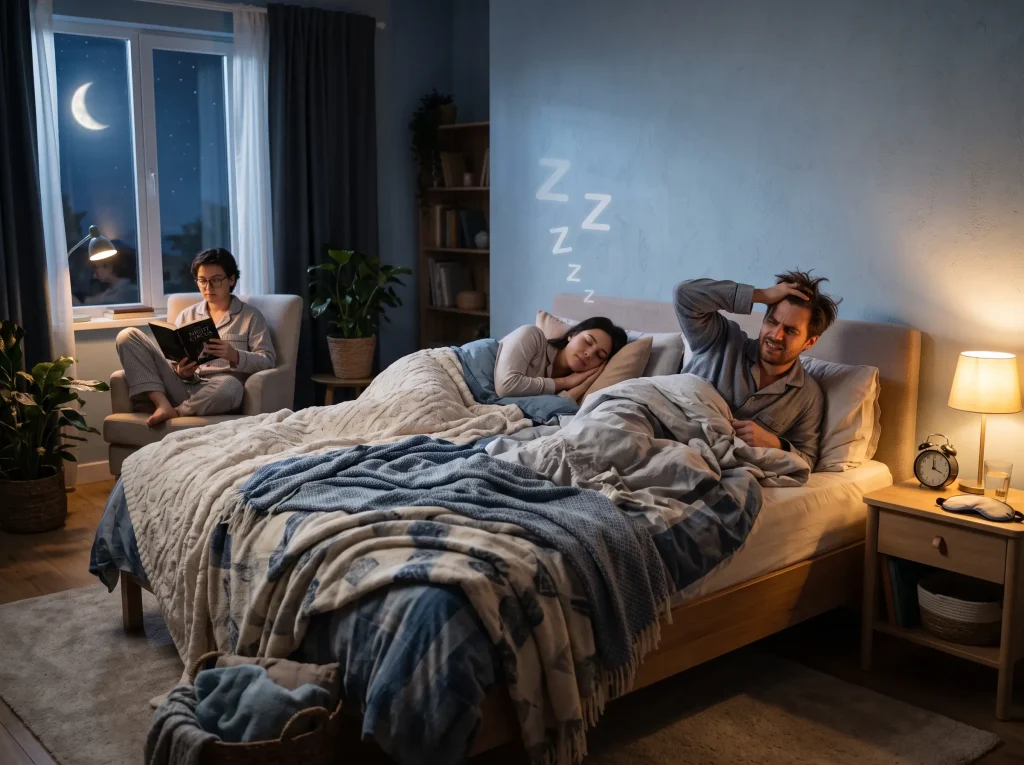
Idioms for Going to Bed
Some of the most common sleep expressions describe the simple act of going to bed.
Hit the Hay
“Hit the hay” means to go to bed or go to sleep.
Example:
I’m exhausted after work. I’m going to hit the hay.
This expression is casual and works well in conversations with friends and family.
Hit the Sack
“Hit the sack” has essentially the same meaning as “hit the hay.”
Example:
I have to wake up at six, so I’d better hit the sack.
Both expressions are common ways to say that you are ready to go to bed.
Turn In
“Turn in” can also mean to go to bed.
Example:
It’s almost midnight. I think I’ll turn in.
You may also hear “turn in for the night.”
Call It a Night
“Call it a night” means to stop an activity for the evening, often because you are ready to rest or go home.
Example:
We’ve finished the movie, so let’s call it a night.
It does not always mean immediately going to sleep. It can simply mean ending the evening.
Idioms for Deep or Peaceful Sleep
English also has several expressions for describing someone who sleeps very deeply.
Sleep Like a Log
If you “sleep like a log,” you sleep very deeply and soundly.
Example:
After hiking all day, I slept like a log.
Sleep Like a Baby
“Sleep like a baby” means to sleep peacefully and comfortably.
Example:
The new mattress is so comfortable that I slept like a baby.
The phrase describes peaceful sleep rather than the literal sleep habits of babies.
Out Like a Light
If someone is “out like a light,” they fall asleep very quickly.
Example:
She was out like a light five minutes after getting into bed.
This phrase is especially useful when someone becomes sleepy almost immediately.

Dead to the World
“Dead to the world” describes someone who is sleeping so deeply that they do not notice what is happening around them.
Example:
He was dead to the world after his overnight flight.
Idioms for Trouble Sleeping
Not every sleep expression describes a good night’s rest. English also has several phrases for sleeplessness and restless nights.
Not Sleep a Wink
If you “don’t sleep a wink,” you do not sleep at all.
Example:
I didn’t sleep a wink before my job interview.
Toss and Turn
“Toss and turn” means to move around in bed because you cannot get comfortable or fall asleep.
Example:
I tossed and turned all night because I was worried about tomorrow.
Wide Awake
“Wide awake” means completely awake.
Example:
I went to bed at ten, but I was still wide awake at midnight.
Counting Sheep
“Counting sheep” refers to the traditional idea of imagining sheep jumping over a fence as a way to help yourself fall asleep.
Example:
I tried counting sheep, but my mind was still racing.
Idioms for Tiredness and Late Nights
Sleep related expressions can also describe the things people do when they stay awake too long.
Burn the Midnight Oil
“Burn the midnight oil” means to stay up late working or studying.
Example:
I burned the midnight oil to finish my college assignment.
It is useful when talking about late night work, studying, or other tasks.

Burn the Candle at Both Ends
This expression describes a person who stays busy for long hours and does not get enough rest.
Example:
She has been burning the candle at both ends with work and school.
Unlike “hit the hay,” this expression focuses on being overly busy rather than simply going to bed.
Catch Some Z’s
“Catch some Z’s” is an informal way to say get some sleep.
Example:
I’m going to catch some Z’s before we leave for the airport.
It can refer to regular nighttime sleep or a shorter period of rest.
Get Some Shut-Eye
“Get some shut-eye” is another informal expression meaning to get some sleep.
Example:
You look exhausted. You should get some shut-eye.
Idioms About Waking Up
Some expressions connected with sleep describe the transition from sleeping to being awake.
Rise and Shine
“Rise and shine” is a cheerful way to tell someone to wake up and get moving.
Example:
Rise and shine! Your breakfast is ready.
It is often used playfully with children, family members, or friends.
Early Bird
An “early bird” is someone who gets up early or prefers doing things early in the day.
Example:
I’m an early bird, so I usually start work before everyone else.
The expression is not strictly an idiom about sleep, but it is closely connected with sleeping and waking habits.
Idioms About Naps and Short Sleep
Short periods of sleep also have their own expressions.
Forty Winks
“Forty winks” means a short nap or brief period of sleep.
Example:
I’m going to take forty winks before dinner.
Doze Off
“Doze off” means to fall asleep lightly, often without planning to.
Example:
I dozed off while sitting on the couch.
Drift Off
“Drift off” suggests gradually falling asleep.
Example:
I listened to the rain and slowly drifted off.
Drop Off
“Drop off” can mean to fall asleep.
Example:
I dropped off as soon as my head touched the pillow.
How to Use Sleep Idioms Naturally
The easiest way to use sleep idioms is to match the expression with the situation.
If you are going to bed, you can say:
“I’m going to hit the hay.”
If you slept very deeply, you can say:
“I slept like a log.”
If you fell asleep quickly, you can say:
“I was out like a light.”
If you could not sleep, you can say:
“I didn’t sleep a wink.”
If you stayed awake studying, you can say:
“I burned the midnight oil.”
These expressions sound most natural in conversational English. In formal academic or professional writing, literal wording is often clearer unless the idiom fits the tone.
Common Mistakes With Sleep Idioms
One common mistake is taking an idiom literally. Someone who says “hit the hay” is not actually hitting hay. They simply mean they are going to bed.
Another mistake is using an expression in the wrong situation. “Sleep like a log” describes deep sleep, while “not sleep a wink” describes getting no sleep. Their meanings are very different.
It is also important to understand formality. Expressions such as “catch some Z’s” and “hit the sack” are casual. They are excellent for conversations and informal messages but may not be appropriate for every formal document.
Finally, avoid putting too many idioms into one sentence. One natural expression is usually more effective than several forced expressions together.

Why Learn Idioms for Sleep?
Sleep is a common topic in everyday conversation, so sleep idioms are useful for English learners. These expressions appear when people talk about bedtime, tiredness, work, school, travel, stress, naps, and morning routines.
Learning them can also improve listening comprehension. When a native speaker says, “I need to hit the hay,” understanding the phrase immediately is much easier than trying to interpret each word literally.
Sleep idioms can also make casual English more natural. Instead of always repeating “go to sleep” or “I am very tired,” you can choose an expression that fits the exact situation.
Quick Practice
Complete each sentence with the best sleep expression.
- I have to wake up early tomorrow, so I’m going to ______.
- After the long flight, I ______ and slept for hours.
- I was so tired that I was ______ within minutes.
- I couldn’t sleep because I kept ______ all night.
- I have been studying until 2 a.m. and ______ every night.
- I need to ______ before we leave for the airport.
- I didn’t ______ because the neighbors were making noise.
- My grandfather likes to ______ after lunch.
Answers
- hit the hay
- slept like a log
- out like a light
- tossing and turning
- burning the midnight oil
- catch some Z’s
- sleep a wink
- catch forty winks
FAQS
Conclusion
Idioms for sleep give English speakers simple and expressive ways to talk about bedtime, deep sleep, tiredness, naps, sleepless nights, and waking up. Expressions such as “hit the hay,” “sleep like a log,” “catch some Z’s,” and “not sleep a wink” are useful because they appear naturally in everyday conversations.


One Comment