Skip to content

Learn Idioms

  • Easy Idioms Drawing
  • Pant or Pant
Learn Idioms
  • Reoccurrence or Recurrence? Meaning, Difference, and Correct Spelling
    Idioms

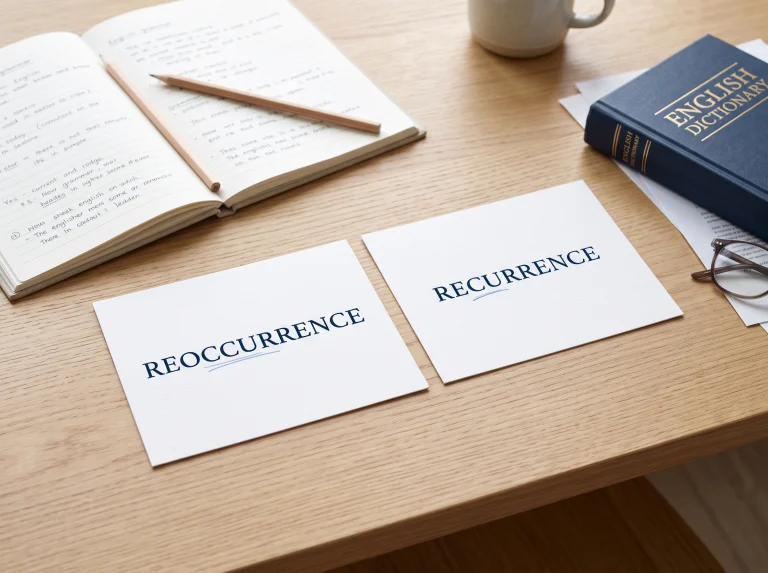
    Reoccurrence or Recurrence? Meaning, Difference, and Correct Spelling

    ByEmma Collins October 16, 2026October 16, 2026

    Choosing between reoccurrence and recurrence can be confusing because both words describe something that happens again. Although they share a similar meaning, recurrence is generally the more common and widely preferred word, especially in formal writing, medical contexts, and discussions of repeated events. Reoccurrence is also a valid English word, but it emphasizes an event…


    Read More Reoccurrence or Recurrence? Meaning, Difference, and Correct SpellingContinue

  • “40 Idioms About Fashion: Meanings and Examples in American English.”
    Idioms

    40 Idioms About Fashion: Meanings and Examples in American English

    ByEmma Collins October 16, 2026October 16, 2026

    Fashion is about more than clothes, shoes, and accessories. It also gives English speakers many colorful expressions for describing personal style, changing trends, confidence, and appearance. Idioms about fashion can help you sound more natural when discussing outfits, shopping, or the latest styles with friends and coworkers. Some fashion idioms refer directly to clothing, such…

    Read More 40 Idioms About Fashion: Meanings and Examples in American EnglishContinue

  • “Progress Idioms: 40 Common Expressions With Meanings and Examples.”
    Idioms

    Progress Idioms: 40 Common Expressions With Meanings and Examples

    ByEmma Collins October 16, 2026October 16, 2026

    Progress idioms are expressions that describe moving forward, improving skills, reaching goals, or overcoming difficulties. In American English, phrases such as make headway, get the ball rolling, and take it to the next level help people talk about progress naturally at work, in school, and in everyday life. These expressions can make conversations more engaging…

    Read More Progress Idioms: 40 Common Expressions With Meanings and ExamplesContinue

  • Unmotivated or Demotivated.
    Idioms

    Unmotivated or Demotivated? Meaning, Difference, and Correct Usage

    ByEmma Collins October 16, 2026October 16, 2026

    Choosing between unmotivated and demotivated depends on what you want to express. Both words describe a lack of motivation, but they often emphasize different situations. Unmotivated generally means lacking the desire or willingness to do something, while demotivated usually means having lost motivation because of discouragement, disappointment, stress, or another influence. Although the words are…

    Read More Unmotivated or Demotivated? Meaning, Difference, and Correct UsageContinue

  • Nevertheless or Nonetheless_ Meaning, Difference, and Correct Usage.
    Idioms

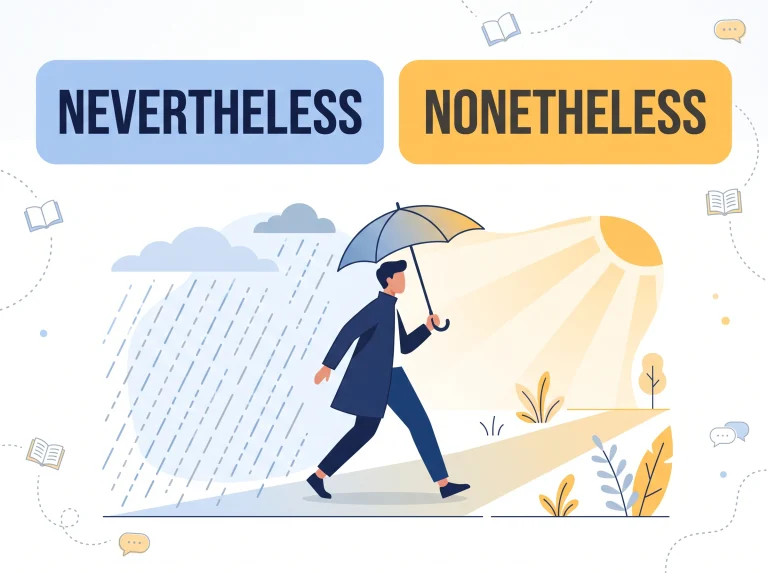
    Nevertheless or Nonetheless? Meaning, Difference, and Correct Usage

    ByEmma Collins October 16, 2026October 16, 2026

    Nevertheless and nonetheless are both correct English words. They have nearly the same meaning and are used to show that something remains true despite a fact, problem, difficulty, or contrasting situation. In most sentences, you can use either word without changing the overall meaning. For example, you can write, “It was raining; nevertheless, we went…

    Read More Nevertheless or Nonetheless? Meaning, Difference, and Correct UsageContinue

  • Whichever or Whatever? Meaning, Difference, and Correct Usage in American English
    Idioms

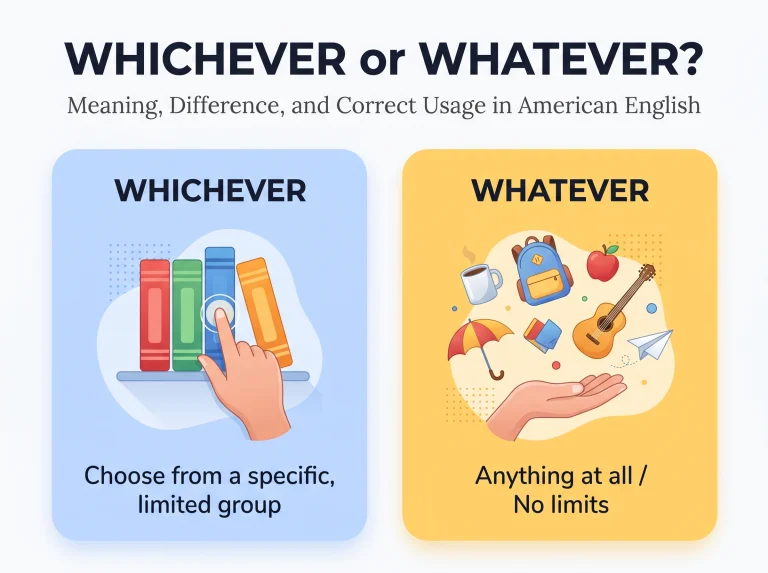
    Whichever or Whatever? Meaning, Difference, and Correct Usage in American English

    ByEmma Collins October 16, 2026October 16, 2026

    Whichever and whatever are both correct English words, but they are not always interchangeable. Use whichever when referring to a choice among available options. Use whatever when referring to anything that fits a situation, any possible thing, or something that does not need to be specified. For example, “Choose whichever shirt you prefer” usually refers…

    Read More Whichever or Whatever? Meaning, Difference, and Correct Usage in American EnglishContinue

  • Facia or Fascia? Meaning, Difference, and Correct Spelling
    Idioms

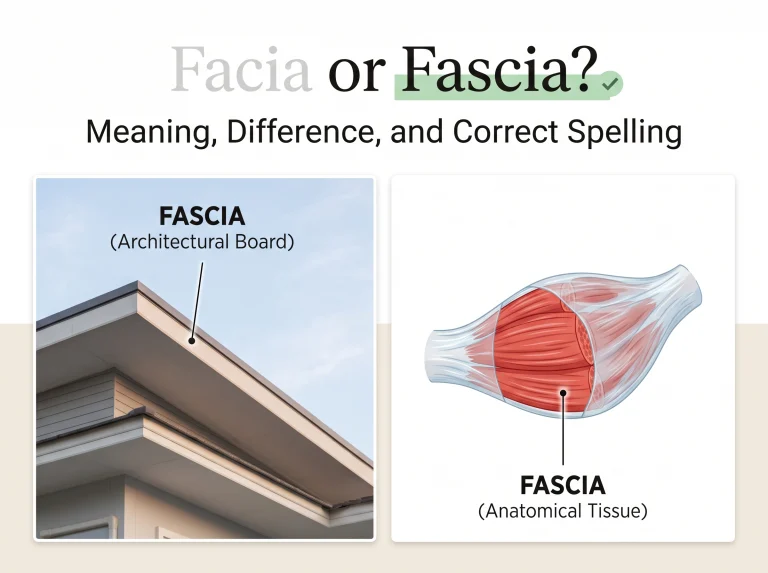
    Facia or Fascia? Meaning, Difference, and Correct Spelling

    ByEmma Collins October 16, 2026October 16, 2026

    When choosing between facia or fascia, the correct spelling for most American English writing is fascia. The word refers to different things depending on the context, including connective tissue in the body, a board along a roof’s edge, or a flat architectural surface. Facia is also a recognized variant spelling, particularly in British English, but…

    Read More Facia or Fascia? Meaning, Difference, and Correct SpellingContinue

  • Coma or Comma Meaning, Difference, and Correct Usage in American English.
    Idioms

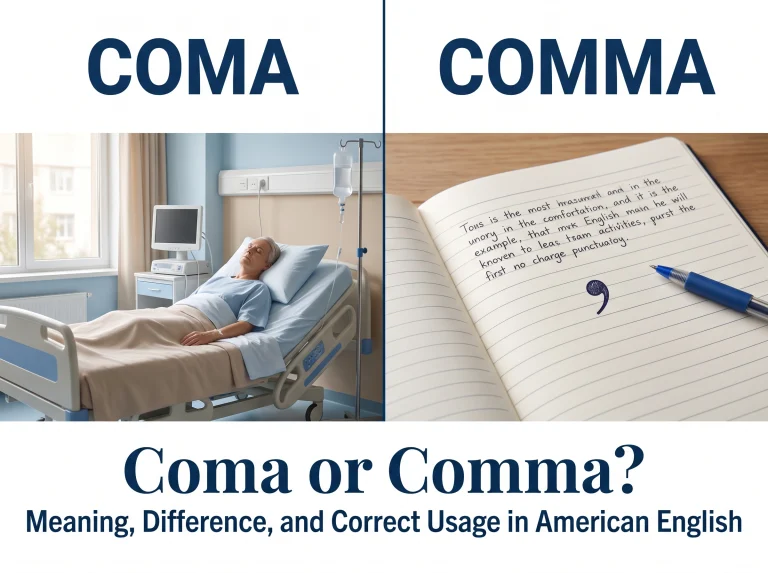
    Coma or Comma? Meaning, Difference, and Correct Usage in American English

    ByEmma Collins October 16, 2026October 16, 2026

    Have you ever wondered whether to write coma or comma? These two words look almost identical, but they have completely different meanings. One refers to a serious medical condition, while the other is a punctuation mark used in everyday writing. Adding or removing a single letter changes the meaning of the word. The correct choice…

    Read More Coma or Comma? Meaning, Difference, and Correct Usage in American EnglishContinue

  • CCD or CCD? Meaning, Differences, and Correct Usage
    Idioms

    CCD or CCD? Meaning, Differences, and Correct Usage

    ByEmma Collins October 16, 2026October 16, 2026

    The abbreviation CCD can have different meanings depending on the subject, industry, and context. When comparing “CCD or CCD,” both sides contain the same letters, so there is no spelling difference to explain. Instead, the intended meaning must be identified from the context in which the abbreviation appears. For readers in the United States, CCD…

    Read More CCD or CCD? Meaning, Differences, and Correct UsageContinue

  • Insue or Ensue? Meaning, Difference, and Correct Spelling.
    Idioms

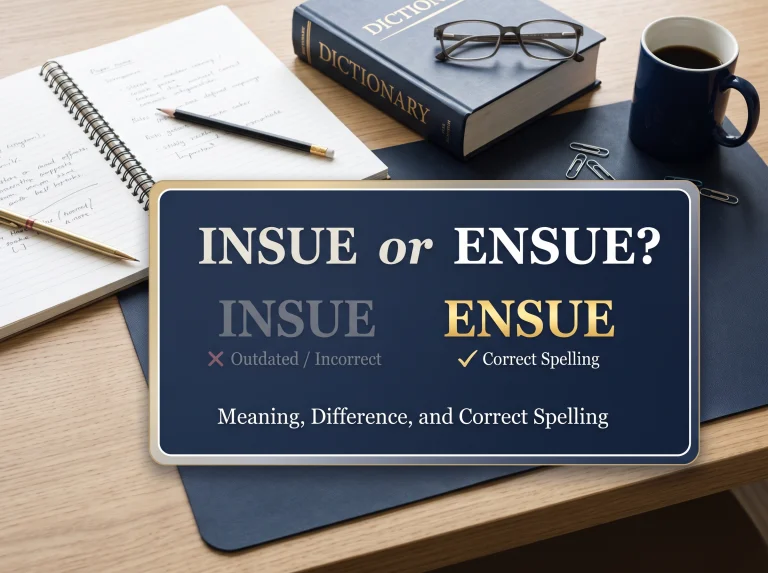
    Insue or Ensue? Meaning, Difference, and Correct Spelling

    ByEmma Collins October 16, 2026October 16, 2026

    Have you ever wondered whether to write insue or ensue when describing something that happens after an event? The correct choice in modern American English is ensue. It is a verb that means to happen afterward, particularly as a result of something that occurred earlier. For example, “A heated argument ensued after the meeting” means…

    Read More Insue or Ensue? Meaning, Difference, and Correct SpellingContinue

Page navigation

Previous PagePrevious 1 … 3 4 5 6 7 … 17 Next PageNext

2026

© 2026 Learn Idioms - WordPress Theme by Kadence WP

  • Easy Idioms Drawing
  • Pant or Pant