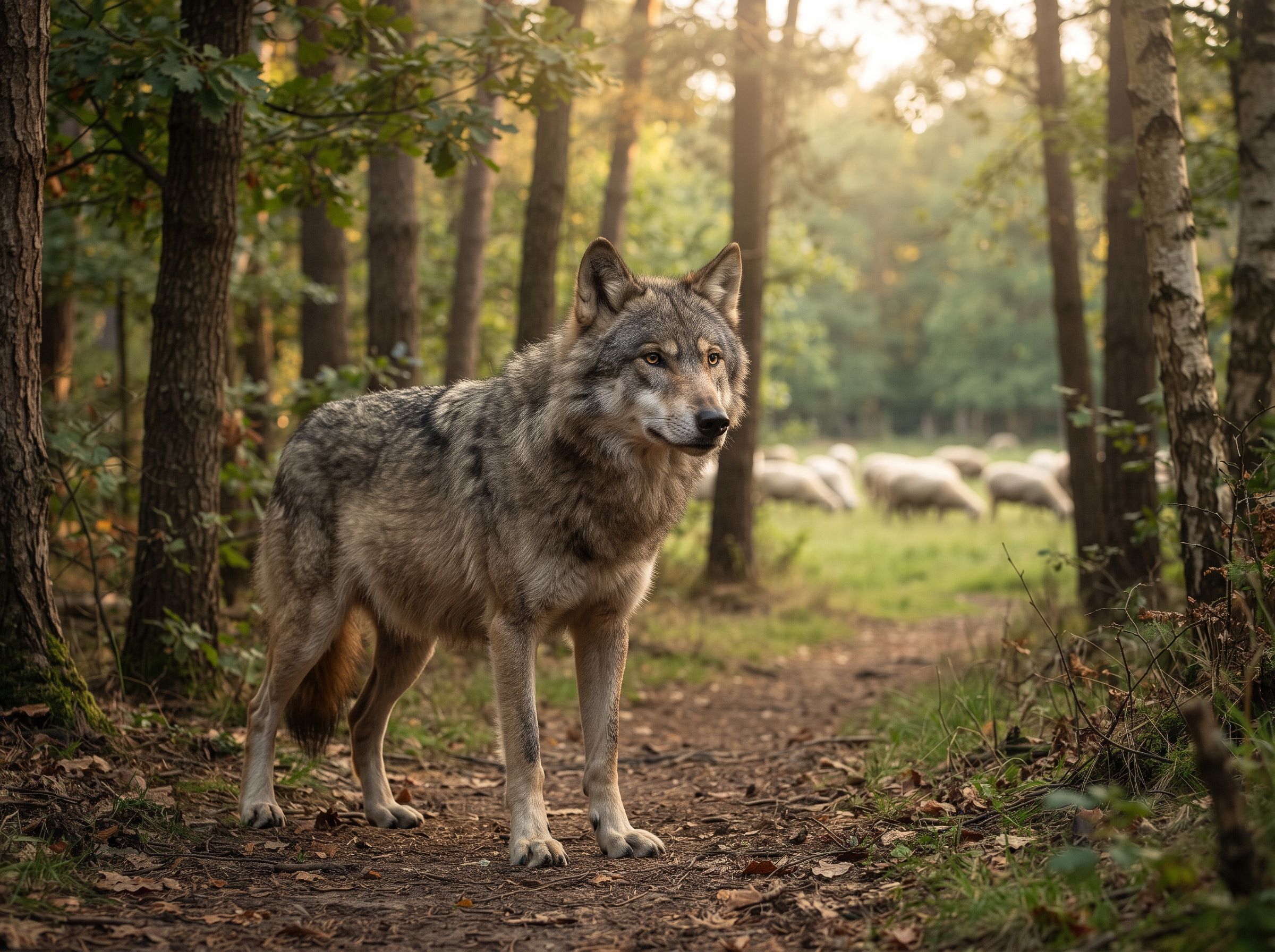
Wolf Idioms: 25 Common Expressions With Meanings and Examples
Wolf idioms are expressions that use the word wolf to communicate a figurative meaning rather than simply refer to the animal. They often describe deception, independence, hunger, financial hardship, warning others about danger, or leaving someone to face a difficult situation alone.
For example, if someone is described as a wolf in sheep’s clothing, the person is not literally a wolf. The expression means that someone appears harmless or trustworthy but may actually be deceptive or dangerous.
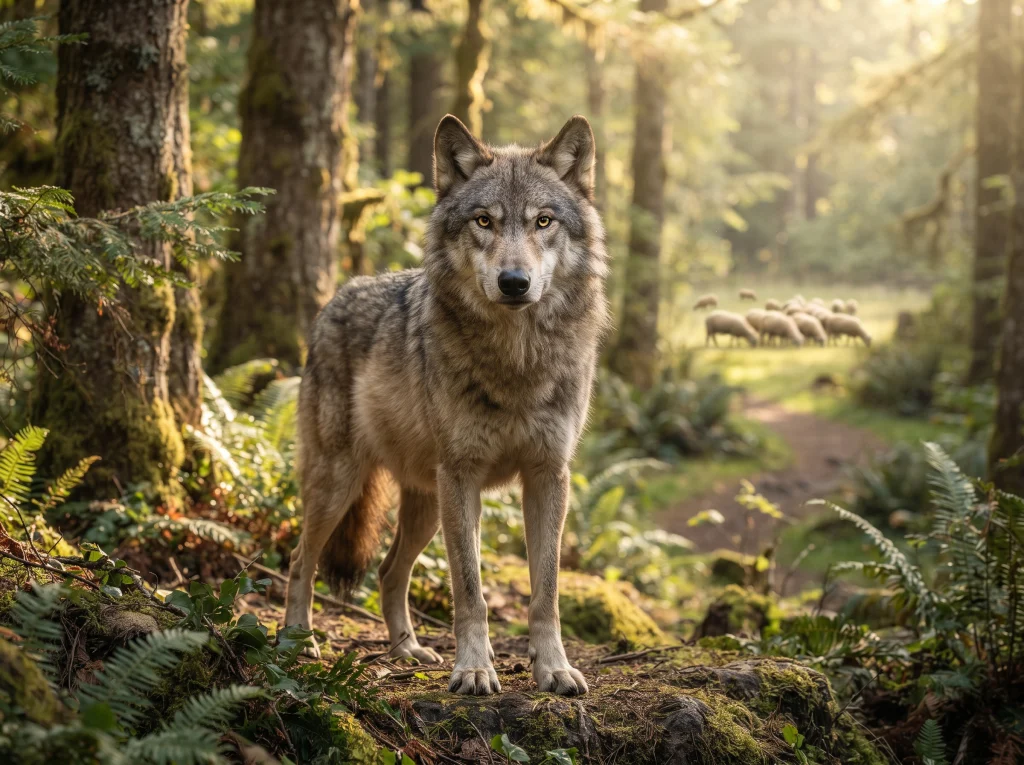
English also uses wolf as a verb. To wolf down a meal means to eat it very quickly, usually because you are hungry or in a hurry. These expressions are useful in everyday conversation, storytelling, workplace communication, and informal writing.
English meaning – Cambridge Dictionary
+2
Poem With Idioms: https://learnidioms.com/poem-with-idioms/
25 Common Wolf Idioms and Expressions With Meanings and Examples
The following expressions include established idioms, common phrases, and related figurative uses. Some are much more familiar in everyday American English than others, so the notes explain where each expression is most useful.
1. Cry Wolf
Meaning: To give a false warning or repeatedly claim that something is wrong when it is not.
This expression comes from the fable commonly known as The Boy Who Cried Wolf. When someone repeatedly raises false alarms, other people may stop taking their warnings seriously.
Examples:
- Stop crying wolf about every little problem. People may not believe you when something serious happens.
- He cried wolf so many times that his coworkers ignored his latest warning.
2. A Wolf in Sheep’s Clothing
Meaning: A person who appears kind, harmless, or trustworthy but is actually deceptive or dangerous.
This idiom warns people not to judge someone entirely by their friendly appearance.
Examples:
- The dishonest salesman was a wolf in sheep’s clothing.
- She seemed helpful at first, but her behavior made me wonder whether she was a wolf in sheep’s clothing.
3. Keep the Wolf From the Door
Meaning: To earn or obtain enough money to meet basic needs and avoid poverty.
This expression is often used when discussing financial pressure, bills, or the struggle to afford necessities.
Examples:
- He took a second job to keep the wolf from the door.
- Their small business earns just enough to keep the wolf from the door.
4. A Lone Wolf
Meaning: Someone who prefers to work, act, or spend time independently rather than as part of a group.
A lone wolf is not necessarily unfriendly. The phrase can simply describe a person who enjoys independence.
Examples:
- Jake is a lone wolf who prefers working on projects by himself.
- She’s always been a lone wolf, even when her friends invite her to join their group.
5. Throw Someone to the Wolves
Meaning: To abandon someone or leave them to face criticism, danger, or trouble without support.
This expression is often used when a person sacrifices someone else’s interests to protect their own.
Examples:
- The manager threw his assistant to the wolves during the difficult meeting.
- I trusted my teammate, but he threw me to the wolves when the client complained.
6. Keep the Wolves at Bay
Meaning: To prevent trouble, danger, or unwanted pressure from getting closer.
The phrase suggests holding a threat back rather than eliminating it permanently.
Examples:
- The emergency savings helped keep financial worries at bay.
- Regular maintenance can help keep expensive repairs at bay.
7. The Wolf Is at the Door
Meaning: A serious threat or hardship is approaching, especially financial trouble.
This expression emphasizes urgency. It can describe a household struggling to pay bills or a business facing a serious financial challenge.
Examples:
- With the rent overdue and no paycheck coming, the wolf was at the door.
- The company needs more customers because the wolf is at the door.
8. Wolf Down
Meaning: To eat something very quickly and eagerly.
This informal expression is especially common in casual conversation. It can be used with foods such as sandwiches, pizza, lunch, or snacks.
Examples:
- I wolfed down my sandwich before the meeting started.
- The kids wolfed down their pizza after soccer practice.
English meaning – Cambridge Dictionary
+3
9. Hungry Like a Wolf
Meaning: Extremely hungry.
This is an expressive comparison rather than a fixed idiom in every context. It is useful in casual speech when ordinary words such as hungry do not feel strong enough.
Examples:
- I’m hungry like a wolf after that three-hour hike.
- The teenagers came home hungry like wolves after basketball practice.
10. A Wolf Whistle
Meaning: A loud, often suggestive whistle directed at someone, traditionally to express attraction.
The expression is associated with public behavior and can imply disrespect or unwanted attention, depending on the situation.
Examples:
- The actor described receiving a wolf whistle from someone in the crowd.
- The group discussed why wolf whistling at strangers can make them uncomfortable.
11. Run With the Wolves
Meaning: To associate with a group portrayed as wild, aggressive, or rebellious.
The expression can suggest that a person’s companions are influencing their behavior. Its exact meaning depends on context.
Examples:
- His parents worried that he was running with the wolves.
- She started running with a more adventurous crowd after moving to the city.
12. Set a Wolf to Guard the Sheep
Meaning: To put an untrustworthy person in charge of something they could exploit.
This expression is closely related to the idea of giving a dangerous person responsibility for protecting vulnerable people or valuable resources.
Examples:
- Putting the dishonest employee in charge of the cash was like setting a wolf to guard the sheep.
- Asking a known gossip to keep the secret would be like setting a wolf to guard the sheep.
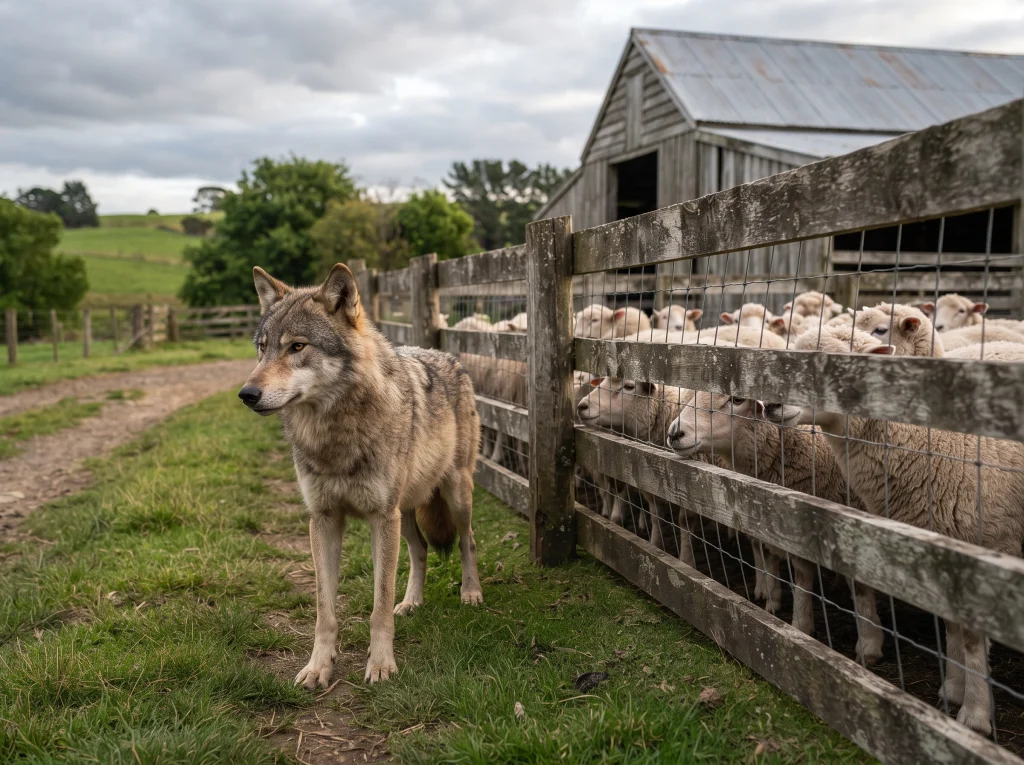
13. A Wolf at the Door
Meaning: An approaching danger or hardship that threatens someone’s security.
This is a related form of the wolf is at the door. It frequently appears in writing about poverty, insecurity, and other pressures.
Examples:
- For families without steady income, an unexpected medical bill can feel like a wolf at the door.
- The owner saw the growing debt as a wolf at the door.
14. Crying Wolf
Meaning: The act of repeatedly giving false alarms or making warnings that people eventually stop believing.
Crying wolf is the -ing form of cry wolf. It can describe an ongoing pattern rather than a single warning.
Examples:
- Constantly exaggerating small problems is like crying wolf.
- The repeated false reports made people think he was crying wolf again.
15. Wolfish Grin
Meaning: A grin that appears sly, predatory, or mischievous.
This is a descriptive expression, not one of the core traditional wolf idioms. It is more likely to appear in fiction, character descriptions, or expressive writing.
Examples:
- He gave a wolfish grin when he realized he had won the game.
- A wolfish grin spread across her face as she revealed the surprise.
16. Wolf Down a Meal
Meaning: To finish a meal very quickly.
This is a specific use of wolf down. The phrase focuses on the speed of eating, not necessarily on poor manners.
Examples:
- We wolfed down our meals and hurried back to work.
- She wolfed down breakfast because her bus was arriving in five minutes.
17. Wolf in the Fold
Meaning: A deceptive or dangerous person who has gained access to a trusted group.
This is a less common expression related to a wolf in sheep’s clothing. It uses the image of a predator among a flock of sheep.
Examples:
- The investigation revealed a wolf in the fold who had been sharing confidential information.
- The team became more careful about checking credentials after discovering a wolf in the fold.
18. The Big Bad Wolf
Meaning: A threatening or intimidating person, often portrayed as the villain or source of fear.
The phrase is strongly associated with fairy tales, including Little Red Riding Hood and The Three Little Pigs. In everyday speech, it can also be used humorously.
Examples:
- Don’t act like the big bad wolf just because someone made a mistake.
- The children imagined the strict principal as the big bad wolf of the school.
19. Wolf Pack
Meaning: Literally, a group of wolves; figuratively, a close-knit group of people, depending on context.
When used for people, this phrase may suggest loyalty, group identity, or a group acting together. It is not always an idiom and can be a straightforward reference to animals.
Examples:
- The friends called themselves a wolf pack because they always supported one another.
- The documentary followed a wolf pack as it traveled through the forest.
20. A Wolf in the Henhouse
Meaning: Someone or something dangerous placed among vulnerable people or valuable things.
This is a transparent metaphor related to the more established wolf in sheep’s clothing and set a wolf to guard the sheep. It is best treated as a descriptive phrase rather than a universally fixed idiom.
Examples:
- Giving the competitor access to the company’s private plans felt like putting a wolf in the henhouse.
- The board worried that the new arrangement would put a wolf in the henhouse.
21. Man Is a Wolf to Man
Meaning: People can behave cruelly or exploit one another.
This saying expresses a pessimistic view of human behavior. It is often encountered in philosophical or literary discussions rather than ordinary casual conversation.
Examples:
- The novel portrays a world where man is a wolf to man.
- After witnessing the betrayal, he reflected on the saying that man is a wolf to man.
22. Wolfish Appetite
Meaning: An extremely strong appetite.
This descriptive phrase compares someone’s hunger to the image of a hungry wolf. It is more literary or expressive than a standard everyday idiom.
Examples:
- After the long bike ride, he had a wolfish appetite.
- The hikers returned to camp with a wolfish appetite.
23. Wolf Down a Snack
Meaning: To eat a snack very quickly.
This is another natural use of the verb wolf down. It works well in informal American English.
Examples:
- I wolfed down a granola bar between classes.
- She wolfed down a snack before heading to the gym.
24. Keep the Wolves from the Door
Meaning: To protect oneself or one’s household from hardship, particularly financial hardship.
This is a plural variation of keep the wolf from the door. Both forms communicate the idea of meeting basic needs and keeping trouble away.
Examples:
- Their temporary jobs helped keep the wolves from the door.
- The extra income kept the wolves from the door until business improved.

25. Wolf Something Down
Meaning: To consume food quickly and eagerly.
This grammatical variation places the food object between wolf and down. Both wolf down something and wolf something down are used.
Examples:
- He wolfed the leftovers down before leaving.
- The players wolfed their sandwiches down after practice.
Usage note: Several entries above are variations of the same core expression or descriptive phrases, not separate traditional idioms. The most firmly established expressions include cry wolf, a wolf in sheep’s clothing, keep the wolf from the door, a lone wolf, throw someone to the wolves, and wolf down.
EnglishPractice.com
+2
How to Use Wolf Idioms Naturally in American English
Wolf idioms can make your English more expressive, but the best way to use them is to match the expression to the situation. Some are common in everyday American conversation, while others sound more literary, humorous, or dramatic.

At work
Use throw someone to the wolves when a colleague is left to handle a difficult situation without support.
Example: “The supervisor threw me to the wolves during the client meeting.”

With friends and family
Use wolf down when someone eats quickly.
Example: “I wolfed down my dinner because I was running late.”

When describing personality
Use a lone wolf for someone who prefers to work independently.
Example: “My brother is a lone wolf who enjoys hiking by himself.”

When discussing money
Use keep the wolf from the door to describe earning enough to cover basic expenses.
Example: “The weekend job helps me keep the wolf from the door.”
Tips for using these expressions
- Pay attention to tone. A wolf in sheep’s clothing can sound like a serious accusation, so use it carefully when talking about real people.
- Use informal expressions in suitable situations. Wolf down is natural in casual conversation, but a formal report might simply say “eat quickly.”
- Learn the grammar. You can say “She wolfed down her lunch” or “She wolfed her lunch down.”
- Avoid forcing an idiom into every sentence. A direct explanation is often clearer, especially in professional or sensitive conversations.
Shop Idioms: https://learnidioms.com/shop-idioms/
Common Mistakes When Learning Wolf Idioms
Learning the meaning of an idiom is only part of using it correctly. The following mistakes can make an otherwise understandable sentence sound unnatural.
| Common mistake | Better usage |
|---|---|
| Using cry wolf to mean giving a truthful warning | Use it for a false alarm or an untrustworthy warning. |
| Thinking a lone wolf always means a dangerous person | It usually describes someone who prefers independence. |
| Using wolf down to describe drinking in every situation | It most naturally refers to eating food quickly. |
| Assuming a wolf in sheep’s clothing refers to someone’s appearance alone | The expression implies a contrast between an innocent appearance and deceptive or dangerous behavior. |
| Treating every wolf-related phrase as a standard idiom | Some are creative metaphors, literary descriptions, or variations of established expressions. |
Remember the difference between literal and figurative meanings
A wolf is a real wild animal, but in idiomatic English the word can represent a warning, a threat, or a particular human behavior. Context helps the listener understand which meaning is intended.
For instance:
- Literal: “We saw a wolf during our wildlife tour.”
- Figurative: “The dishonest investor was a wolf in sheep’s clothing.”
The first sentence refers to an animal. The second uses a familiar metaphor to describe a person’s behavior.
Why Learn Wolf Idioms?
Learning wolf idioms helps English learners understand expressions they may encounter in books, movies, news stories, conversations, and workplace discussions. These phrases can also help you express ideas more vividly without relying on long explanations.
They are especially useful for understanding figurative language. Recognizing cry wolf, for example, helps you understand why someone might stop believing repeated warnings. Knowing keep the wolf from the door makes it easier to understand a discussion about financial hardship.
For American English learners, a practical approach is to start with the most familiar expressions, learn their grammar, and practice using them in realistic sentences. You do not need to memorize every variation at once.
Insulting Idioms: https://learnidioms.com/insulting-idioms/
Frequently Asked Questions About Wolf Idioms
Conclusion
Wolf idioms add color and meaning to English by using the image of a wolf to describe human behavior, warnings, independence, hunger, and hardship. Expressions such as cry wolf, a lone wolf, wolf down, and keep the wolf from the door are useful starting points for learners who want to understand figurative language and communicate more naturally.





3 Comments