50 Animal Idioms: Meanings and Examples in American English
Animal idioms are common in American English, and they make everyday conversations more colorful and expressive. People use expressions such as “busy as a bee,” “let the cat out of the bag,” and “the elephant in the room” to describe personalities, explain situations, and communicate ideas in a memorable way. Although these expressions mention animals, their meanings are usually figurative rather than literal.
Learning animal idioms can help English learners understand movies, books, conversations, workplace discussions, and informal American speech. Some expressions describe hard work or bravery, while others refer to secrets, arguments, mistakes, and difficult circumstances. The following 50 animal idioms include simple meanings and natural example sentences to help you understand how Americans use them.
What Are Animal Idioms?
Animal idioms are expressions that include the names or characteristics of animals but communicate a figurative meaning. For example, calling someone a “dark horse” does not mean the person is an actual horse. It means the person has unexpected abilities or may achieve surprising success.
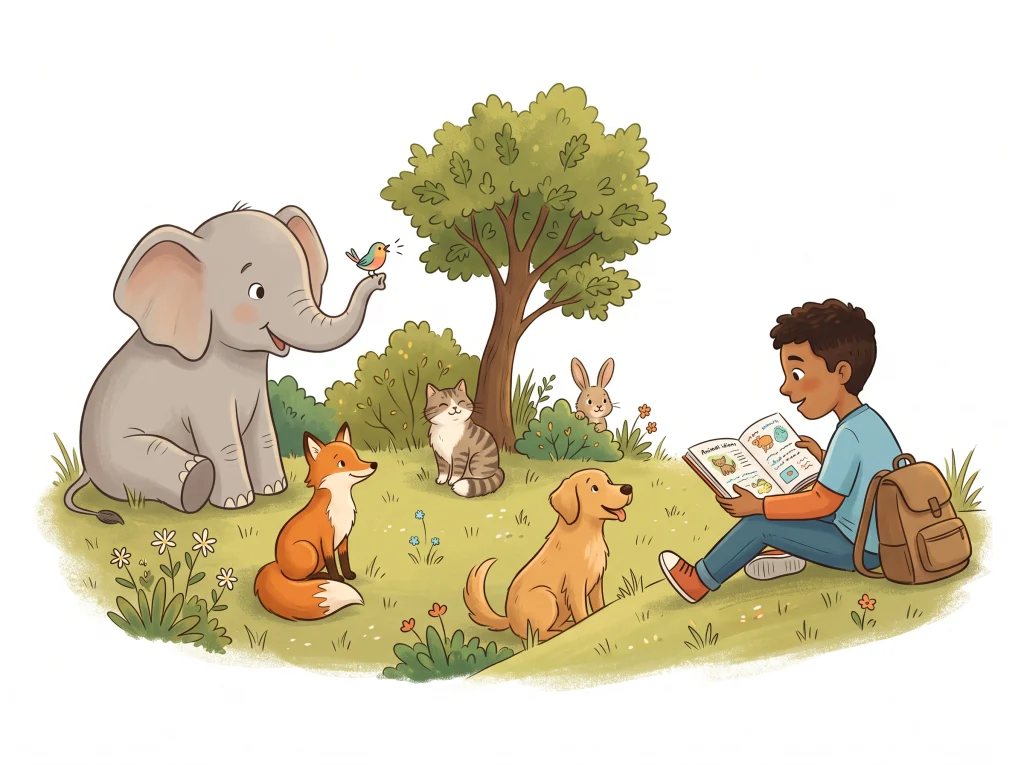
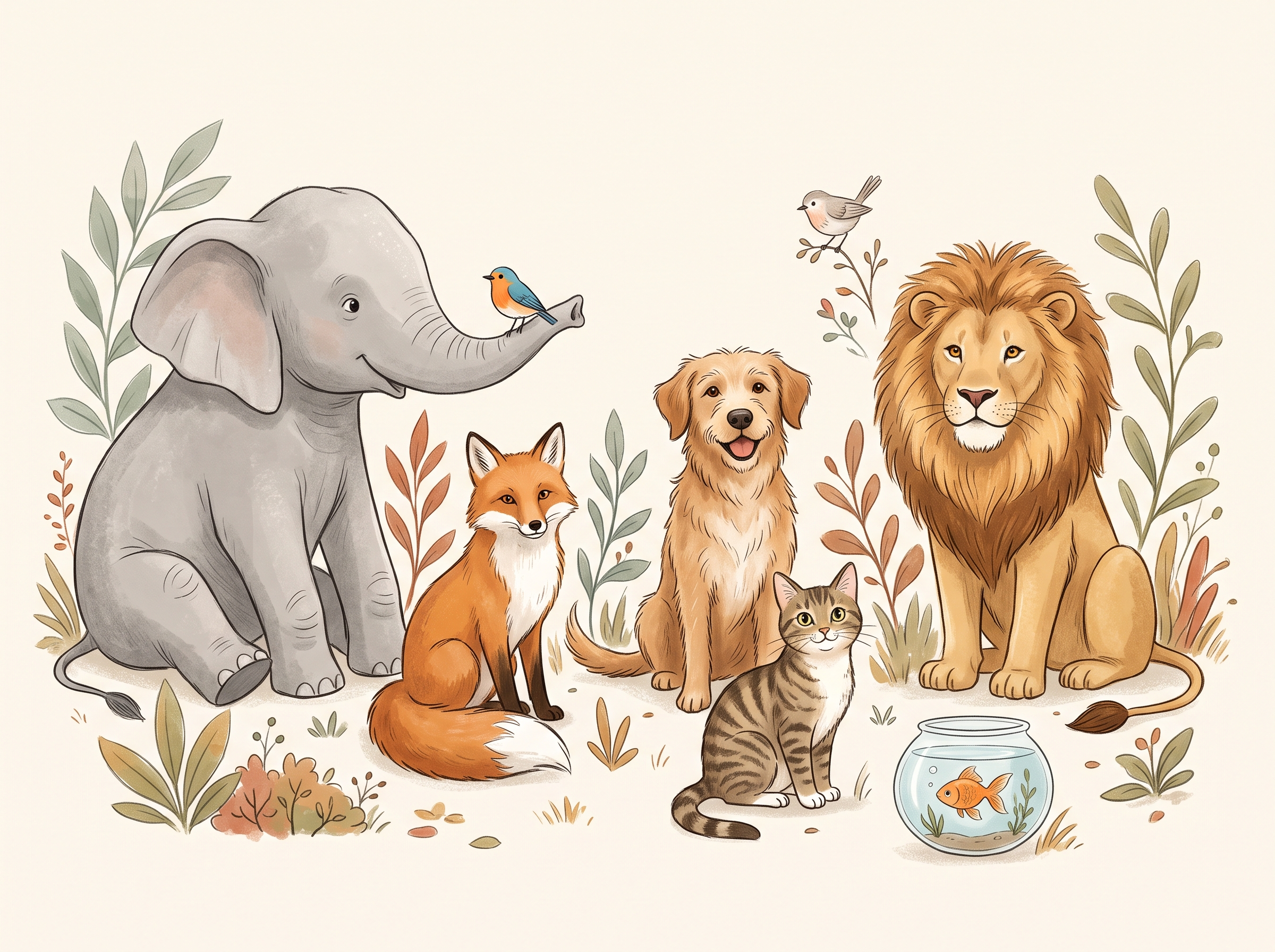
Animal idioms often reflect characteristics people associate with particular animals, such as a bee’s activity, a fox’s cleverness, or a lion’s courage. However, the meaning of each expression depends on how it is used in a sentence.
50 Common Animal Idioms With Meanings and Examples
Everyday Animal Expressions
These familiar expressions appear in casual conversations, stories, and everyday American English.
1. Busy as a Bee
Meaning: Extremely busy and active.
Example: Maria has been busy as a bee preparing for her final exams.
2. Let the Cat Out of the Bag
Meaning: To reveal a secret, either accidentally or intentionally.
Example: Jake let the cat out of the bag when he mentioned the surprise party.
3. The Elephant in the Room
Meaning: An obvious problem or uncomfortable subject that people avoid discussing.
Example: Everyone knew the project was over budget, but nobody wanted to address the elephant in the room.
4. A Little Bird Told Me
Meaning: A playful way to say you learned something from an unnamed source.
Example: A little bird told me that you got the promotion.
5. Hold Your Horses
Meaning: Wait patiently or slow down before acting.
Example: Hold your horses! We need to check the details before signing the contract.
6. Kill Two Birds With One Stone
Meaning: To accomplish two goals with one action.
Example: I stopped at the grocery store on my way home and killed two birds with one stone by picking up dinner and my prescription.
7. The Early Bird Catches the Worm
Meaning: People who act early often have an advantage.
Example: We arrived before the store opened because the early bird catches the worm.
8. Birds of a Feather Flock Together
Meaning: People with similar interests or personalities tend to spend time together.
Example: Both cousins love hiking and camping, so birds of a feather flock together.
9. Make a Beeline for Something
Meaning: To move directly toward a particular place or object.
Example: As soon as the doors opened, the shoppers made a beeline for the sale section.
10. When Pigs Fly
Meaning: Something will never happen or is extremely unlikely to happen.
Example: My brother said he would clean his room without being asked. I’ll believe that when pigs fly.
Idioms About Personality and Behavior
Animal expressions can describe someone’s intelligence, confidence, personality, or way of behaving.
11. A Dark Horse
Meaning: A person who has hidden talents or unexpectedly becomes successful.
Example: Nobody expected Daniel to win the competition, but he turned out to be a dark horse.
12. A Wolf in Sheep’s Clothing
Meaning: Someone who appears harmless or friendly but has dishonest or harmful intentions.
Example: The salesperson seemed trustworthy, but the fraudulent offer revealed a wolf in sheep’s clothing.
13. A Copycat
Meaning: A person who imitates another person’s behavior, ideas, or style.
Example: My little sister became a copycat and started wearing the same outfits as me.
14. A Fish Out of Water
Meaning: Someone who feels uncomfortable or out of place in an unfamiliar situation.
Example: I felt like a fish out of water at my first formal business dinner.
15. A Lone Wolf
Meaning: Someone who prefers working or spending time alone rather than being part of a group.
Example: Although the rest of the team enjoyed brainstorming together, Kevin was a lone wolf who preferred working independently.
16. As Strong as an Ox
Meaning: Extremely strong and physically powerful.
Example: My grandfather is in his seventies, but he is still as strong as an ox.
17. As Stubborn as a Mule
Meaning: Extremely unwilling to change an opinion or decision.
Example: My cousin is as stubborn as a mule and refuses to admit when he is wrong.
18. As Quiet as a Mouse
Meaning: Very quiet, shy, or hardly noticeable.
Example: The children were as quiet as mice while their mother took a phone call.
19. Have a Cow
Meaning: To become extremely upset, angry, or worried about something.
Example: Dad will have a cow when he sees the dent in the car.
20. Act Like a Chicken
Meaning: To behave in a fearful or cowardly way.
Example: Stop acting like a chicken and speak up when you know the answer.
Idioms About Problems and Difficult Situations
These animal idioms help describe pressure, conflict, uncertainty, and complicated circumstances.
21. Open a Can of Worms
Meaning: To create a complicated problem or start a discussion that leads to more difficulties.
Example: Bringing up the old disagreement could open a can of worms at the family meeting.
22. Get Someone’s Goat
Meaning: To annoy or irritate someone.
Example: My neighbor’s habit of playing loud music late at night really gets my goat.
23. A Wild Goose Chase
Meaning: A search or task that is unlikely to produce the desired result.
Example: Looking for the missing receipt without checking the office records was a wild goose chase.
24. Go Down a Rabbit Hole
Meaning: To become deeply involved in a subject or activity, often for longer than intended.
Example: I went down a rabbit hole researching old family photographs and forgot about dinner.
25. Smell a Rat
Meaning: To suspect that something dishonest or suspicious is happening.
Example: I smelled a rat when the seller demanded payment before showing me the product.
26. Until the Cows Come Home
Meaning: For a very long time, often without producing a useful result.
Example: You can argue about the same issue until the cows come home, but someone still needs to make a decision.
27. A Snake in the Grass
Meaning: A person who secretly behaves dishonestly or betrays others.
Example: He pretended to support his coworkers but spread rumors about them behind their backs. He was a snake in the grass.
28. Put the Cart Before the Horse
Meaning: To do things in the wrong order.
Example: Buying furniture before choosing an apartment is putting the cart before the horse.
29. Like a Deer in Headlights
Meaning: So shocked, confused, or frightened that someone cannot react.
Example: When the teacher asked him to explain his mistake, he stood there like a deer in headlights.
30. The Lion’s Share
Meaning: The largest part of something.
Example: The marketing department received the lion’s share of the annual budget.
Idioms About Success, Competition, and Relationships
These expressions are useful for discussing achievements, teamwork, rivalry, and social relationships.
31. The Cat’s Meow
Meaning: Something or someone considered especially excellent, attractive, or impressive.
Example: Everyone at the party thought her vintage dress was the cat’s meow.
32. A Bird in the Hand Is Worth Two in the Bush
Meaning: A guaranteed benefit is often better than a larger but uncertain opportunity.
Example: I decided to accept the job offer instead of waiting for a possible promotion elsewhere. A bird in the hand is worth two in the bush.
33. Monkey See, Monkey Do
Meaning: People, especially children, tend to imitate what others do.
Example: The younger students copied the older kids’ behavior. It was a classic case of monkey see, monkey do.
34. A Paper Tiger
Meaning: Someone or something that appears powerful but is actually weak or ineffective.
Example: The company made impressive promises, but its lack of resources made it a paper tiger.
35. Have Bigger Fish to Fry
Meaning: To have more important matters to deal with.
Example: I cannot spend the afternoon arguing about a minor disagreement because I have bigger fish to fry.
36. Get Your Ducks in a Row
Meaning: To organize everything and prepare carefully before taking action.
Example: We need to get our ducks in a row before launching the new business.
37. Let Sleeping Dogs Lie
Meaning: Avoid bringing up an old problem that could cause unnecessary trouble.
Example: Their disagreement happened years ago, so I decided to let sleeping dogs lie.
38. Have a Tiger by the Tail
Meaning: To be involved in a difficult or risky situation that is hard to control.
Example: The manager had a tiger by the tail after promising customers a deadline the team could not meet.
39. The Top Dog
Meaning: The person or organization with the most power, influence, or success in a particular group.
Example: After winning three consecutive championships, the team became the top dog in its division.
40. Fight Like Cats and Dogs
Meaning: To argue or fight frequently and intensely.
Example: My two brothers fight like cats and dogs, but they always help each other when it matters.
Idioms About Talking, Thinking, and Making Decisions
These expressions describe communication, careful planning, difficult choices, and unexpected developments.
41. Barking Up the Wrong Tree
Meaning: To pursue the wrong explanation, person, or course of action.
Example: If you think I deleted the files, you are barking up the wrong tree.
42. Straight From the Horse’s Mouth
Meaning: Information received directly from the original or most reliable source.
Example: I heard the store was closing straight from the horse’s mouth when the owner announced it.
43. Eagle-Eyed
Meaning: Extremely observant and quick to notice small details.
Example: The eagle-eyed editor spotted a spelling mistake in the headline.
44. A Bull in a China Shop
Meaning: Someone who behaves carelessly or clumsily in a delicate situation.
Example: He acted like a bull in a china shop during the negotiations and offended several important clients.
45. A Can of Worms
Meaning: A complicated or sensitive issue that may lead to additional problems when addressed.
Example: Investigating the missing funds could open a can of worms for the organization.
46. Take the Bull by the Horns
Meaning: To face a difficult situation directly and confidently.
Example: Instead of avoiding the overdue bills, Priya took the bull by the horns and created a repayment plan.
47. A Cat Nap
Meaning: A short, light sleep.
Example: I took a cat nap during my lunch break so I could finish the afternoon feeling refreshed.
48. Put a Bug in Someone’s Ear
Meaning: To give someone an idea or suggestion, often indirectly.
Example: I put a bug in my manager’s ear about offering flexible work hours.
49. Horse Around
Meaning: To play roughly, behave foolishly, or waste time instead of taking something seriously.
Example: The coach told the players to stop horsing around and focus on practice.
50. Curiosity Killed the Cat
Meaning: Being too curious or interfering in something unnecessarily can lead to trouble.
Example: Don’t read your coworker’s private messages. Curiosity killed the cat.
How to Use Animal Idioms in American English
Animal idioms are especially common in informal conversations, entertainment, storytelling, and workplace discussions. However, some expressions are more appropriate for particular situations than others. Understanding their tone helps you choose the right phrase.
Use the Idiom in the Right Context
Some idioms are playful, while others can sound critical or insulting. For example, “busy as a bee” is generally a positive or neutral description of someone working hard. In contrast, calling someone “a snake in the grass” suggests dishonesty and can seriously offend that person.
Consider the audience before using an expression. A humorous idiom may work well among friends but may be inappropriate in a formal business presentation or sensitive conversation.
Learn Idioms Through Complete Sentences
Memorizing an expression’s meaning is useful, but seeing it in context makes it easier to remember. Instead of learning only that “hold your horses” means to wait, practice using it in a complete sentence such as, “Hold your horses until we receive the final approval.”
Reading American novels, watching television shows, and listening to natural conversations can also help you recognize how people use these expressions. Pay attention to the situation, tone, and relationship between speakers.
Avoid Taking Idioms Literally
The words in an idiom do not always explain its intended meaning. For example, “smell a rat” usually means suspecting dishonesty, not detecting an actual animal. Similarly, “the lion’s share” refers to the largest portion of something rather than a portion belonging to a lion.
When you encounter an unfamiliar expression, look at the entire sentence and identify the idea the speaker wants to communicate.

Why Animal Idioms Are Common in English
Animals have long been part of human stories, traditions, farming, and daily life. Their familiar behaviors provide convenient comparisons for describing human characteristics and experiences. A bee suggests activity, a fox often represents cleverness, and a lion commonly symbolizes courage or strength.
These associations help people communicate complicated ideas using short, memorable expressions. Animal idioms also make stories and conversations more engaging because they create vivid mental images.
Not every animal idiom is positive, and the same animal can appear in expressions with different meanings. For instance, “busy as a bee” describes activity, while “a bee in your bonnet” describes an idea or concern that someone cannot stop thinking about. Learning expressions individually, rather than assuming every animal has one fixed meaning, helps prevent misunderstandings.
Frequently Asked Questions:
Conclusion
Animal idioms are an important part of everyday American English. Expressions such as “let the cat out of the bag,” “take the bull by the horns,” and “barking up the wrong tree” allow speakers to communicate ideas in memorable and natural ways.
The best way to learn these expressions is to understand their meanings, study examples, and practice using them in appropriate situations. Start with a few familiar idioms and gradually add more as you encounter them in conversations, books, and movies. With regular practice, animal idioms can become a natural part of your English vocabulary.