Pictures for Idioms: 50+ Common English Idioms With Meanings and Examples
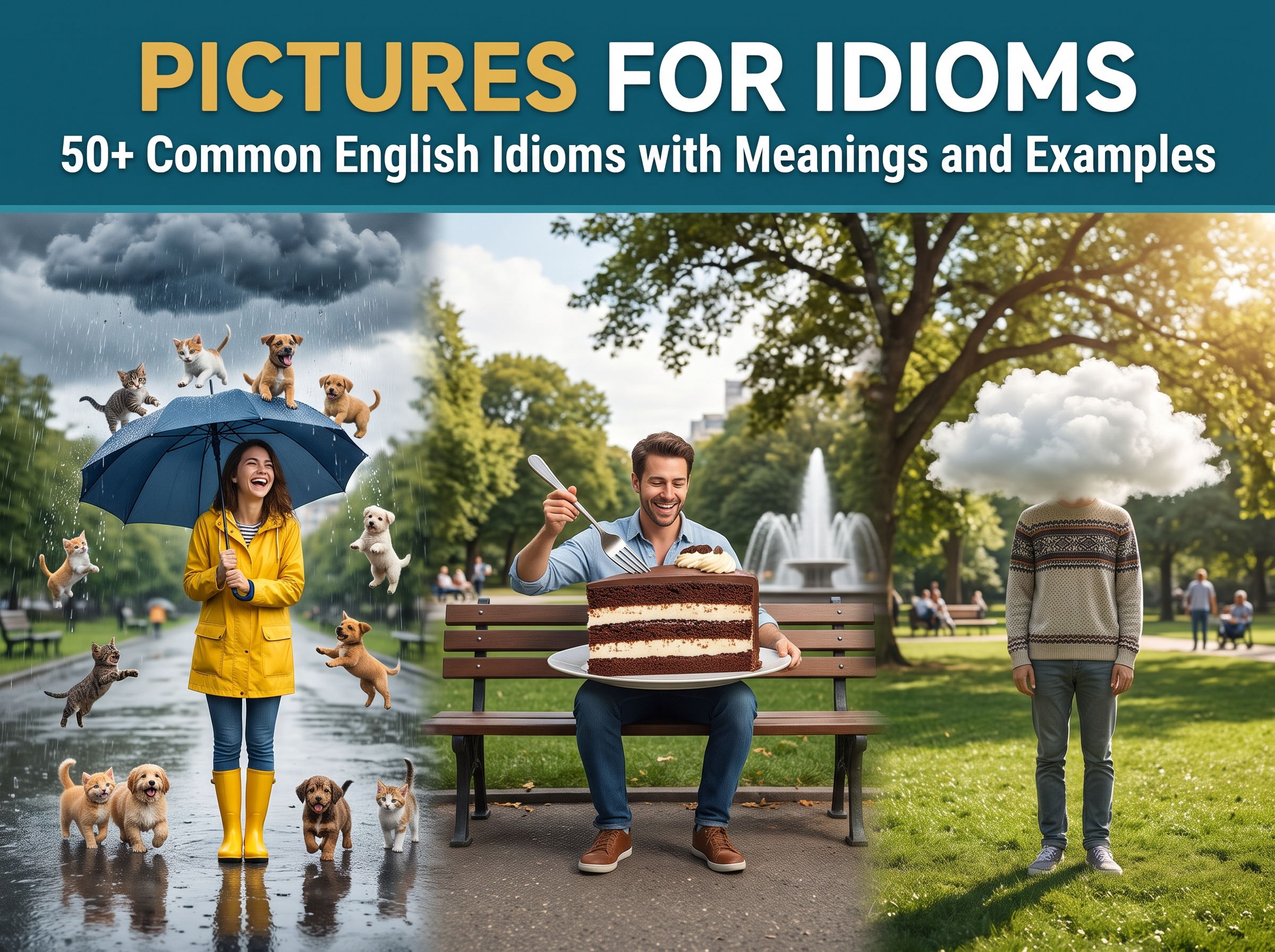
English idioms can be difficult to understand because their meanings are often different from the literal meanings of their words. For example, someone who says, “It’s raining cats and dogs” does not mean animals are falling from the sky. They mean that it is raining very heavily.
Pictures for idioms make these expressions easier to understand by connecting words with visual ideas. A picture of cats and dogs falling from the clouds can help learners remember what the expression means. Visual examples are especially useful for English learners, students, teachers, and anyone who wants to improve everyday communication.
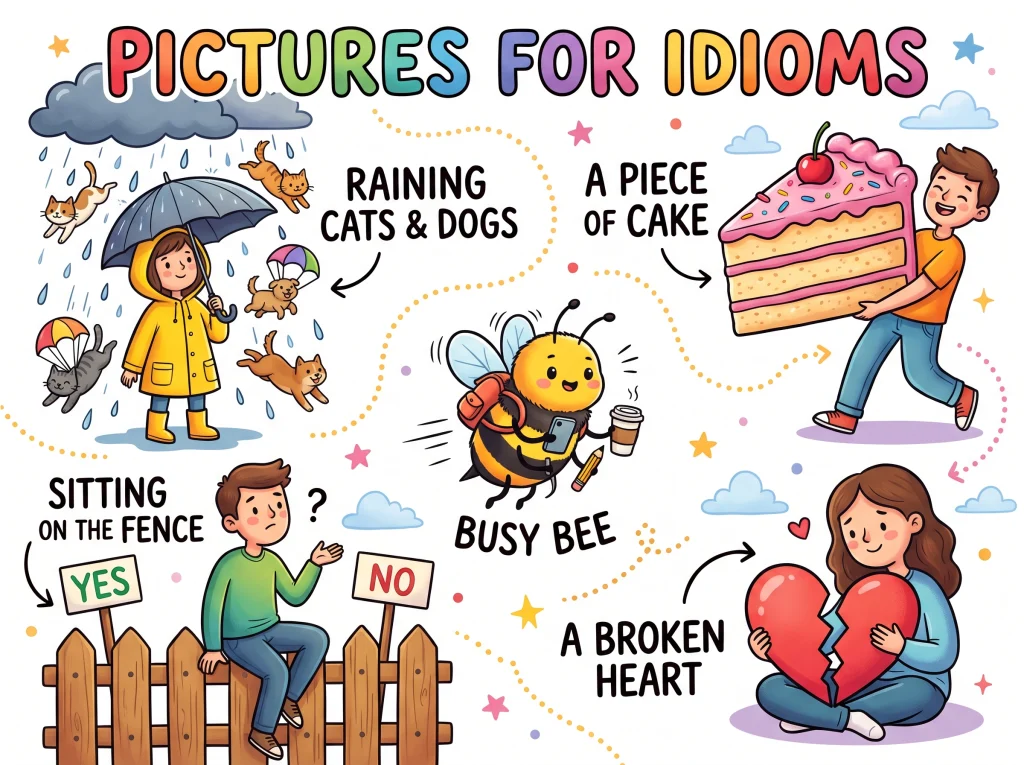
In this guide, you will find more than 50 common English idioms, their meanings, and example sentences. Each expression includes a simple visual concept that helps explain its meaning and makes it easier to remember.
What Are Pictures for Idioms?
Pictures for idioms are visual illustrations that explain the meanings of English idiomatic expressions. They show the literal words of an idiom, its figurative meaning, or a combination of both.
For example, the idiom “break the ice” literally suggests breaking a piece of ice. However, its actual meaning is to make people feel more comfortable when they first meet or when a conversation feels awkward.
An illustration might show two people standing beside a large piece of ice that is breaking apart. This visual connection helps learners understand and remember the expression.
Picture-based idiom learning can include:
- Cartoon illustrations showing the literal meaning of an idiom.
- Realistic scenes representing the figurative meaning.
- Side-by-side comparisons of literal and figurative meanings.
- Educational flashcards with pictures, definitions, and examples.
- Printable worksheets that connect idioms with their meanings.
The main purpose is to make unfamiliar expressions easier to understand without memorizing long definitions.
Why Are Pictures Helpful for Learning Idioms?
Pictures provide a visual connection between an unfamiliar expression and its meaning. Instead of learning an idiom through words alone, learners can associate it with a recognizable scene or situation.
For example, a picture of someone holding a bag of money can represent “cost an arm and a leg,” while a person sitting on a fence can illustrate “sit on the fence.”
Visual learning can be particularly helpful for beginners and students who are still developing their English vocabulary.
Some important benefits include:
Better understanding: Illustrations can explain expressions that are difficult to understand through literal translation.
Easier memorization: A memorable image gives learners another way to recall an idiom.
Improved vocabulary: Pictures introduce new expressions alongside their meanings and everyday uses.
More engaging lessons: Teachers can use idiom illustrations in classroom activities, presentations, and worksheets.
Better speaking practice: Learners can use visual examples to create their own sentences and conversations.
However, pictures should support explanations rather than replace them. A good idiom lesson should include the expression, its figurative meaning, and an example sentence.
50+ Common English Idioms With Pictures and Meanings
The following English idioms are grouped by theme to make them easier to study. Each entry includes its meaning, an example sentence, and a visual idea that can represent the expression.
Animal Idioms
Animal idioms are popular in everyday American English. They often describe people’s behavior, difficult situations, or unexpected events.
raining cats and dogs clip art #5787679 | Clipart Library
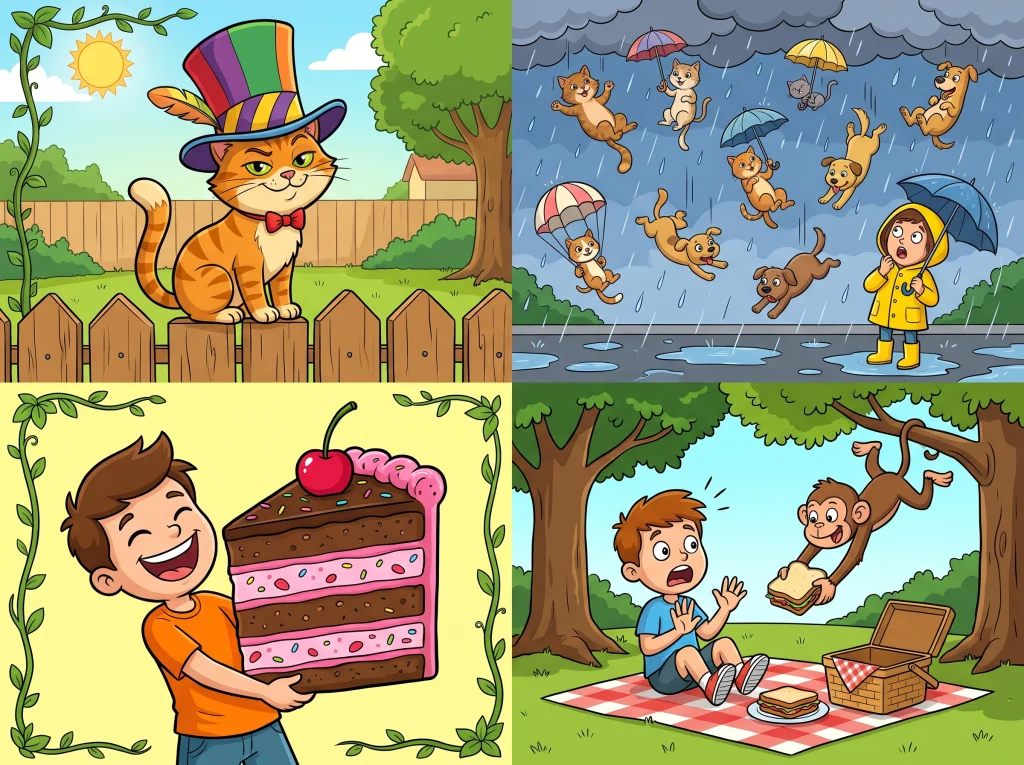
1. It’s raining cats and dogs
Meaning: It is raining very heavily.
Example: We stayed inside because it was raining cats and dogs.
Elephant in the room cartoon :: Behance
2. The elephant in the room
Meaning: An obvious problem that people avoid discussing.
Example: Nobody wanted to discuss the elephant in the room during the meeting.
Three fish walking on the beach
3. A fish out of water
Meaning: Someone who feels uncomfortable in an unfamiliar situation.
Example: I felt like a fish out of water at my first business conference.
4. Let the cat out of the bag
Meaning: To reveal a secret accidentally or unexpectedly.
Example: My brother let the cat out of the bag about the surprise party.
Growth Product Manager: Definition, Role, and Skills to Look For
5. Kill two birds with one stone
Meaning: To accomplish two things with one action.
Example: I killed two birds with one stone by exercising while walking to work.
6. Have a monkey on your back
Meaning: To have a serious problem or burden that is difficult to overcome.
Example: He has been trying to get rid of his gambling problem, which has been a monkey on his back.
12,816,700 ilustraciones de stock de Lobo y ovejas | DepositPhotos
7. A wolf in sheep’s clothing
Meaning: A dangerous or dishonest person who appears harmless.
Example: The friendly-looking salesman turned out to be a wolf in sheep’s clothing.
8. Hold your horses
Meaning: Wait and be patient.
Example: Hold your horses! We haven’t received the final results yet.

Food Idioms
Food-related expressions are common in casual conversations. Pictures of cakes, eggs, apples, and other foods make these idioms easy to recognize.
9. A piece of cake
Meaning: Something very easy to do.
Example: The math test was a piece of cake for Sarah.
What Does “Spill The Beans” Mean And How To Use It In IELTS Exams?
10. Spill the beans
Meaning: To reveal secret information.
Example: Don’t spill the beans about our vacation plans.
Understanding the Idiom “Big Cheese”: Meaning & Usage
11. The big cheese
Meaning: An important or influential person.
Example: Everyone wanted to meet the big cheese at the company event.
Hot Potato Idiom: Meaning and Usage for English Learners
12. A hot potato
Meaning: A controversial or difficult issue that people want to avoid.
Example: The proposed tax increase became a hot potato during the election.
Smiling Apple – Smiling Red Apple Cartoon Design PNG
13. The apple of someone’s eye
Meaning: A person who is loved and cherished deeply.
Example: His youngest daughter is the apple of his eye.
English idiom with picture description for dont cry over spilt milk on white background
14. Cry over spilled milk
Meaning: To be upset about something that cannot be changed.
Example: We made a mistake, but there’s no reason to cry over spilled milk.
レモンを食べる男の子のイラスト – 無料イラストのIMT 商用OK、加工OK
15. When life gives you lemons
Meaning: Make the best of difficult circumstances.
Example: When life gives you lemons, make lemonade and keep moving forward.
Nature and Weather Idioms
Nature-inspired idioms describe emotions, opportunities, uncertainty, and life changes.
「機嫌がいい」というのは最強のビジネススキル | めんたいこのブログ
16. On cloud nine
Meaning: Extremely happy.
Example: She was on cloud nine after receiving her college acceptance letter.
الطقس السحب الخلفية البرق الرموز لطيف نمط منمق-رمز مكافحة ناقلات-ناقل حر تحميل مجاني
17. A storm is brewing
Meaning: Trouble or conflict is likely to happen soon.
Example: Everyone could tell that a storm was brewing between the two managers.
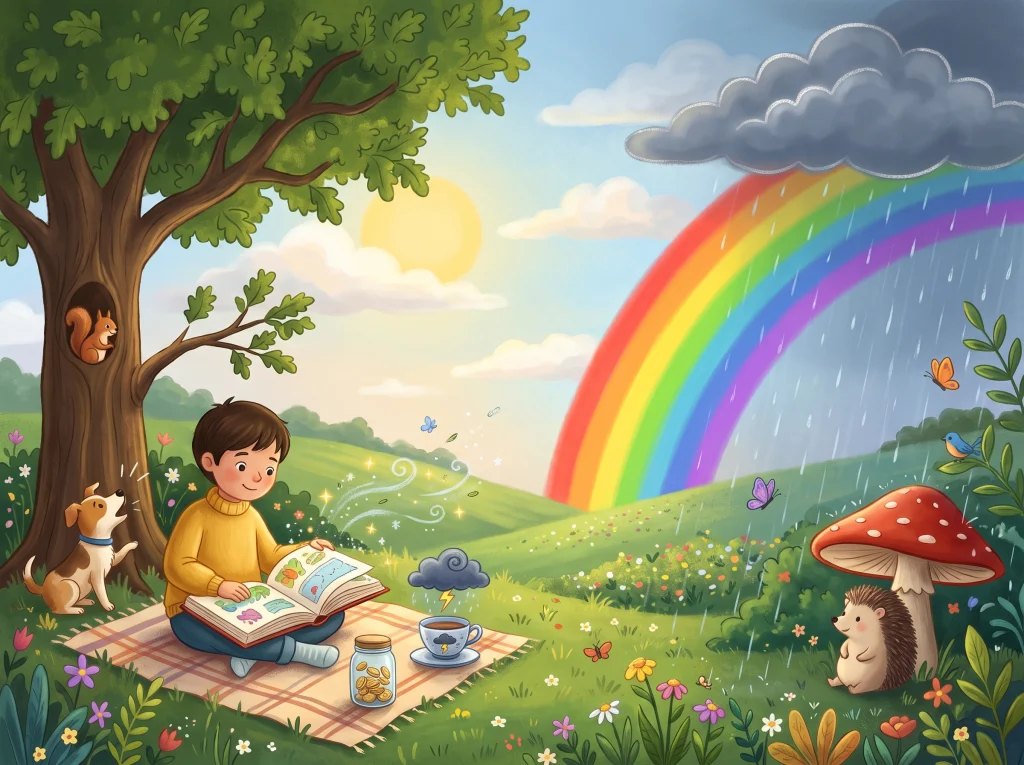
18. Every cloud has a silver lining
Meaning: Something positive can come from a difficult situation.
Example: Losing that job was disappointing, but every cloud has a silver lining because she found a better position.
20,212,007 Ilustrações de Caminhando estrada | Depositphotos
19. A fork in the road
Meaning: A point when an important decision must be made.
Example: Choosing between two careers was a fork in the road for him.
Nghị luận về ý chí, nghị lực sống của con người hay nhất
20. Over the hill
Meaning: Past one’s best years or no longer young, depending on context.
Example: He jokes that he is over the hill now that he has turned 50.
דווקא כשהחלטתי שמגיע לי קצת אושר, הגיעה הודעה מפחידה במיוחד / דנה ספקטור
21. The grass is always greener on the other side
Meaning: Other people’s situations often seem better than your own.
Example: She keeps comparing her job with others, but the grass is always greener on the other side.
Body Part Idioms
Body part idioms appear frequently in conversations about emotions, attention, honesty, and communication.
Listen to clipart 19 free Cliparts | Download images on Clipground 2026
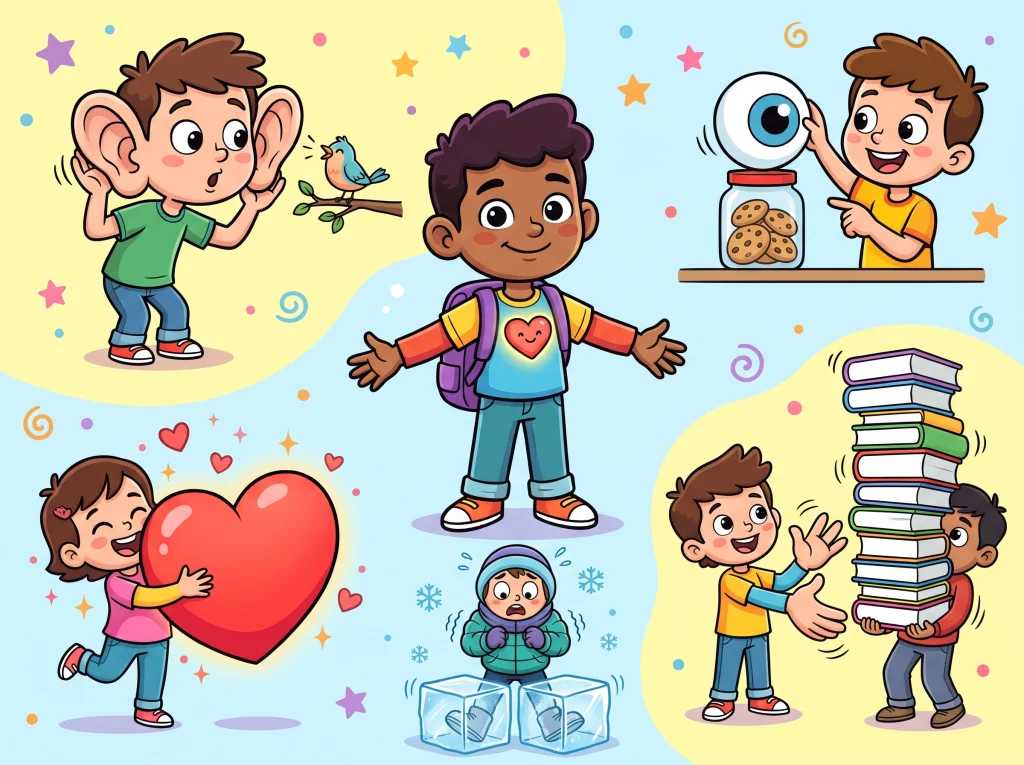
22. All ears
Meaning: Listening carefully and with interest.
Example: Tell me about your new business idea. I’m all ears.
Personaje Sorprendido Ilustraciones – Descarga Gratis en SVG, PNG
23. Keep an eye on
Meaning: Watch or monitor something carefully.
Example: Please keep an eye on my bag while I get a coffee.
A man biting his tongue – Royalty-Free Vector | VectorStock
24. Bite your tongue
Meaning: Stop yourself from saying something.
Example: I wanted to argue with him, but I decided to bite my tongue.
Helping hand. Man helps his friend to get up.
25. Give someone a hand
Meaning: Help someone with something.
Example: Can you give me a hand with these boxes?
심박수 PNG 일러스트 | 이미지 및 PSD 파일 | Pngtree에 무료 다운로드
26. Keep your finger on the pulse
Meaning: Stay informed about what is happening.
Example: Good business owners keep their fingers on the pulse of customer needs.
27. Have a foot in both camps
Meaning: Be involved with two opposing groups or sides.
Example: She has a foot in both camps because she works with both departments.
Dark skinned man in love holding a heart. Vector illustration
28. Wear your heart on your sleeve
Meaning: Show your emotions openly.
Example: My best friend wears her heart on her sleeve and never hides how she feels.
Everyday Life Idioms
These expressions are useful in conversations about work, relationships, money, decisions, and daily activities.
29. Break the ice
Meaning: Make people feel comfortable in a social situation.
Example: The teacher told a funny story to break the ice on the first day of class.
30. Hit the nail on the head
Meaning: Say or do exactly the right thing.
Example: You hit the nail on the head when you said communication was the main problem.
31. Sit on the fence
Meaning: Avoid choosing between two sides or opinions.
Example: You cannot sit on the fence forever; you need to make a decision.
How to Say It’s Too Expensive in Spanish | Complete Guide & Audio
32. Cost an arm and a leg
Meaning: Be extremely expensive.
Example: That new sports car costs an arm and a leg.
2025 New Year Work and Career Horoscope Predictions for Pisces (Meena Rasi)
33. Burn the midnight oil
Meaning: Work or study late into the night.
Example: I had to burn the midnight oil to finish my assignment.
34. Against the clock
Meaning: Working quickly because there is limited time.
Example: The team worked against the clock to finish the project.
Google Translate Accuracy and Limitations
35. Be on the same page
Meaning: Have the same understanding or agreement.
Example: Let’s discuss the plan to make sure everyone is on the same page.
36. Turn over a new leaf
Meaning: Make a fresh start and change your behavior.
Example: He decided to turn over a new leaf and start exercising regularly.
Funny Idioms That Are Easy to Picture
Some English idioms sound funny because their literal meanings create unusual mental images. These expressions are especially enjoyable for children, English learners, and classroom activities.
| Idiom | Actual meaning | Example |
|---|---|---|
| When pigs fly | Something that will probably never happen | He will clean his room when pigs fly. |
| Butter someone up | Flatter someone to gain an advantage | He buttered up his boss before asking for a raise. |
| Have a bee in your bonnet | Be unusually preoccupied with an idea | She has a bee in her bonnet about starting a business. |
| Let sleeping dogs lie | Avoid restarting an old problem | Don’t bring up that argument again. Let sleeping dogs lie. |
| Put all your eggs in one basket | Risk everything on one plan | Apply to several colleges instead of putting all your eggs in one basket. |
| Hold a candle to someone | Be as good as someone else | Nobody in the office can hold a candle to her writing skills. |
| Cat got your tongue? | Why are you unusually quiet? | You haven’t said anything. Cat got your tongue? |
| A couch potato | Someone who spends a lot of time sitting and watching television | My brother becomes a couch potato on weekends. |
| Pull someone’s leg | Joke with or tease someone | Don’t worry, I’m just pulling your leg. |
| Make a mountain out of a molehill | Make a small problem seem much bigger | You’re making a mountain out of a molehill over one spelling mistake. |
These expressions work well as illustrated vocabulary cards. A drawing of pigs flying, a person carrying eggs, or a cat sitting on someone’s tongue can make the literal wording memorable while the definition explains the actual meaning.
How to Learn English Idioms Through Pictures
Learning idioms becomes more practical when you combine visual examples with reading, speaking, and writing exercises. Instead of memorizing a long list, focus on a small group of expressions and practice using them in real situations.
Follow these steps:
1. Choose familiar idioms. Start with everyday expressions such as “a piece of cake,” “break the ice,” and “under the weather.”
2. Look at the illustration. Study the objects, people, and actions shown in the picture. Try to guess the expression before reading its meaning.
3. Understand the figurative meaning. Remember that the actual meaning may be completely different from the literal image.
4. Read an example sentence. Notice how the idiom fits naturally into a conversation.
5. Create your own sentence. Write about your school, workplace, family, or daily activities using the expression.
6. Review regularly. Use flashcards or a notebook to revisit expressions you have already learned.
Teachers can also turn this activity into a classroom guessing game. Show students an illustration without its definition and ask them to identify the idiom. Afterward, have them explain its meaning and use it in a sentence.
Visual idiom activities that combine pictures, explanations, and student-created illustrations are also used in language education resources. Apple Education Community+2
How to Use Picture Idioms in Everyday Conversations
Knowing the meaning of an idiom is only the first step. You also need to understand when and how to use it naturally.
Here are some short conversations demonstrating common expressions.
Conversation 1: Break the Ice
- Alex: Everyone seems quiet at this party.
- Emma: Let’s play a quick game to break the ice.
Conversation 2: A Piece of Cake
- Mike: How was your driving test?
- John: It was a piece of cake. I passed on my first attempt.
Conversation 3: Under the Weather
- Sarah: Are you coming to work today?
- David: No, I’m feeling a little under the weather.
Conversation 4: Spill the Beans
- Anna: Do you know what Mom is planning?
- Jack: I can’t tell you. I don’t want to spill the beans.
Conversation 5: Hit the Nail on the Head
- Lisa: I think our sales are falling because our website is difficult to use.
- Mark: You hit the nail on the head. We need to improve it.
These examples show that idioms are most effective when they fit the situation. Some expressions are appropriate in professional conversations, while others are better suited to informal discussions with friends and family.
Common Mistakes When Learning Idioms Through Pictures
Pictures can make English idioms easier to understand, but learners should avoid several common mistakes.
1. Understanding only the literal meaning
A picture of a broken piece of ice does not explain the complete meaning of “break the ice.” The expression refers to making people comfortable in a social situation.
2. Using idioms in the wrong situation
Some expressions are informal and may sound inappropriate in formal writing. Always consider the audience and setting.
3. Memorizing without practicing
Recognizing an illustration is not the same as knowing how to use an expression. Practice making original sentences.
4. Confusing similar expressions
For example, “spill the beans” means reveal a secret, while “let sleeping dogs lie” means avoid bringing up an old problem. Both involve situations people may prefer to keep quiet, but their meanings are different.
5. Ignoring grammar and sentence structure
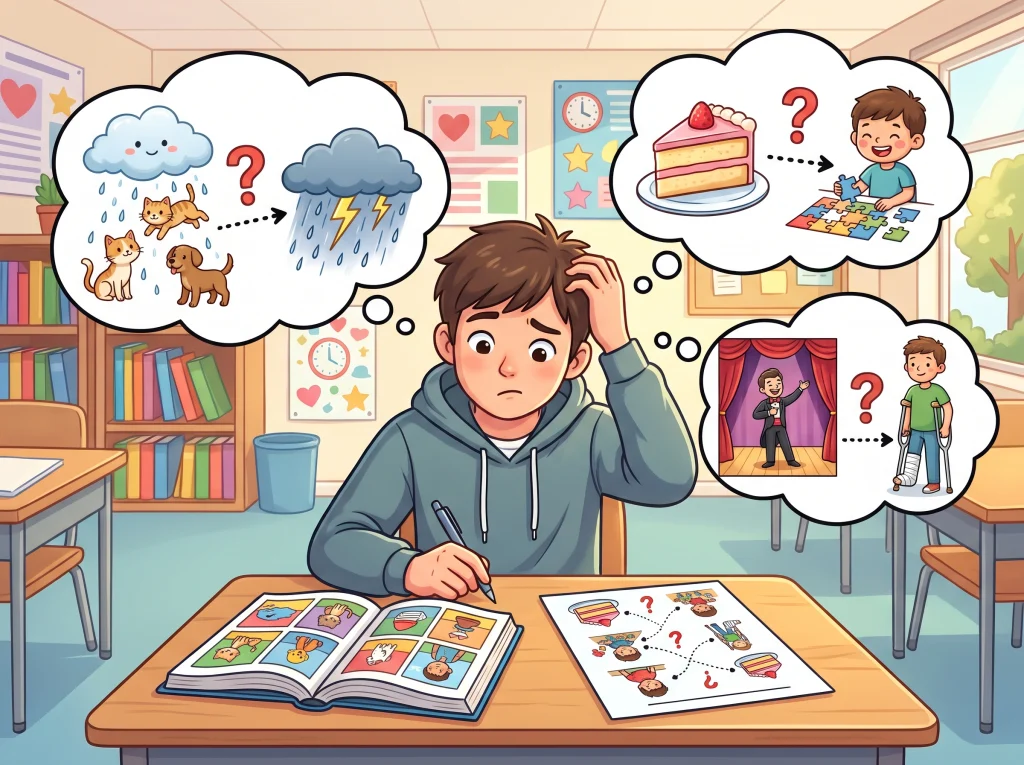
Idioms must fit naturally into sentences. For example, say “She hit the nail on the head,” not “She hit nail on head.”
The best way to avoid these mistakes is to learn every expression with its meaning, context, and at least one complete example sentence.
Frequently Asked Questions:
Conclusion
Pictures for idioms offer a practical and enjoyable way to understand common English expressions. They connect unfamiliar phrases with recognizable scenes, helping learners understand the difference between literal and figurative meanings.
From “a piece of cake” to “the elephant in the room,” illustrated idioms can make vocabulary lessons more engaging for students, teachers, and English learners. Combine pictures with definitions, example sentences, and regular speaking practice to build a stronger understanding of everyday American English.